
Navigating Door Lock Manufacturing & Architectural Hardware Supply for Indonesia
Indonesia's rapid urbanization, expanding luxury hospitality industry, and multi-billion-dollar infrastructure developments—such as the new capital city project in Nusantara (IKN)—have escalated the demand for high-grade architectural door hardware and security locking systems. For architectural specification writers, structural engineers, and commercial procurement directors serving Indonesia, sourcing door locks is not merely a matter of aesthetic selection. It requires a profound understanding of tropical metallurgy, mechanical resilience under high atmospheric humidity, and compliance with stringent international security standards.
As a leading global manufacturer and export supplier of architectural aluminum door systems and integrated multi-point door locks, our manufacturing framework directly addresses the challenges faced by Indonesian project buyers. From high-rise developments in Jakarta and Surabaya to tropical luxury resorts in Bali and Batam, our precision-engineered lock sets, mortise bodies, Euro-profile cylinders, and sliding door gears offer verified information gain and quantifiable long-term value.
1. Critical Intent Mining: What Indonesian B2B Buyers Require in Door Lock Supply
User intent analysis across Indonesian B2B architectural and construction channels reveals four primary pain points that drive procurement decisions for door locks and architectural sliding systems:
- Corrosion & Humidity Resistance (Tahan Karat & Kelembapan): With average relative humidity exceeding 80% year-round across Java, Sumatra, and Bali, door locks must resist internal spring degradation, oxidation, and salt-air pitting.
- Monsoonal Storm Watertightness (Ketahanan Air Hujan Badai): High-wind rainstorms in regional Indonesia create severe pressure differentials across door openings. Door locks must pull sliding and casement sashes tightly into EPDM weather-stripping to prevent water penetration into indoor marble flooring and interior finishes.
- Forced Entry & Physical Security (Keamanan Maksimal): High-end residential villas and commercial offices require multi-point locking points that engage simultaneously along the frame header, jamb, and sill, rendering pry-bar intrusion virtually impossible.
- Seamless Master Keying & Smart Access Integration: Modern developments demand hybrid locking compatibility—allowing emergency mechanical Euro-profile key override while supporting Bluetooth, RFID, and biometric smart lock handles.
2. Technical Deep-Dive: Multi-Point Locking Systems vs. Traditional Single Mortise Locks
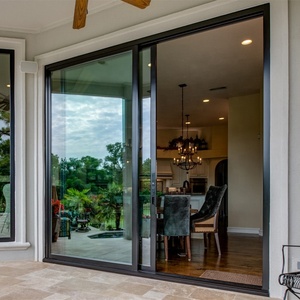
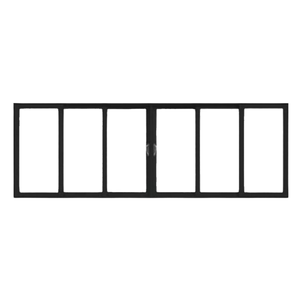
Traditional single-point mortise locks hold a door panel solely at the center strike plate. On wide or tall patio doors common in Indonesian architecture—often reaching heights of 3.0 meters or more—single-point locking allows the top and bottom corners of the door sash to bow outwards under high wind loads or thermal expansion.
Our engineered multi-point locking systems solve this structural vulnerability through synchronized gear drive rods. When the user lifts the handle or turns the key cylinder, multiple hardened steel hook bolts, roller cams, and shoot-bolts drive into heavy-duty stainless steel keep plates positioned along the full height of the frame. This delivers three core advantages:
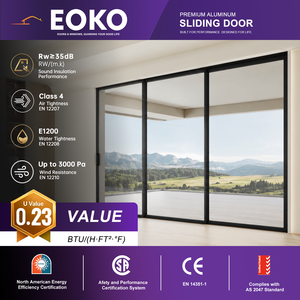
- Uniform Gasket Compression: The lock pulls the door sash evenly against the continuous weather-seal, achieving air permeability ratings of EN 1026 Class 4.
- Structural Wind Load Distribution: Wind pressure forces are transferred evenly across 4 to 6 anchor points rather than concentrating load on a single latch bolt.
- Enhanced Acoustic Insulation: By creating an airtight perimeter seal, ambient urban noise from Jakarta traffic or beachfront wind noise is reduced by up to 42 decibels.
3. Localized Application Scenarios Across the Indonesian Archipelago
A. Bali & Lombok Hospitality & Villa Sector
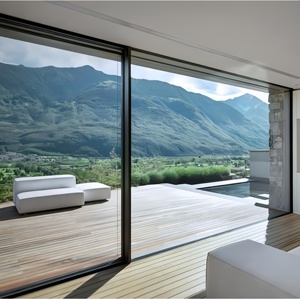
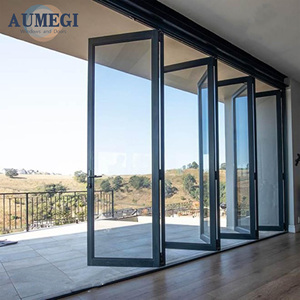
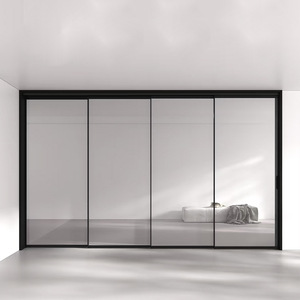
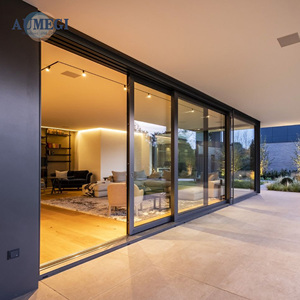
Luxury open-plan villas in Seminyak, Uluwatu, and Canggu emphasize indoor-outdoor living, requiring wide-span sliding and bi-folding glass doors. However, proximity to the Indian Ocean exposes hardware to aggressive salt spray. For these projects, we supply custom ultra-slim sliding door hook locks and lift-and-slide gear systems manufactured with electro-passivated 316 stainless steel components and marine-grade anodized handles. These lock setups maintain effortless finger-tip operation even after years of salt mist exposure.
B. Jakarta & Surabaya Commercial High-Rises & Luxury Apartments
Urban high-rises demand high-frequency mechanical durability and stringent fire safety compliance. Our commercial mortise locks and panic exit devices conform to EN 12209 Grade 7 and EN 1125 fire ratings. They are cycle-tested for over 200,000 operations without mechanical failure, making them ideal for high-traffic corporate headquarters, shopping malls, and luxury apartment towers in Sudirman (SCBD) and Puri Indah.
C. Nusantara (IKN) Smart City Infrastructure Projects
As Indonesia builds its new sustainable capital city in East Kalimantan, green building standards (GBCI certification) are paramount. Our thermal break aluminum doors equipped with low-emissivity triple glazing and airtight multi-point lock hardware directly reduce building HVAC energy loss, preventing air-conditioned interior air from escaping through unsealed door perimeters.
4. Advanced Metallurgical & Finishing Standards for Export to Indonesia
To guarantee long service life, our manufacturing facility adheres to international surface treatment standards that exceed basic commercial hardware grade:
Qualicoat Class 2 Powder Coating
Architectural door lock handles and trim plates receive architectural-grade thermosetting powder coatings with a minimum thickness of 60 to 80 microns. This finish undergoes rigorous UV weathering testing to prevent color fading or chalking under intense tropical sunlight.
Physical Vapor Deposition (PVD)
For luxury brass, gold, matte black, and satin nickel door hardware finishes, we utilize vacuum PVD deposition. PVD creates a diamond-hard surface layer that resists scratch damage, abrasion from rings/keys, and chemical cleaning agents.
5. Strategic B2B Supply Chain & Project Engineering Support for Indonesian Importers
Importing architectural systems into Indonesia involves navigating logistics, customs clearance, site installation coordination, and technical compliance. We provide comprehensive export assistance to ensure smooth project delivery:
- Drawing Quantification & CAD Review: Send us your architectural elevations and DWG door schedules. Our façade engineering team reviews lock backset requirements, glass cutout dimensions, and opening clearances within 72 hours.
- ISPM-15 Crated Wooden Packaging: Every door system and bulk lock order is packed into fumigated, moisture-sealed wooden crates with desiccant protection to prevent condensation oxidation during sea freight transit to Tanjung Priok (Jakarta), Tanjung Perak (Surabaya), or Benoa (Bali).
- Elevation-Coded Labeling: Hardware components, lock keeps, and door sashes are labeled according to project floor plans, allowing local installation teams to sequence site assembly efficiently without confusion.