Certified energy-efficient sliding doors, heavy-duty UPVC profiles, bi-fold hardware, and motorized skylights built for high-rise condos and luxury villas across Klang Valley.
Kuala Lumpur’s architectural landscape is undergoing a massive transformation driven by rapid urban high-density developments in districts like KLCC, Bangsar, Mont Kiara, and Tun Razak Exchange (TRX). With developers and main contractors pushing for Green Building Index (GBI) Malaysia certification, the technical criteria for window accessories, aluminum profiles, glazing systems, and hardware components have evolved significantly.
Sourcing directly from top-tier Chinese manufacturers provides Malaysian property developers, facade contractors, and project architects with a decisive competitive advantage: access to precision-engineered European-grade thermal break window systems, multi-point locking hardware, and minimal-frame glass assemblies at factory-direct pricing. However, navigating the cross-border supply chain requires strict adherence to local climate demands, structural wind-load standards (MS 1553), and customs compliance under the ASEAN-China Free Trade Area (ACFTA Form E).
Window accessories and aluminum fenestration systems imported for the Kuala Lumpur market must perform reliably across distinct micro-climates and architectural typologies:
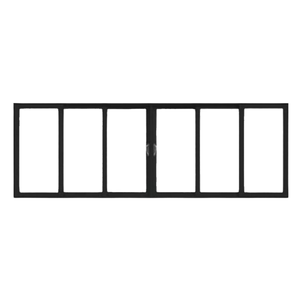
Projects in Mont Kiara, KLCC, and Bukit Bintang require slim-line sliding glass doors and heavy-duty multi-point lock handles engineered to withstand elevated wind loads exceeding 2.5 kPa at heights above 30 floors. Stainless steel SUS316 friction stays and heavy-load nylon rollers prevent sashes from rattling during afternoon thunderstorm downpours.
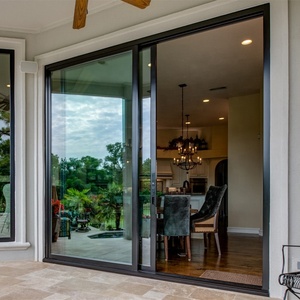
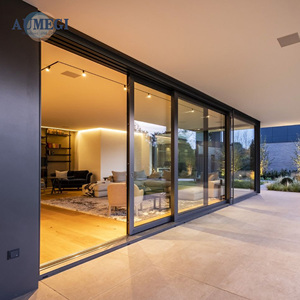
Luxury residential properties in Damansara Heights, Kenny Hills, and Desa ParkCity prioritize seamless indoor-outdoor living. Thermal break lift-and-slide door systems with flush tracks allow effortless operation for large glass panels while preventing water ingress during tropical flash floods.
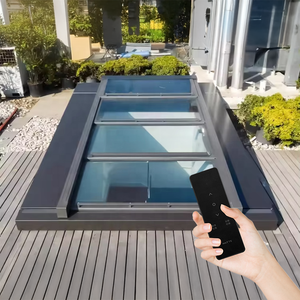
Curtain walls, integrated transom windows, and motorized roof skylights for retail podiums demand heavy-duty actuators, EPDM weatherboard gaskets, and Qualicoat-certified powder-coated handles resistant to long-term UV degradation and salt-spray oxidation.
Understanding user intent and market direction in Kuala Lumpur requires examining four dominant architectural trends:
While Malaysia does not experience cold winters, radiant heat gain through building envelopes accounts for over 40% of building cooling energy consumption in Kuala Lumpur. Developers are increasingly specifying polyamide thermal break profiles (PA66GF25) equipped with Low-E double or triple glazing. This significantly reduces internal air conditioning loads and satisfies GBI solar heat gain criteria.
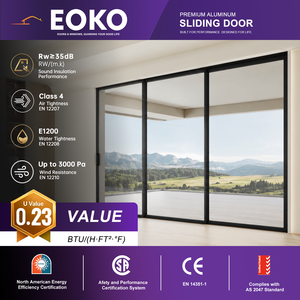
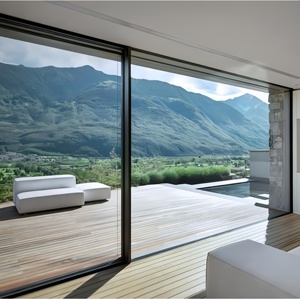
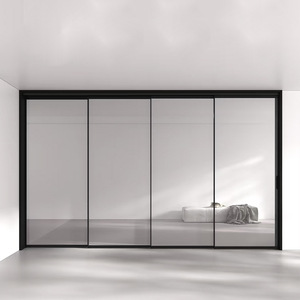
Modern luxury developments favour minimal-frame sliding doors with interlock sightlines as narrow as 20mm. High-end hardware kits—featuring hidden rollers, recessed mortise locks, and integrated concealed drainage channels—are essential for meeting high visual standards without sacrificing structural integrity.
Standard architectural paint degrades rapidly under KL's UV index (often reaching levels 11+). Top Chinese exporters supplying the Malaysian market utilize Qualicoat Class 2 / PVDF fluorocarbon coatings and anodized finishes (minimum 15-25 microns) to prevent chalking, fading, and localized corrosion caused by high ambient humidity (averaging 80% year-round).
To assist facade consultants and purchasing managers in evaluating fenestration options, the following comparison matrix details typical technical parameters for systems exported to Malaysia:
| System Category | Profile Depth | Thermal / Solar Performance | Water Tightness (EN 1027) | Wind Load Resistance | Hardware Specification |
|---|---|---|---|---|---|
| Thermal Break Lift-and-Slide | 120mm - 160mm | Uw 1.2 - 1.6 W/m²K | SHGC < 0.30 | Class E900 (900 Pa) | Class C5 (≥ 2.5 kPa) | Heavy-Duty ROTO / CMECH 400kg Rollers |
| Minimalist Slim Sliding Door | 60mm - 90mm (20mm sightline) | Uw 1.4 - 1.8 W/m²K | SHGC < 0.35 | Class 7A (300 Pa) | Class C3 (1.5 kPa) | Concealed Stainless Steel Track & Latch |
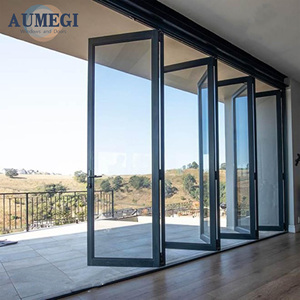
| Heavy-Duty Aluminium Bi-Fold Door | 75mm - 80mm | Uw 1.5 - 1.9 W/m²K | SHGC < 0.38 | Class 9A (600 Pa) | Class C4 (2.0 kPa) | Top-Hung Quad Rollers & Stainless Hinge Set |
| UPVC Multi-Point Tilt & Turn Window | 70mm - 88mm | Uw 1.0 - 1.4 W/m²K | Acoustic 42dB | Class E750 (750 Pa) | Class C4 (2.0 kPa) | ROTO NX / Siegenia Multi-Point Locking |
| Motorized Electric Skylight Hatch | 100mm Insulated Frame | Uw 1.1 - 1.4 W/m²K | Double Toughened | Class E1050 (1050 Pa) | Class C5 (≥ 2.5 kPa) | Linear Chain Actuator + Smart Rain Sensor |
Building a successful import partnership requires balancing product performance, manufacturing scale, and end-to-end supply chain reliability. Top export-oriented factories in China provide clear strategic advantages:
Every profile system and hardware accessory is manufactured in accordance with ISO 9001 quality management systems and independently tested to European standards (EN 1026 for air permeability, EN 1027 for watertightness, and EN 12211 for wind load resistance).
In-house technical teams review architectural elevations and window schedules to return customized shop drawings, profile section details, wind-load calculations, and precise Bill of Quantities (BOQ) within 72 hours.
Complete export documentation—including Form E preferential tariff origin certificates, detailed packing lists, HS code declarations, and fumigated ISPM-15 wooden crating—ensures smooth clearing at Port Klang (Northport/Westport).
Key information for Malaysian buyers, developers, and facade contractors importing window accessories and aluminum door systems from China.
Access direct manufacturer pricing, comprehensive CAD technical proposals, and complete export shipping to Port Klang. Request our detailed architectural hardware & window system catalog today.
