Direct factory supply to South Korean contractors, architects, and developers. Tested to EN, NFRC, and KS structural standards.
An authoritative breakdown of structural glass performance, PVB vs. SGP interlayers, U-value compliance under South Korea's strict Energy Saving Design Standards, and seismic building codes.
In high-density coastal urban centers such as Busan (Haeundae district) and Incheon Songdo, typhoon-driven wind pressures exceeding 4.0 kPa demand structural glass that retains stiffness post-breakage. Standard Polyvinyl Butyral (PVB) interlayers, while sufficient for low-rise interior partitions, soften under solar thermal load. Our advanced SentryGlas® (SGP) ionoplast interlayers provide 5 times the tear strength and 100 times the rigidity of conventional PVB. Even if both glass panes fracture under extreme debris impact, the SGP panel remains upright in the aluminum structural channel, preventing envelope breaching and water ingress during severe seasonal typhoons.
South Korea’s Ministry of Land, Infrastructure and Transport (MOLIT) enforces rigorous annual updates to thermal performance regulations for commercial and residential envelopes. The mandatory overall heat transfer coefficient (K-value / U-value) for central regional zones (Seoul, Gyeonggi-do) requires window assemblies to achieve values below 1.2 W/m²K to 0.9 W/m²K. By combining double-pass off-line Low-E glass (such as Jinjing/CSG low-reflectivity coatings) with 24mm multi-cavity Technoform polyamide thermal breaks and warm-edge TGI spacers, our factory delivers complete architectural fenestration packages certified for South Korea Zero-Energy Building (ZEB) standards.
Benchmarking glass configurations manufactured at our Shandong & Guangdong production facilities for South Korean export.
| Glazing Build-Up Specification | U-Value (W/m²K) | Visible Light (VLT %) | Acoustic Rating (STC) | Primary Application Scenario |
|---|---|---|---|---|
| 6mm Low-E + 12Ar + 6mm Clear + 1.52SGP + 6mm Clear | 1.35 W/m²K | 68% | 42 dB | Seoul High-Rise Commercial Curtain Walls |
| 8mm Low-E + 16Ar + 8mm Clear + 2.28PVB + 8mm Clear (Triple) | 0.92 W/m²K | 58% | 46 dB | Gangwon Cold Alpine Luxury Resorts |
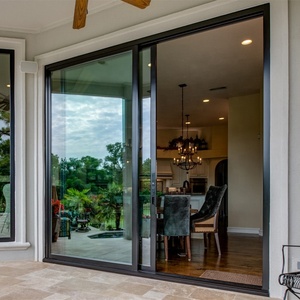
| 10mm Low-E + 15Ar + 10mm Extra Clear SGP Laminated | 1.10 W/m²K | 71% | 44 dB | Jeju Island Coastal Villa Sliding Doors |
| 12mm Toughened + 1.52PVB + 12mm Toughened Structural Glass | 2.40 W/m²K | 82% | 40 dB | Subway Canopy & Glass Fin Spider Facades |
Custom glass and frame customization tailored to South Korea's microclimates, geological requirements, and regional building aesthetics.
.webp)
Urban density in Gangnam and Yeouido requires elevated sound dampening against high-frequency traffic noise alongside high solar heat gain rejection (SHGC < 0.30). Our laminated double Low-E curtain wall units filter infrared radiation while insulating against urban noise up to 45 dB, complying fully with Seoul Green Building Directives.
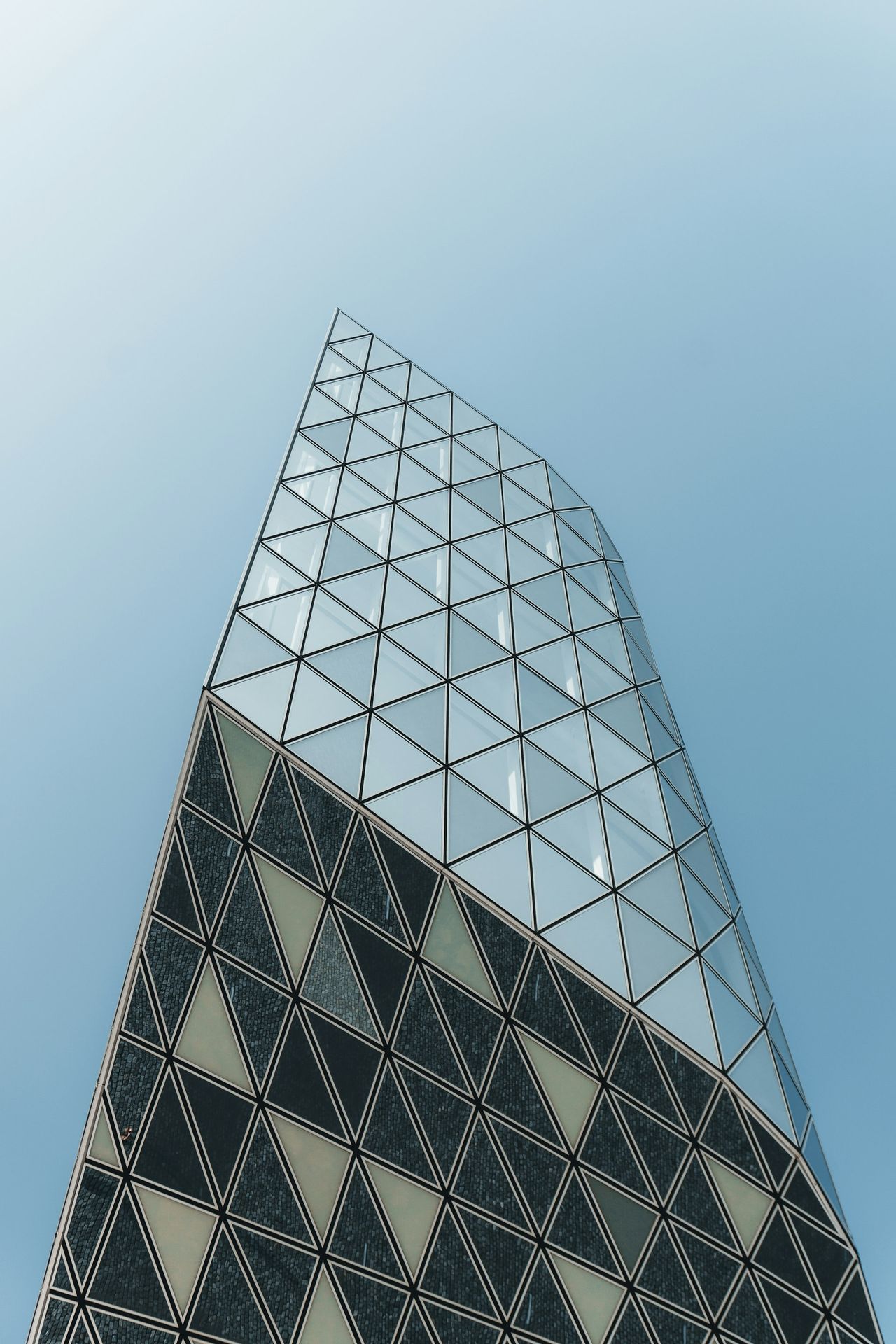
Developments facing the East Sea and Korea Strait demand marine-grade anodized aluminum profiles (25-micron thickness) and SGP laminated glass engineered to withstand severe salt spray corrosion and dynamic wind loads up to 4,500 Pascals (KS F 2296 compliant).
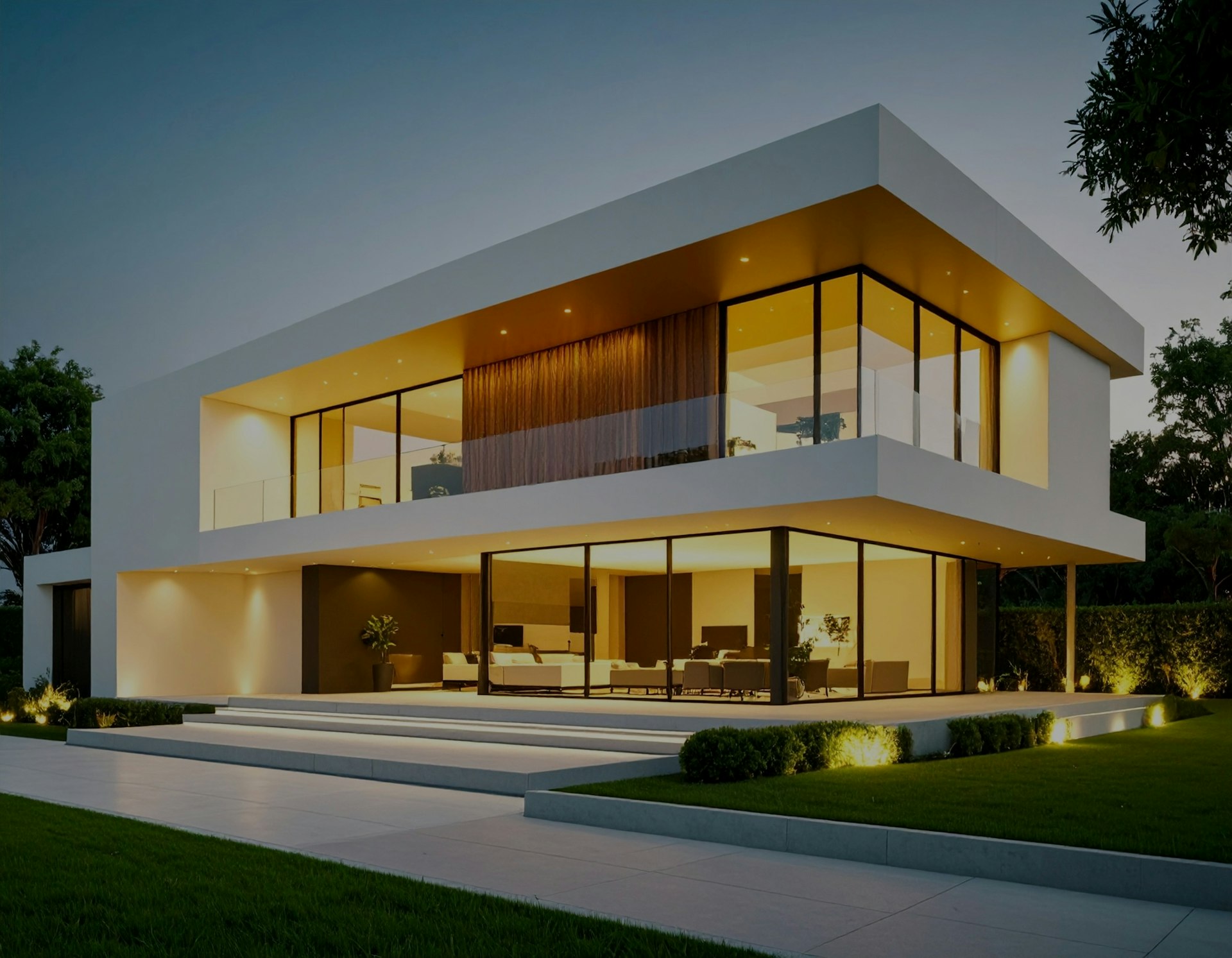
Extreme winter temperature drops in Pyeongchang and Gangneung cause condensation and severe heat loss. Our triple-glazed argon-filled thermal break lift-and-slide doors feature 34mm polyamide insulation zones, preventing frame frosting and maintaining internal surface temperatures above 16°C during sub-zero winters.
Understanding why Korean general contractors, facade fabricators, and trading firms choose factory-direct sourcing from premier Chinese glass manufacturers.
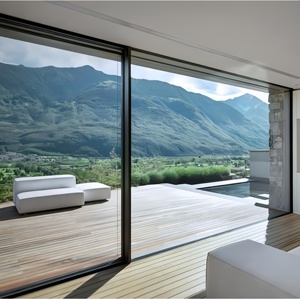
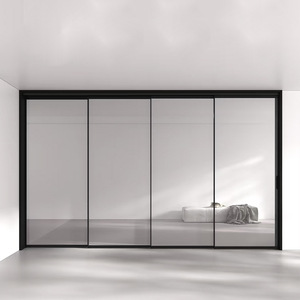
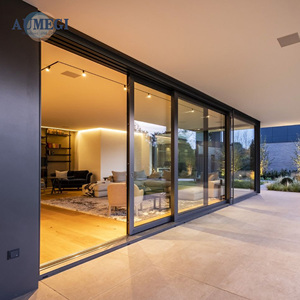
Architects in Seoul are increasingly specifying ultra-slim motorized sliding doors with visible profile frames as narrow as 20mm. These minimalist systems maximize panoramic views while concealing structural weight-bearing tracks within floor recesses.
Under the China-Korea Free Trade Agreement, certified architectural glass products accompanied by Form F Certificate of Origin enter South Korean ports (Incheon, Busan, Pyeongtaek) with preferential zero-tariff or reduced duty status, significantly lowering total land costs.
Korean facade engineering companies demand seamless integration. Our technical engineering division provides shop drawings in native DWG formats, complete with FEA wind-load calculation modeling, matching localized building CAD layers.
Shipping from Chinese northern ports (Qingdao, Weihai) to South Korean ports takes only 24 to 48 hours in maritime transit. This enables rapid lead times for custom tempered laminated glass orders unmatched by European manufacturers.
From raw float glass selection to CNC precise edge polishing, autoclave processing, and steel-braced export crating.
Our manufacturing center operates automated Finnish Tamglass convection tempering lines and Class 100 dust-free lamination cleanrooms. Humidity and temperature are computer-monitored 24/7 to guarantee zero dust inclusions, zero delamination risk, and optical clarity free from roller wave distortion.




Addressing key technical, customs, shipping, and quality assurance questions for Korean procurement officers.
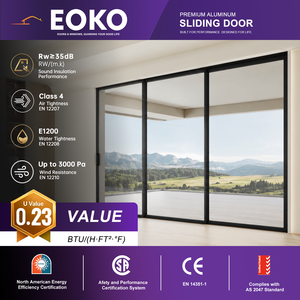
Our laminated glass and thermal break window systems undergo third-party laboratory testing equivalent to Korean Industrial Standards (KS). We supply comprehensive factory test reports covering impact resistance (KS L 2004), air tightness (KS F 2292 Class 4), water tightness (KS F 2293), and wind load pressure (KS F 2296). Furthermore, all exports are manufactured under ISO9001 quality management with full traceability.
Once manufacturing and quality inspection are completed, sea freight transit from our nearest port (Qingdao/Shanghai) to Incheon Port takes approximately 24-36 hours, and to Busan Port takes 48 hours. Total lead time from shop drawing confirmation to port delivery in South Korea typically ranges between 20 to 30 calendar days depending on glass complexity (e.g., SGP lamination or custom Low-E coating cycles).
Yes. Our factory operates heavy-duty autoclaves and tempering furnaces capable of producing jumbo laminated glass panels up to 3,300mm x 12,000mm in single dimensions. These panels can be configured with SentryGlas® interlayers and integrated into minimalist slim sliding frame systems for unobstructed architectural sea views.
Every glass unit is corner-protected with shock-absorbing rubber caps and separated by anti-fungal cork pads. Panels are bundled into ISPM-15 compliant fumigated heavy-duty wooden crates or steel A-frames lined with waterproof plastic foil and industrial desiccant bags. Crates are custom-built to fit standard 20GP or 40HQ container dimensions, securely strapped with steel tension bands.
We provide a complete export documentation dossier, including Form F (China-Korea FTA Certificate of Origin), commercial invoice with exact HS code classifications (such as HS 7007.29 for laminated safety glass), packing lists matching elevation marks, mill test certificates for aluminum profiles (6063-T5), and CE/ISO declaration certificates.
Yes. Our in-house facade engineering department reviews your architectural PDF/CAD drawings and generates detailed shop drawings, profile section details, glass stress analysis, and drainage installation diagrams. We also provide step-by-step video guidance and remote engineering support for local Korean installation teams.
Send us your project drawings or window schedule today. Our engineering team will deliver a comprehensive technical proposal, U-value calculation, and competitive factory quotation within 24 hours.
Get Catalog