Navigating the complex demands of Tokyo's urban microclimate requires solar shading architectures engineered for extreme typhoon wind resistance, strict Japanese Building Standard Law (BSL) compliance, and high seismic resilience. As leading export manufacturers and specialized façade engineering partners, we deliver custom thermal break aluminum sunshades, motorized bioclimatic louvers, and integrated curtain wall shading solutions tailored specifically for commercial developers, luxury villa architects, and general contractors operating throughout Greater Tokyo.
Explore our factory-engineered solar control profiles, thermal sliding systems, and bioclimatic structural units compliant with international and JIS performance standards.
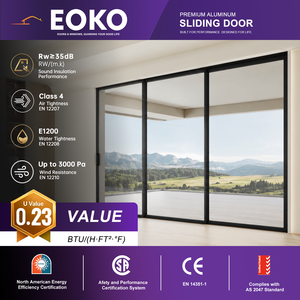
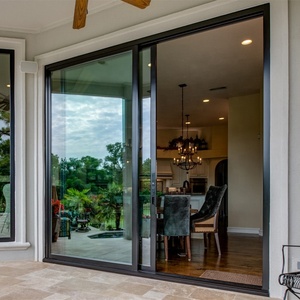
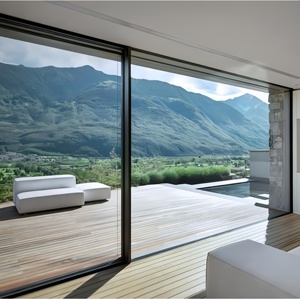
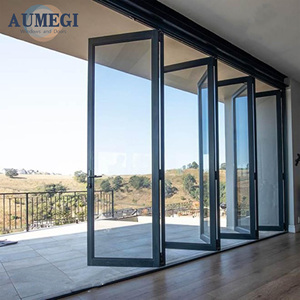
Tokyo represents one of the most demanding built environments in the world. The city experiences dense urban heat islands (UHI), intense summer solar radiation, severe seasonal rainstorms (Baiu), and extreme typhoon events originating in the Pacific Ocean. Furthermore, the constant seismic threat requires architectural envelopes, external solar shading blades, and bioclimatic pergolas to possess structural flexibility without sacrificing airtightness or structural integrity.
When sourcing from sunshade systems factories and suppliers in Tokyo, international developers and local architects must evaluate products beyond standard aesthetics. Primary consideration must be given to Solar Heat Gain Coefficient (SHGC) optimization, frame structural moment of inertia, and chemical resistance against coastal saltwater corrosion across Tokyo Bay (such as in Odaiba, Shinagawa, and Toyosu districts).
Thermal dynamics prove that once solar radiation passes through architectural glass, it converts into long-wave thermal energy trapped inside the envelope (the greenhouse effect). Interior blinds only reflect a fraction of this heat, forcing air conditioning systems to run at maximum load during Tokyo's humid summer months from June to September.
By installing external architectural aluminum aerofoil louvers or bioclimatic motorized sunshades manufactured with 6063-T6 extruded aluminum profiles, solar heat gain is intercepted before reaching the building skin. This reduces interior temperatures by up to 10°C and lowers HVAC power usage by 30–40%, contributing directly to CASBEE Tokyo sustainable building certifications and ZEH/ZEB (Net Zero Energy Housing) standards.
.webp)
Different neighborhoods and architectural typology in Tokyo present unique engineering challenges. Our factory supply network delivers specialized sunshade solutions configured for specific local deployment scenarios:
The table below provides technical benchmark data for selecting the optimal sunshade and thermal window envelope system based on Tokyo engineering requirements:
| System Category | Profile Specification | Wind Load Resistance | Solar Heat Reduction (SHGC) | Key Local Advantage |
|---|---|---|---|---|
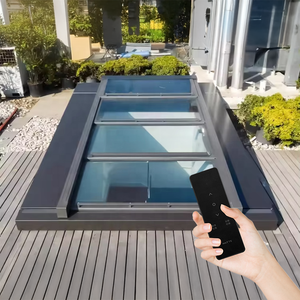
| Bioclimatic Louvre Pergola | Extruded Aluminum 6063-T6 (2.5mm thickness) | Up to 180 km/h (Class 3 Typhoon) | 85% Solar Radiation Shielding | Watertight Drainage Ideal for Tokyo rooftop gardens |
| Aerofoil Solar Sunblades | 150mm - 450mm Elliptical Blades | 3.0 kPa - 4.5 kPa Pressure Rated | 75% Direct Heat Gain Cut | CASBEE Compliant Structural commercial facade protection |
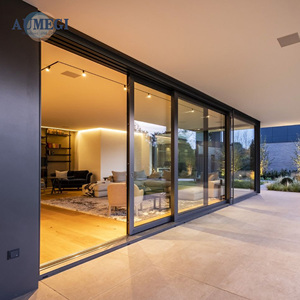
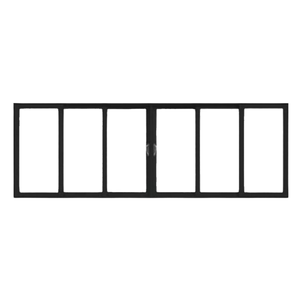
| Triple Glazed Lift & Slide | Polyamide Thermal Break (Uw 0.9 W/m²K) | JIS A 4702 Grade S-6 | Low-E Spectrally Selective Coating | Acoustic Soundproof Block Tokyo street noise up to 42dB |
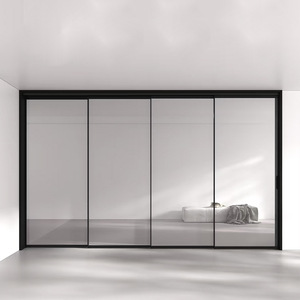
| Slim Minimalist Sliding Partition | 20mm Visible Sightline Profile | 1.8 kPa Structural Integrity | Double Low-E Glazing Compatible | Space Saving Maximizes interior footprint in dense flats |
Factory-direct engineering precision, strict quality control, and end-to-end export documentation designed for the Japanese construction supply chain.
Every aluminum extrusion, thermal break strip, and powder-coated profile undergoes 100% factory inspection for coating thickness (Qualicoat standard ≥ 60µm) and dimensional tolerances compliant with JIS A 4702.
To withstand the harsh marine salt spray around Tokyo Bay, our sunshade profiles are treated with AkzoNobel or PPG PVDF fluorocarbon coatings, offering a 25-year warranty against fading, chalking, and corrosion.
Our in-house structural engineering team reviews architectural DWG/BIM drawings to perform wind load calculations, solar angle simulations, and anchor detail design prior to profile extrusion and CNC fabrication.
Export packaging utilizes ISPM-15 compliant fumigated wooden crates with internal shock-absorbing framing. Each panel is tagged with elevation IDs for site-level floor-by-floor installation sequencing in Tokyo.
Seamless international shipping logistics on FOB, CFR, or CIF terms. Consolidated container shipping allows mixed loads of windows, sunshades, and hardware to minimize landing shipping costs.
Automated sunshade motors can be integrated with Japanese standard ECHONET Lite building control protocols and international Somfy RTS systems for responsive climate automation.
Take a look at our advanced production facilities, high-rise architectural facade projects, and precision hardware assembly line.
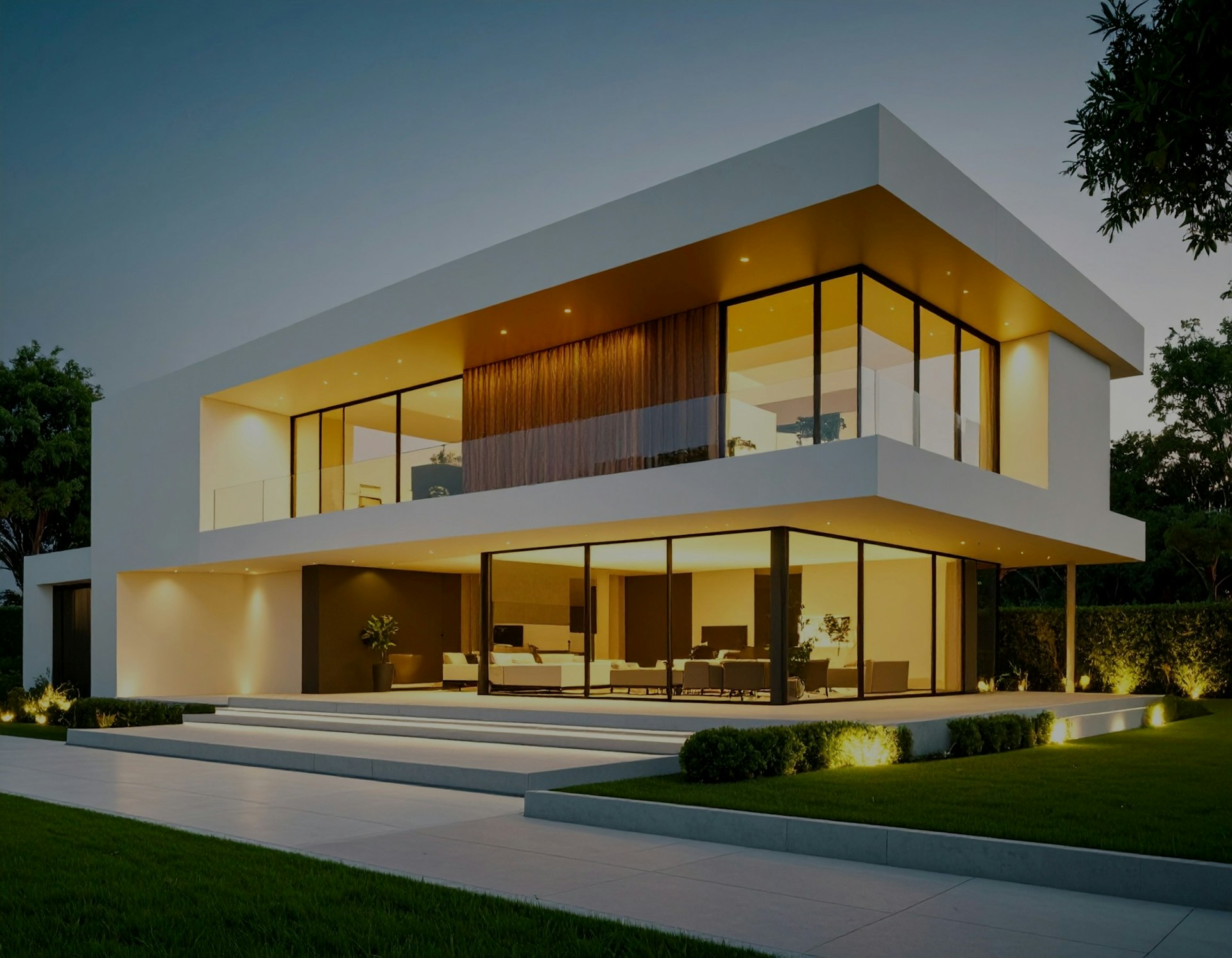
Custom thermal break sliding glass walls with exterior motorized louvers installed on modern villa projects.
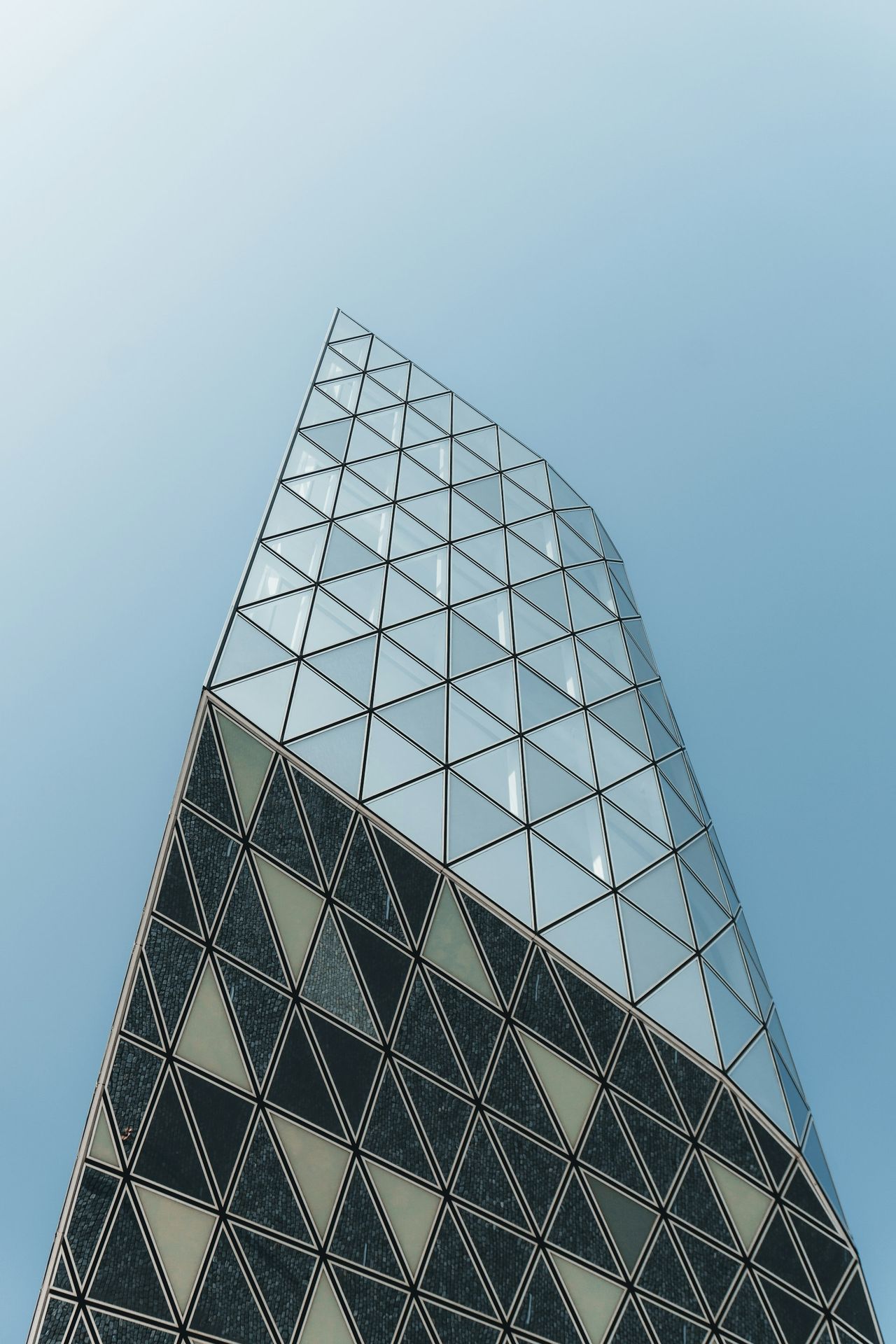
Unitized aluminum curtain wall facade equipped with vertical solar shading blades for urban commercial towers.
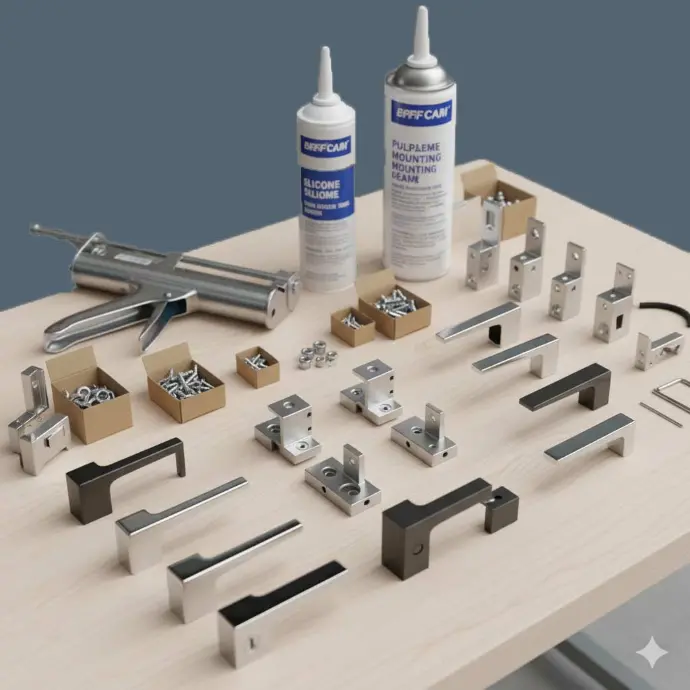
Cycle-tested stainless steel rollers, concealed hinges, and IP67 weather-sealed actuator motors.
The Tokyo Metropolitan Government (TMG) has established aggressive carbon-reduction mandates requiring new commercial developments to drastically reduce operational energy consumption. Exterior dynamic sunshades are now considered an indispensable architectural element to reach ZEB Ready and ZEB Oriented benchmarks under Japanese building energy standards.
A rapidly growing trend among Tokyo forward-thinking developers is the specification of solar-generating louver blades. By embedding thin-film photovoltaic cells into adjustable exterior aerofoil sunblades, the building envelope not only blocks thermal radiation but simultaneously generates clean electricity for communal building grid systems.
In traditional sunshade installation, rigid anchor connections can fail during major tremors due to differential story drift. Next-generation factory suppliers in Tokyo now utilize multi-axis flexible mounting brackets that absorb seismic displacement without causing structural micro-cracks in the primary curtain wall profile.
Find clear technical answers regarding local compliance, ocean freight, custom extrusion capabilities, and structural testing.
Send us your architectural elevations, window schedules, or preliminary DWG drawings. Our facade engineering team will return a comprehensive technical proposal, U-value calculation, and bill of quantities within 72 hours.
