Technical Whitepaper
Engineering Sunshade Systems for the UAE Microclimate: Thermal Dynamics, Material Science & Structural Integrity
Operating as an architectural sunshade system factory and export supplier for the United Arab Emirates (UAE) market requires a rigorous understanding of the Arabian Gulf's harsh microclimate. The region presents extreme operational challenges: ambient summer temperatures regularly exceed 50°C, direct surface temperatures on exposed aluminum profiles reach over 75°C, solar irradiance peaks above 1,000 W/m², and ambient airborne dust contains highly abrasive fine quartz particles. Furthermore, coastal zones like Dubai Marina, Palm Jumeirah, and Abu Dhabi’s Corniche subject building envelopes to C5-M high-saline atmospheric corrosion.
1. Thermal Transmittance Mitigation & Polyamide Thermal Break Technology
Uninsulated aluminum profiles act as severe thermal bridges, transferring radiant thermal energy directly into building interiors and placing immense strain on HVAC cooling systems. To meet the stringent requirements of the Dubai Building Code (DBC 2021) and Abu Dhabi's Estidama Pearl Building Rating System (PBRS), high-performance fenestration and sunshading systems must incorporate advanced polyamide thermal breaks.
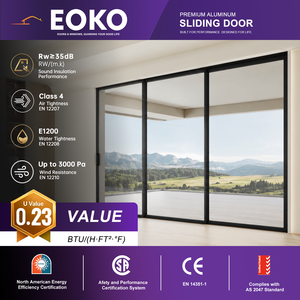
Our system factories utilize multi-chambered Polyamide PA66 GF25 (25% glass-fiber reinforced) thermal insulation bars. By creating a continuous thermal barrier between the exterior and interior extruded aluminum sections, thermal transmittance ($U_f$) is drastically reduced. When combined with spectrally selective double or triple Low-E argon-filled glazing units, overall window values achieve a remarkable U_w ≤ 1.1 W/m²K, reducing solar heat gain coefficients (SHGC) to below 0.20 and cutting HVAC cooling energy expenditure by up to 35%.
2. Structural Wind Resistance & Sandstorm Sealing Engineering
High-rise structures in Dubai and coastal estates in Ras Al Khaimah face elevated wind load pressures during seasonal *Shamal* winds and localized sandstorms. Structural integrity is verified under ASTM E330 and EN 12211 standard testing protocols, proving resistance against positive and negative wind pressures up to 3,000 Pascals (Pa).
- Multi-Point Lock Mechanisms: Utilizing European-standard stainless steel hardware (including ROTO and STAC gearboxes) with perimeter locking pins to prevent frame deflections under high gust pressure.
- EPDM Double & Triple Gasket Arrays: Vulcanized EPDM seals maintain elasticity in high-temperature environments, preventing dust ingress, air infiltration (EN 1026 Class 4), and water penetration (EN 1027 Class 9A) during heavy seasonal downpours.
- Deflection Tolerances: Heavy-gauge 6063-T6 structural aluminum extrusion walls (1.8mm to 3.0mm thickness) engineered to limit structural deflection to under L/175 or L/250 under full load capacity.
3. Surface Coatings & Qualicoat Seaside Corrosion Protection
Standard powder coatings quickly degrade, chalk, and discolor under intense GCC ultraviolet (UV) radiation and salt spray environments. To ensure a 25-to-30-year architectural service life, all extruded aluminum profiles destined for UAE projects undergo multi-stage pre-treatment and electrostatic application of Qualicoat Class 2 or Class 3 Fluoropolymer (PVDF) powder coatings. This formulation maintains color fastness and gloss retention even under relentless UV exposure and airborne salinity.
Industry Intelligence
UAE Architectural Trends & Regulatory Green Building Standards
Driven by national sustainability initiatives such as UAE Net Zero 2050 and the expansion of smart urban masterplans, the fenestration and sunshade procurement market across the Emirates is undergoing a structural shift. Buying decisions are no longer dictated purely by upfront material costs, but by total lifecycle performance, energy rating compliance, and technical adaptability.
Key Market Dynamics Shaping UAE Procurement:
- Mandatory Green Building Ratings: Properties built in Dubai must align with Al Sa'fat (Dubai Green Building System), while Abu Dhabi construction requires strict adherence to Estidama Pearl Ratings (1 to 4 Pearls). Fenestration suppliers must present third-party certified $U_w$ and SHGC laboratory test values to pass municipal inspections.
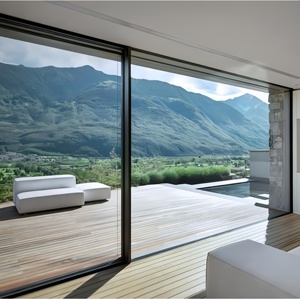
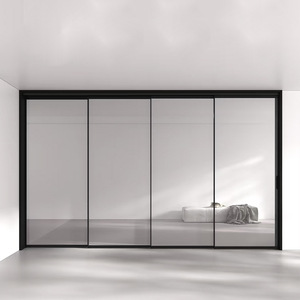
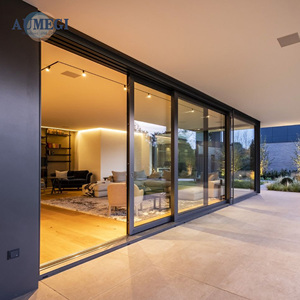
- Ultra-Narrow Sightlines with Extreme Load Capacity: Contemporary modern villa aesthetics demand floor-to-ceiling glass expanses exceeding 3.5 meters in height. Systems must combine hidden frame profiles with heavy-duty stainless steel carriage rollers rated for panel weights of up to 400 kg.
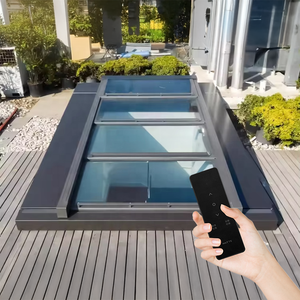
- Integration of Smart Automated Shading & Skylights: Automated motorized roof access hatches and motorized pergola sunshades are increasingly linked with centralized Building Management Systems (BMS) and home automation systems (KNX/Zigbee) to dynamically react to solar angles and ambient wind conditions.
- Supply Chain Verification & Turkish Manufacturing Synergy: B2B buyers, contractors, and real estate developers in the UAE are seeking supply chain partners outside traditional high-cost European origins or unverified low-tier suppliers. Turkish extrusion factories represent the ideal sweet spot—offering European CE-standard certified engineering, German hardware compatibility (ROTO, Siegenia), and highly competitive production lead times shipped directly to Jebel Ali Port.