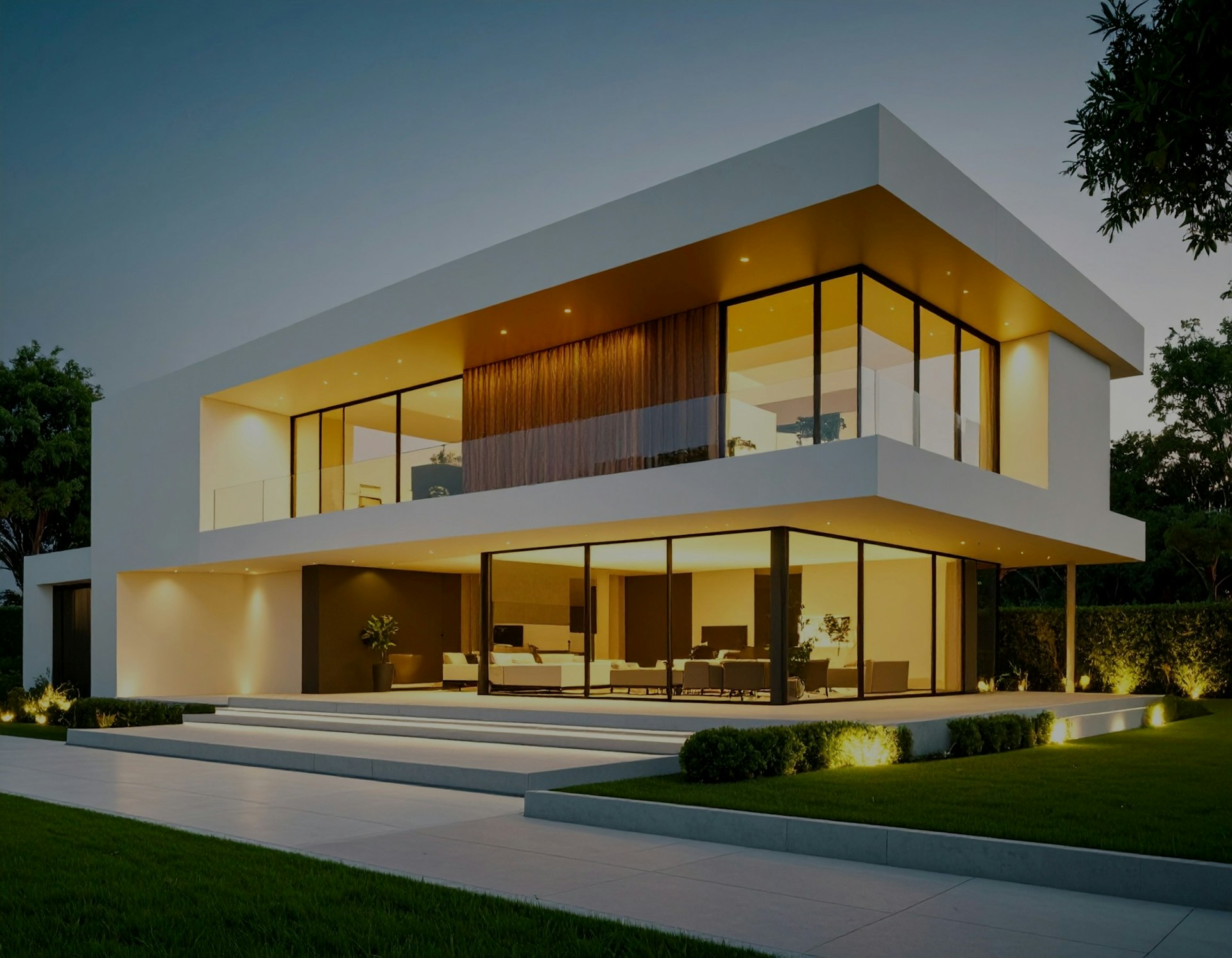
EOKO NFRC Lift-and-Slide Glass Door System
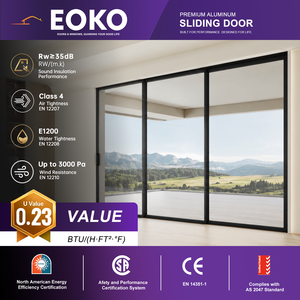
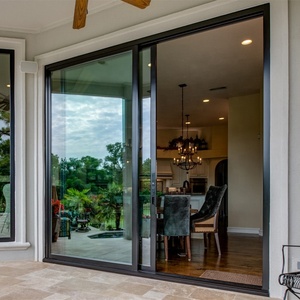
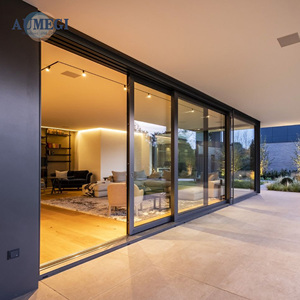
Triple-glazed Low-E thermal break lift-and-slide doors designed for luxury villas in New Cairo and North Coast resort enclosures.
Factory-direct engineered glass structures, thermal-break sliding doors, and automated roof systems tested to EN European Standards and fully compliant with Egyptian customs ACID clearance.
Triple-glazed Low-E thermal break lift-and-slide doors designed for luxury villas in New Cairo and North Coast resort enclosures.
German ROTO multi-point locking mechanism paired with reinforced profiles for superior wind-load resistance during Khamaseen sandstorms.
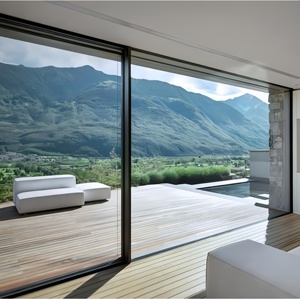
Customized double-glazed aluminum sliding wall system ideal for integrating indoor lounge spaces with outdoor swimming pools.
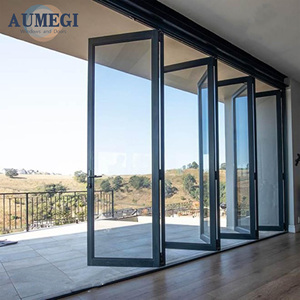
Australian-style vertical & horizontal folding glass door system providing 95% unobstructed open-air access for sunroom sides.
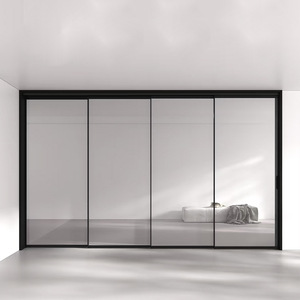
Ultra-slim sightline polymer/aluminum frame sliding panels for interior partitions and luxury villa garden conservatories.
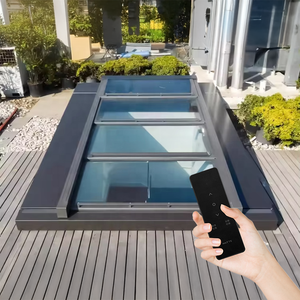
Automated motorized sliding skylight and penthouse access hatch featuring rain sensors and solar reflective argon glass.
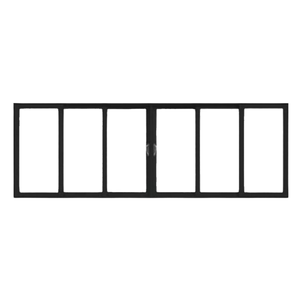
Heavy-gauge aluminum multi-rail partition designed for restaurant outdoor seating, hotel verandas, and expansive villa backyards.
High-strength 6063-T6 aluminum alloy structure with integrated thermal breaks for all-weather sunrooms and garden conservatories.
A definitive guide for developers, architects, and engineering consultants specifying glass enclosures, winter gardens, and thermal aluminum structures in Egypt.
Designing glass sunrooms and winter gardens in Egypt requires a fundamentally different engineering strategy than European or North American specifications. With Cairo receiving over 3,200 hours of bright sunshine annually and Global Horizontal Irradiance (GHI) exceeding 2,200 kWh/m², uninsulated glass structures quickly succumb to the "greenhouse effect," pushing indoor summer temperatures past 55°C.
As a specialized manufacturer, ALUCCO (GOMAX Ltd.) addresses this thermal barrier through multi-chambered thermal break extruded profiles combined with spectrally selective Low-E argon-filled double and triple glazing units. By decoupling outer aluminum extrusions from interior frames using 24mm to 34mm polyamide (PA66 GF25) thermal strips, heat conduction is drastically reduced, enabling 365-day year-round climate control.
Egypt’s springtime Khamaseen winds bring heavy dust particles and wind gusts reaching 80 km/h. Our systems feature co-extruded continuous EPDM triple-gasket perimeter seals, achieving zero micro-particle infiltration under test standard EN 1026 Class 4.
For coastal deployments in the Mediterranean North Coast (Sahel) and the Red Sea (El Gouna), profiles receive Qualicoat Class 2 marine-grade powder coating (min 60µm thickness) to eliminate salt spray oxidation and surface degradation.
Utilizing Saint-Gobain or Pilkington Low-E coatings with Solar Heat Gain Coefficients (SHGC) tailored down to 0.28, reflective solar tint options, and laminated safety glass roof panes engineered for thermal expansion resilience.
Engineered to seamlessly fit the architectural typologies of Egypt's growing real estate landscape, from mega developments to coastal estates.
In master-planned communities across New Cairo, 6th of October City, and the New Administrative Capital (NAC)—such as Palm Hills, Mivida, and Allegria—homeowners frequently convert gardens and open patios into insulated glass sunrooms. Our thermal break lift-and-slide doors provide acoustic dampening against nearby arterial roads while retaining cool HVAC air during 40°C+ summer peaks.
Sahel coastal estates (Hacienda Bay, Marassi, Ras El Hekma) require maximum openness during summer evenings alongside high salt-corrosion resistance. Our heavy-duty bi-fold sliding door systems and bioclimatic pergolas create expansive 10-meter unobstructed openings that resist harsh Mediterranean humidity and winter gale storms.
Penthouse conversions in Zamalek, Maadi, and Heliopolis rely heavily on lightweight structural aluminum skylights and automated roof hatches. Our motorized electric double-glazed roof access hatches allow smooth vertical ventilation, allowing hot air to escape naturally during cool desert nights.
Luxury hotels in Hurghada, Sharm El Sheikh, and El Gouna utilize multi-rail sliding partition walls and guillotine glass systems to enclose outdoor dining areas. This allows venues to switch effortlessly between open-air seaside breezes and climate-controlled indoor luxury depending on weather conditions.
With rising electricity tariffs in Egypt, residential and commercial buyers are abandoning non-thermal aluminum profiles. Insulated sunrooms with low U-values pay for themselves within 3 to 5 years through reduced air-conditioning electricity loads.
Modern sunroom installations in Egypt now incorporate IoT wind/rain sensors, automated motorized roof louvers, and smart glass tinting (electrochromic glass) controllable via mobile applications or building management systems (BMS).
Architects favor structural glass facades with hidden aluminum frames (20mm visible width) that maximize natural sunlight while maintaining high structural rigidity against desert wind pressures.
| Sunroom System Type | Frame Alloy Depth | Thermal Performance (Uw) | Air Permeability (EN 1026) | Watertightness (EN 1027) | Egypt Climate Compatibility |
|---|---|---|---|---|---|
| Thermal Break Lift & Slide | 76mm – 110mm | 1.1 – 1.4 W/m²K | Class 4 | Class 9A (600 Pa) | Optimal (Cairo / NAC) |
| Minimalist Hidden Frame | 60mm – 85mm | 1.3 – 1.7 W/m²K | Class 3 | Class 7A (300 Pa) | Optimal (Villas) |
| Motorized Roof Hatch / Skylight | 80mm Insulated | 1.0 – 1.3 W/m²K | Class 4 | Class E1050 | Optimal (Penthouses) |
| Heavy Duty Bi-Folding Wall | 70mm – 80mm | 1.4 – 1.8 W/m²K | Class 4 | Class 8A (450 Pa) | Optimal (Sahel / Red Sea) |
We remove the risk from cross-border architectural procurement by backing every order with rigorous factory quality control and comprehensive customs documentation.
Unlike stock traders, ALUCCO analyzes your exact CAD elevation drawings, structural span requirements, and destination wind loads before production. Our engineering team calculates glass deflection rates, thermal expansion joint gaps, and dead-load stress distributions.