Explore our factory-direct architectural solutions optimized for tropical coastal durability, wind-load resistance, and low thermal transmittance.
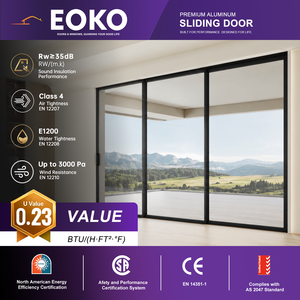
Engineered for luxury villas, offering Uw ≤ 1.1 W/m²K, structural laminated security glass, and heavy-duty multi-point locking mechanisms.
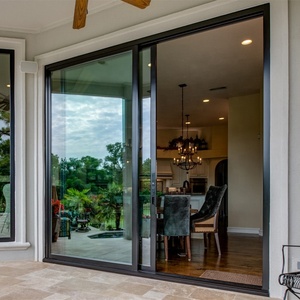
Equipped with German ROTO hardware, anti-corrosive UV-stabilized UPVC frames, and hurricane-rated laminated safety glass profiles.
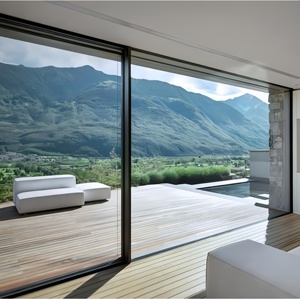
Featuring slim frame profiles, high acoustic dampening (STC > 40dB), and customized double-glazed laminated solar control glass.
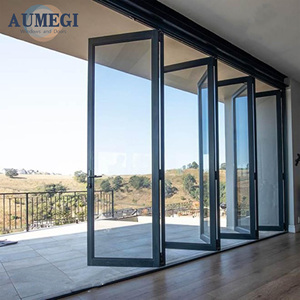
Designed for wide commercial and residential spans, integrated with top-hung rolling hardware and SGP laminated safety glass panels.
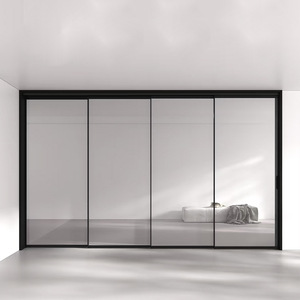
Ultra-narrow 20mm visible sightlines with recessed floor tracks, delivering seamless indoor-outdoor luxury transition for resort projects.
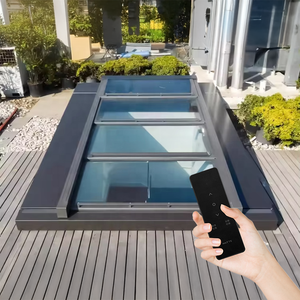
Motorized roof access solution crafted with walk-on heat-strengthening laminated glass, rain sensors, and thermal break frames.
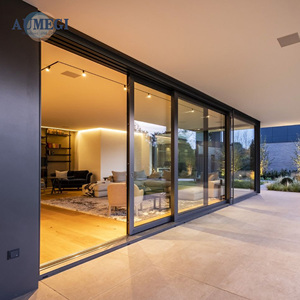
Multi-panel pocket sliding configuration featuring heavy-duty stainless steel tracks, EPDM weather gaskets, and impact-resistant lamination.
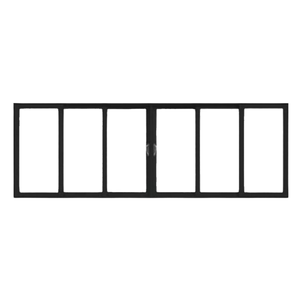
Commercial grade entrance and patio sliding solution tailored for high-traffic hotels, offices, and residential towers in Sri Lanka.
Rigorous quality control indices matching European EN and American ASTM standards for coastal structural stability.
Sri Lanka’s construction sector is undergoing an unprecedented architectural transformation. driven by high-density commercial developments in the Colombo Port City Financial District, luxury hospitality expansions along the Southern coastal belt (Galle, Bentota, Mirissa), and sustainable eco-resorts in Kandy and the Central Highlands. Modern building envelopes across the island require advanced safety glazing solutions capable of insulating interiors against aggressive tropical thermal radiation while withstanding harsh maritime environment stress factors.
As standard annealed and basic tempered glass fail to meet emerging green building benchmarks and stringent structural safety requirements, architectural laminated glass has emerged as the definitive material specification for modern facades, balustrades, skylights, and window walls in Sri Lanka. Choosing the right laminated glass factories and international suppliers requires a deep understanding of interlayer chemistry, thermal stress engineering, and direct import compliance with Sri Lankan building codes.
The primary structural risk associated with installing glass facades along Sri Lanka's coastline is edge delamination and clouding (moisture ingress) caused by perpetual high humidity (often exceeding 85%) paired with ambient temperatures reaching 35°C. To ensure long-term structural integrity, facade engineers must rigorously evaluate the interlayer materials utilized during autoclave lamination.
Polyvinyl Butyral (PVB) is the industry baseline for interior partitions and moderate exterior glazing. While offering excellent sound dampening (STC ratings) and UV protection (99%), standard PVB requires meticulous edge sealing in Sri Lanka to prevent moisture absorption and long-term edge degradation.
Ionoplast SGP interlayers are 5 times tougher and up to 100 times stiffer than standard PVB. SGP displays exceptional resistance to tropical weather, zero edge clouding under high humidity, and structural post-glass-breakage load-bearing capacities vital for frameless glass railings and high-rise facades in Colombo.
Advanced multi-layer acoustic PVB reduces low-frequency traffic noise along Sri Lanka’s urban arteries, while combining with off-line Magnetron Low-E coatings to achieve Solar Heat Gain Coefficients (SHGC) as low as 0.22, drastically slashing HVAC energy costs.
When selecting glass specifications from international suppliers or local processing factories, technical teams should refer to the following performance benchmarks:
| Interlayer Type | Flexural Modulus | Moisture Delamination Risk | Max Wind Load Application | Recommended Sri Lanka Application |
|---|---|---|---|---|
| Standard PVB (0.76mm / 1.52mm) | ~50 MPa | Moderate (Requires Edge Sealing) | Up to 1.5 kPa | Interior Partitions, Low-Rise Windows, Shopfronts |
| Acoustic PVB (Tri-layer) | ~20 MPa | Moderate | Up to 1.5 kPa | Urban Hotel Bedrooms, Highway-Facing Facades |
| SGP Ionoplast (0.89mm / 1.52mm) | ~300 MPa | Nil (Impervious to Salt & Moisture) | Exceeds 3.5 kPa | High-Rise Facades, Balustrades, Walkways, Skylights |
| EVA (Ethylene Vinyl Acetate) | ~30 MPa | Low | Up to 1.2 kPa | Decorative Glass, Smart Switchable Glass Infill |
Building specifications vary significantly depending on the microclimate and urban density of the installation site across Sri Lanka. Below are key architectural application scenarios where engineered laminated glass systems deliver measurable performance gains.
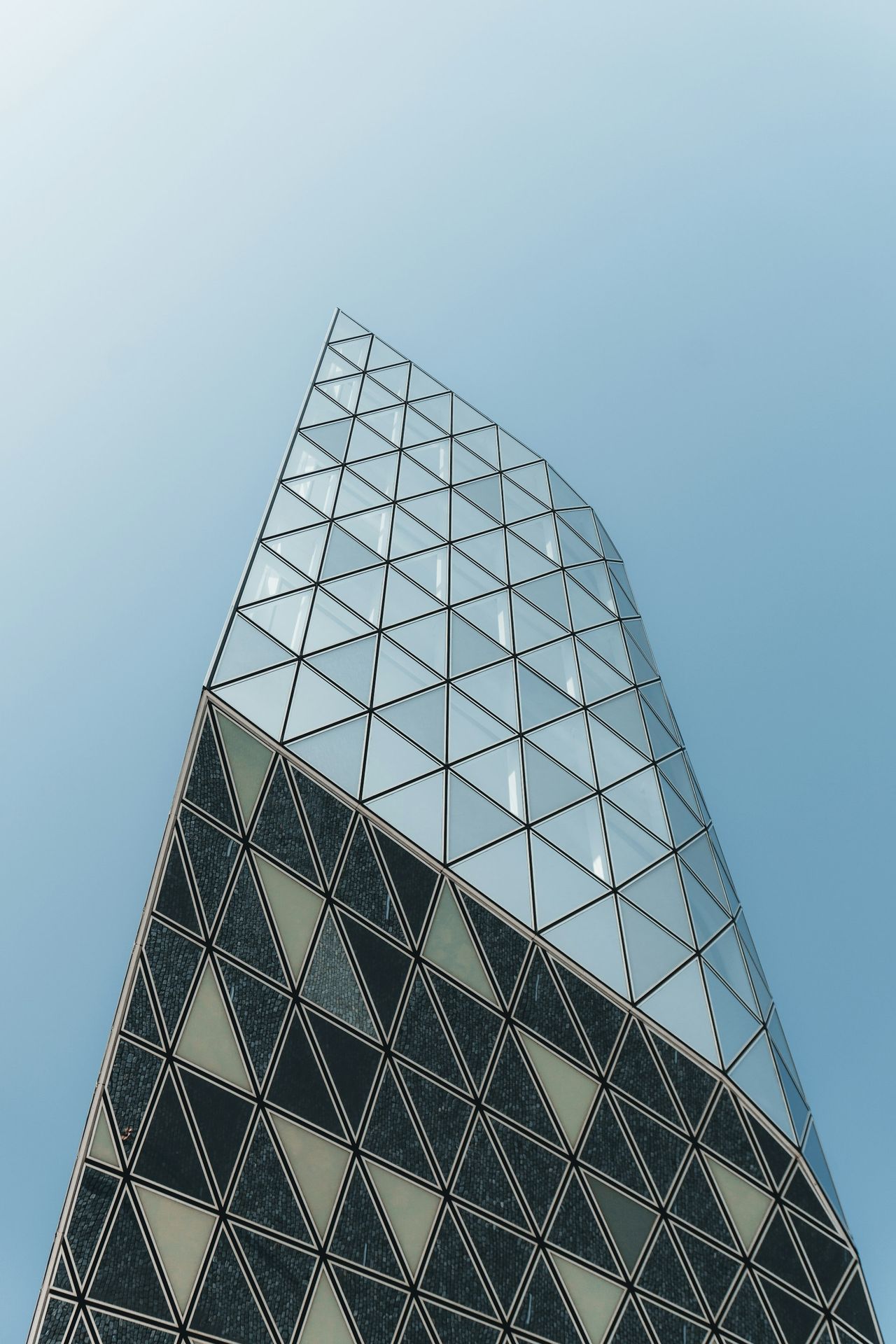
High-rise towers situated on reclaimed land face extreme wind loads (up to 2.5–3.0 kPa) and direct salt spray. Specifications mandate double-glazed units (DGU) comprising 8mm Tempered Low-E + 12Ar + 6mm+1.52SGP+6mm Tempered Laminated Glass to guarantee zero post-breakage fallout and superior U-values.
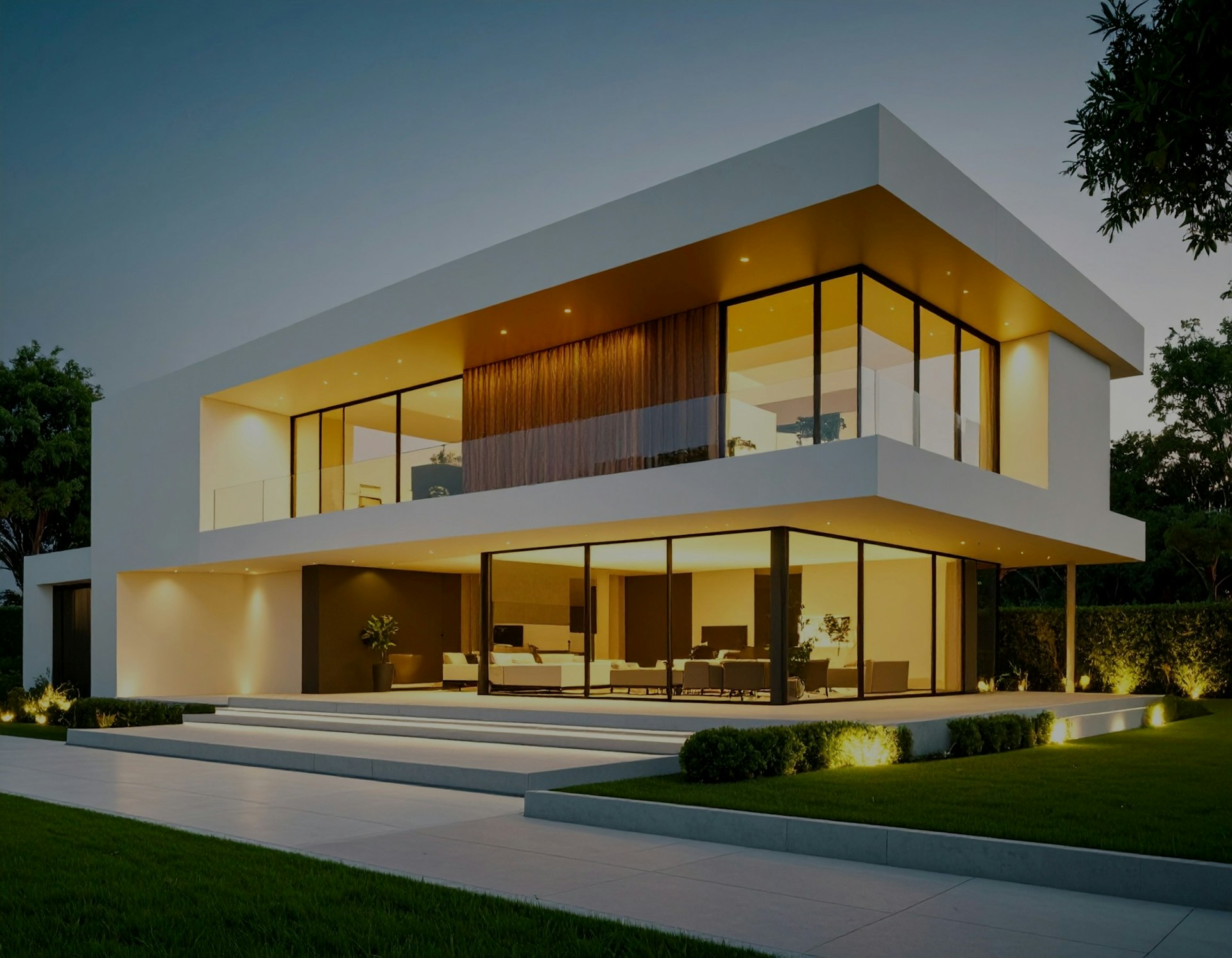
Coastal luxury boutique hotels prioritize expansive uninterrupted views using floor-to-ceiling motorized slim sliding doors. Utilizing 1.52mm SGP lamination prevents edge fogging caused by marine salt aerosol, offering tropical storm impact resistance without bulky framing profiles.
.webp)
Inland highland regions experience high diurnal temperature swings. Skylights, glass roofs, and winter garden verandas require heat-strengthened laminated glass panels to prevent thermal fracture while maintaining interior solar thermal control.
.webp)
For public safety in shopping malls and office headquarters, structural laminated glass balustrades utilize continuous bottom-channel support systems. SGP interlayers ensure that if one pane shatters under heavy impact, the glass barrier remains upright and structural.
The Sri Lankan architectural market is undergoing rapid shifts driven by energy economics and green rating certifications:
Working with an established architectural aluminum and laminated glass manufacturer removes cross-border procurement vulnerabilities. Our manufacturing alliance combines state-of-the-art lamination autoclaves with precision extrusion and CNC fabrication lines under unified quality control supervision.
Every Sri Lankan elevation drawing undergoes rigorous structural wind load modeling (EN 12211) and thermal transmittance calculation (ISO 10077) before raw glass cutting or aluminum extrusion begins.
All supplied glass and frame systems carry CE mark accreditations, fully tested for air permeability (EN 1026), watertightness (EN 1027), and impact safety under EN 12600 and ISO 12543 standards.
Glass shipments bound for Colombo Port are packed in ISPM-15 fumigated, heavy-duty A-frame wooden crates with silica gel desiccants and moisture-barrier vacuum foil wrapping to ensure zero sea-sweat corrosion during sea transit.
Technical and logistical insights for architects, structural engineers, and facade contractors importing glass to Sri Lanka.
PVB (Polyvinyl Butyral) is a flexible interlayer ideal for standard safety and soundproofing applications. However, in Sri Lanka's humid coastal zones (such as Colombo, Galle, or Negombo), exposed PVB glass edges can absorb moisture over time, causing delamination (clouding). SGP (SentryGlas® Ionoplast) is 100 times stiffer and impervious to moisture, making it mandatory for frameless glass railings, overhead skylights, and high-wind coastal towers.
Glass imports into Sri Lanka must comply with Sri Lanka Standards Institution (SLSI) regulations and custom HS Codes (e.g., HS 7007.29 for laminated safety glass). Overseas factory suppliers provide complete documentation packages—including CE declarations, ISO 12543 compliance certificates, commercial invoices, packing lists, and ISPM-15 wood fumigation certificates—to guarantee seamless clearance at Colombo Port.
Single laminated glass provides impact safety and UV filtering but minimal thermal insulation. In Sri Lanka’s tropical climate, solar infrared radiation heats up interior spaces rapidly. A Double Glazed Unit (DGU) combining an outer Low-E pane with an inner laminated pane creates an insulating argon gas cavity that reduces interior Heat Gain, lowering air-conditioning power consumption by up to 35%.
Yes. Factories utilize computer-controlled bending furnaces and specialized acoustic PVB interlayers (such as Vanceva or Saflex Acoustic) capable of achieving Sound Transmission Class (STC) ratings exceeding 45dB. This effectively insulates hotel guests from urban traffic noise while providing custom architectural geometry.
Engineering DWG drawing approval and fabrication typically take 20 to 25 days depending on batch complexity. Sea freight transit from major manufacturing hubs to Colombo Port usually ranges between 12 to 18 days. Contractors should budget a total lead time of approximately 35 to 45 days from initial deposit to site delivery.
Planning a project in Colombo, Galle, Kandy, or coastal Sri Lanka? Send your architectural elevations and window schedules to receive a comprehensive technical dossier, U-value calculation, and direct factory price proposal within 72 hours.
