
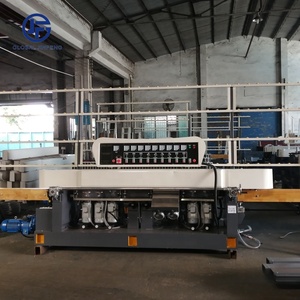
Glass Edging Machine 9-Motor Straight Line Automatic Glass Grinding & Polishing Machine
Industrial heavy-duty 9-spindle straight line glass edge grinding and beveling machine engineered for high-volume architectural glass processing plants.
Engineered to international standards (EN 12020-2, CE, ISO) and customized for residential, commercial, and industrial infrastructure developments across India.
Industrial heavy-duty 9-spindle straight line glass edge grinding and beveling machine engineered for high-volume architectural glass processing plants.
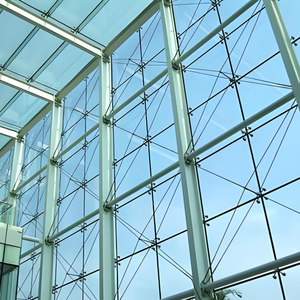
Point-supported structural stainless steel spider fitting curtain wall system designed for convention centers, airport terminals, and corporate headquarters.
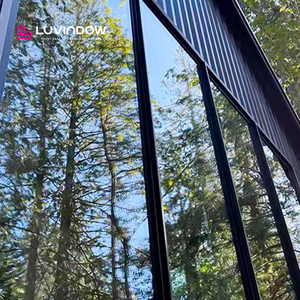
Ultra-slim thermal break aluminum fenestration featuring German multi-point hardware, concealed hinges, and high acoustic attenuation for luxury villas.
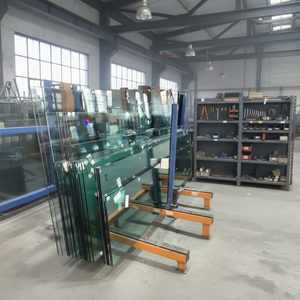
Fireproof interior and exterior wall system meeting integrity and thermal insulation fire safety standards (E/EI classes) for commercial kitchens and escape routes.
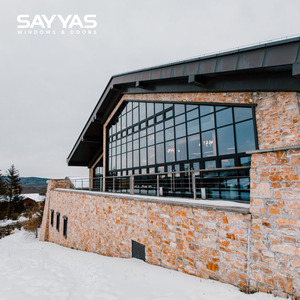
Premium structural curtain wall system uniting exterior aluminum durability with interior sustainable timber aesthetics, designed for high-rise luxury developments.
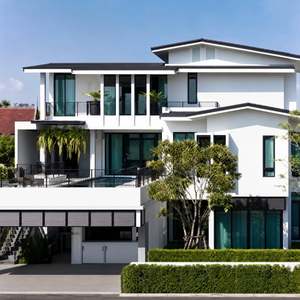
Turnkey residential architectural glazing package incorporating thermal break casements, minimal sliding doors, and skylights backed by a 5-year global factory warranty.
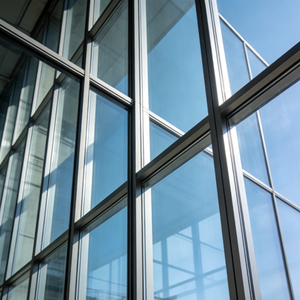
Pre-assembled offsite unitized curtain wall panels for rapid high-rise tower erection, offering exceptional seismic displacement capability and weatherproofing.
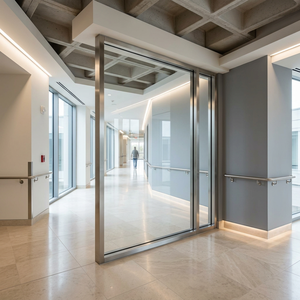
Certified high-integrity fire-resistant glass wall system designed to prevent smoke, flame, and radiant heat transfer for up to 120 minutes in public buildings.
India’s rapid urbanization and modern high-rise commercial expansion have fundamentally reshaped the requirements for building envelopes. Architects, structural consultants, and facade contractors across major metros—such as Mumbai, National Capital Region (Delhi NCR), Bengaluru, Hyderabad, and Chennai—are increasingly departing from traditional uninsulated fenestration in favor of high-performance engineered architectural glazing systems. As a leading specialized manufacturer and direct-export factory, our engineering operations bridge European profile technology with the rigorous climatic demands of the Indian subcontinent.
Designing facade systems for India demands a deep understanding of diverse regional microclimates. The thermal and structural stress placed on a building envelope in the tropical coastal climate of Mumbai differs drastically from the extreme temperature fluctuations of New Delhi or the moderate elevated climate of Bengaluru. Our custom-extruded aluminum curtain walls and thermal break windows are engineered to solve these exact geographic parameters:
Compliance with the Indian Energy Conservation Building Code (ECBC 2017) and green building certification systems—such as GRIHA (Green Rating for Integrated Habitat Assessment) and IGBC (Indian Green Building Council)—has transitioned from optional sustainability targets to mandatory statutory requirements for large commercial and institutional developments. High-performance building envelopes serve as the primary defensive barrier against building energy loads.
By utilizing our engineered double-tempered unitized curtain walls and thermal break casements, project developers can reduce overall HVAC tonnage requirements by up to 35%. Lowering the solar heat gain while maintaining optimal Visible Light Transmittance (VLT ≥ 60%) significantly cuts artificial lighting load and operational carbon emissions throughout the building's lifecycle.
| Glazing System Type | Frame Depth / Module | Thermal Performance (Uw / Ucw) | Acoustic Rating (STC) | Wind Load Resistance | Primary Application in India |
|---|---|---|---|---|---|
| Unitized Double Glazed Curtain Wall | 140mm – 180mm Unitized | 1.2 – 1.6 W/m²K | 40 – 45 dB | Up to 4.0 kPa (EN 12211) | IT Parks, Commercial High-Rises (Gurgaon, BKC) |
| Spider Structural Point-Glazing | Stainless Steel 316 Spider | 1.8 – 2.2 W/m²K | 36 – 40 dB | Up to 3.0 kPa | Convention Centers, Airport Atriums, Malls |
| Thermal Break Tilt-Turn Casement | 65mm – 75mm Profile | 0.9 – 1.4 W/m²K | 42 – 48 dB | Class 4 / C5 | Luxury Villas, Penthouse Residential Projects |
| Fire-Rated Curtain Wall (EI120) | 80mm Insulated Frame | E120 / EI120 Certified | 38 – 42 dB | Tested to ISO 834 / EN 1364 | Hospitality Kitchens, Refuge Floors, Evacuation Routes |
| Aluminum Clad Wood Facade (SCW60) | 60mm Module Depth | 1.0 – 1.3 W/m²K | 44 – 50 dB | Up to 3.2 kPa | Boutique Hotels, Corporate Executive Hubs |
From high-density commercial towers to coastal luxury villas, explore how our glazing solutions adapt to diverse architectural demands across India.
For corporate headquarters in Gurgaon (Delhi NCR) and Bandra Kurla Complex (Mumbai), our unitized curtain wall systems offer pre-assembled precision offsite. Panels are delivered ready for crane installation, reducing site erection time by 40% while accommodating structural floor deflections and seismic drift.
Luxury beachfront properties demand expansive panoramic sightlines without compromising weather tightness against severe tropical monsoons. Our minimal-frame lift-and-slide doors and tilt-turn casements utilize multi-locking points and C5 anti-corrosion hardware for long-term smooth operation.
High-transparency spider glazing systems maximize daylighting in vast public spaces such as airport terminals, convention centers, and shopping malls. Engineered with 316-grade stainless steel spiders and articulated routels to withstand heavy wind suction loads safely.
Recent updates to India's National Building Code (NBC) require mandatory fire-rated barriers in refuge floors, commercial kitchens, and atrium enclosures. Demand for EI60 and EI120 fireproof glass curtains has grown rapidly among tier-1 developers.
Due to urban site space constraints and tight construction timelines in metros like Mumbai and Bengaluru, structural engineers are moving away from stick curtain walls toward factory-fabricated unitized glass panel assemblies.
With corporate offices encroaching on busy transport corridors, high STC-rated acoustic glass (incorporating acoustic PVB interlayers) has become a non-negotiable procurement item for prime commercial Grade-A office space.
Indian fabricators are increasingly investing in modern glass processing machinery—such as 9-motor automatic straight-line edging and polishing equipment—to maintain tight tolerances for structural glass installations locally.
Combining European engineering design, rigorous quality control, and streamlined direct-factory export logistics for seamless cross-border delivery.
All supplied aluminum profiles are extruded from high-grade 6063-T5/T6 alloy strictly following EN 12020-2 tolerances. Surface finishes carry Qualicoat and Qualanod certifications, backed by comprehensive EN test reports for air permeability, water tightness, and wind load resistance.
Every shipment is protected by heavy-duty ISPM-15 compliant fumigated wooden crates with moisture-absorbent desiccants and reinforced corner guards. We regularly ship FCL container loads directly to major Indian ocean ports, including Nhava Sheva (JNPT), Mundra, Chennai, and Cochin.
We do not simply export off-the-shelf profiles. Our structural engineering team works directly from your DWG elevations and BIM schedules to generate detailed profile die sections, anchor connection details, wind load calculations, and static stress analysis for site approval.
Clear, direct answers regarding import compliance, structural testing, freight logistics, and custom engineering support.
Yes. Our architectural glass and aluminum profile systems meet and exceed National Building Code (NBC 2016) specifications as well as relevant Indian Standards (IS 2553 for safety glass, IS 13932 for structural glazing, and IS 875 Part 3 for wind loads). We provide complete technical dossiers including European EN test reports (EN 1026, EN 1027, EN 12211) and mill test certificates for seamless site approval by Indian structural consultants.
Our standard production cycle for custom extruded and fabricated aluminum glazing systems is 25 to 35 days from shop drawing approval. Ocean transit time from our export hub to Nhava Sheva (JNPT Mumbai) or Mundra Port typically ranges between 14 to 22 days. We coordinate all container loading, export documentation, and ISPM-15 crating compliance in advance to ensure smooth customs clearance upon arrival.
Thermal break profiles feature high-density polyamide insulation strips inserted between the interior and exterior aluminum chambers. In hot regions like Delhi NCR or humid coastal cities like Mumbai, this barrier stops heat conduction from the sun-heated exterior frame into the air-conditioned interior. When paired with Low-E double glazing, thermal break windows cut indoor heat gain by up to 40%, drastically reducing electricity bills.
Absolutely. For coastal installations in Mumbai, Goa, Chennai, or Kochi, we supply marine-grade Qualicoat Class 2 or PVDF fluoropolymer coatings with a minimum thickness of 60–80 microns. This architectural finish guarantees long-term resistance against salt spray corrosion, severe humidity oxidation, color fading, and intense UV exposure.
To prepare an accurate structural proposal and bill of quantities (BOQ), please send your architectural elevation drawings, window/facade schedule (in DWG or PDF format), glass specification requirements (if defined), and the project installation location. Our engineering team will review wind load requirements, profile depth options, and return a tailored commercial bid within 48 to 72 hours.
Partner with an experienced architectural glass and aluminum curtain wall manufacturer. Send your CAD elevations or project specifications today for a comprehensive engineering proposal and direct factory quote.