Explore our certified aluminum façade profiles, structural spider glass systems, fire-rated architectural panels, and heavy-duty glass grinding machinery designed for Nigerian building standards and industrial fabricators.
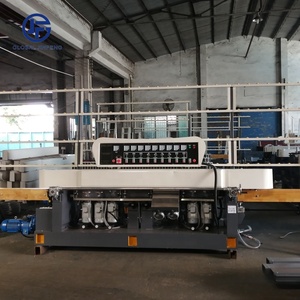
Heavy-duty 9-spindle straight-line glass edging system for glass processing factories. Delivers high-precision arrissing, flat edging, and continuous polishing for architectural glass.
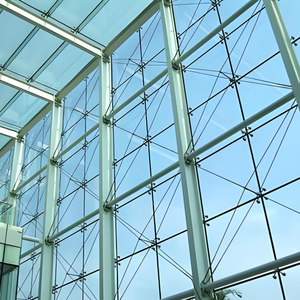
Point-fixed stainless steel spider fitting glazing wall system engineered for corporate headquarters, hotel skylights, and grand convention center entrance foyers.
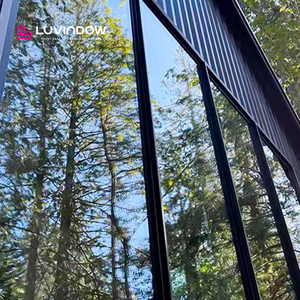
Minimalist architectural slim-frame window system featuring thermal break polyamide insulation, multi-point concealed locking, and panoramic high-transmittance double glazing.
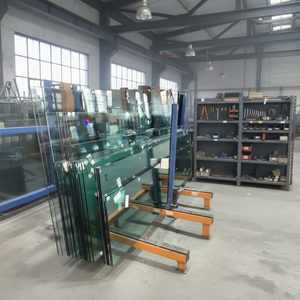
High-integrity fire-resistant glass barrier system designed for commercial kitchens, server rooms, escape corridors, and exterior fire-rated envelope walls.
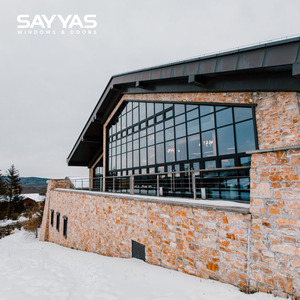
Commercial grade aluminum-clad structural glass curtain wall system engineered for high-rise commercial office towers, luxury hotels, and modern retail complexes.
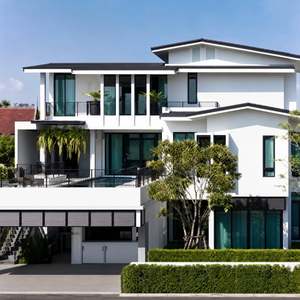
Turnkey residential and commercial fenestration package comprising thermal break sliding doors, casement windows, and sunroom enclosures with a 5-year warranty.
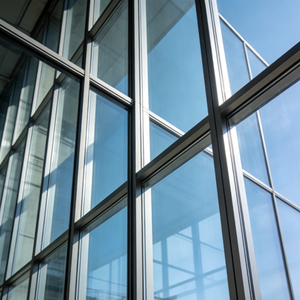
Prefabricated unitized glass curtain wall panels engineered for rapid jobsite erection in high-rise towers. Features factory-sealed double tempered Low-E glass units.
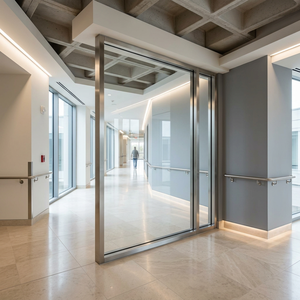
Fully certified fireproof glass curtain wall system engineered to block thermal radiation and flame penetration for up to 120 minutes in public and commercial facilities.
A technical overview on specifying thermal break aluminum, unitized curtain walls, spider glazing, and glass machinery for West Africa’s fastest-growing construction ecosystem.
The Nigerian construction landscape is undergoing a massive structural shift. Driven by rapid urban transformation in major economic centers like Lagos (Eko Atlantic City, Lekki Phase 1, Victoria Island), Abuja (Central Business District, Maitama), Port Harcourt, and Kano, the demand for modern architectural glazing systems has evolved far beyond standard single-pane windows. Commercial developers, institutional investors, and high-end residential owners now demand high-performance fenestration solutions capable of meeting strict thermal, acoustic, structural, and aesthetic standards.
Operating in Nigeria requires a deep understanding of its unique micro-climates. From the intense maritime salt spray and high humidity of coastal Lagos to the extreme solar heat loads of Central Nigeria and the abrasive, dust-laden Harmattan winds of the Northern states, architectural envelopes face brutal environmental stress. Selecting the correct aluminum profile alloys, surface anodizing/powder coatings, glass configurations, and structural sealants is critical to preventing premature envelope failure, water infiltration, and excessive HVAC energy consumption.
Furthermore, local energy infrastructure costs mean that commercial towers in Nigeria rely heavily on independent diesel generators or solar microgrids for cooling. Uninsulated, non-thermally broken glass façades convert buildings into heat traps, driving air-conditioning loads to unsustainable levels. By specifying polyamide thermal break aluminum windows, Low-E double/triple double-tempered insulated glass units (IGU), and solar control structural silicone glazing, property developers can reduce building thermal gain by up to 38%, achieving substantial operational savings over the building lifecycle.
For local glass fabricators and building material importers, investing in industrial processing equipment—such as 9-motor automatic straight-line glass edging and polishing machines—is becoming essential to build in-country processing capacity, shorten lead times, and capture high-margin commercial façade contracts.
Tailored architectural glazing solutions engineered for the specific microclimatic challenges and structural codes across Nigerian urban centers.
Commercial high-rises along the Atlantic coastline face severe wind pressure (>2.5 kPa) and corrosive marine atmosphere. Our unitized double-tempered glass curtain walls feature marine-grade Qualanod anodized profiles (min. 25 microns) or PVDF powder coating (min. 60-80 microns) with EPDM weather gaskets to eliminate salt corrosion and water leaks during heavy monsoon rains.
Abuja’s prestige institutional buildings and corporate headquarters require dramatic architectural transparency combined with superior sound reduction. Point-fixed spider glazing wall systems and SCW60 structural silicone curtain walls create seamless glass facades while achieving acoustic insulation ratings up to 42 dB to block urban traffic noise.
Compliance with National Building Codes for high-occupancy buildings, hospitals, and shopping centers demands certified fire compartmentation. Our EW120 / EI60 / EI120 fire-rated glass curtain walls use intumescent clear laminates that insulate against radiant heat and retain structural integrity for up to 2 hours during building fires.
For upscale villas and luxury residential developments, tilt-turn casement windows and minimalist slim sliding patio doors provide ultra-thin sightlines, smooth multi-point security locking, and integrated flyscreen mesh options that keep out insects while allowing natural cross-ventilation.
To overcome high shipping costs of pre-cut glass, forward-thinking Nigerian glass factories are equipping their facilities with 9-motor automatic straight-line glass edging and polishing machinery. This allows localized edge grinding, beveling, and preparation for local tempering lines.
During the Harmattan season, fine silica dust penetrates standard window joints. Our systems utilize continuous multi-channel EPDM rubber seals and brush weatherstripping, ensuring zero air leakage and preserving indoor air quality across Northern and Central Nigerian cities.
Compare key physical and thermal parameters of ALUCCO glazing systems to match your Nigerian project's exact structural engineering requirements.
| Glazing System Type | Frame Depth | Glass Configuration | Thermal U-Value (Uw) | Wind Load Resistance | Acoustic Isolation | Recommended Nigeria Location |
|---|---|---|---|---|---|---|
| Unitized Glass Curtain Wall | 140 - 200 mm | 6mm Low-E + 12Ar + 6mm Tempered | 1.3 – 1.6 W/m²K | Class C5 (≥ 3.0 kPa) | 40 - 45 dB | Eko Atlantic, Lagos Coastal Towers |
| Spider Glazing System Wall | Point-Fixed SS316 | 10mm + 1.52PVB + 10mm Laminated | 2.1 – 2.5 W/m²K | Class C4 (≥ 2.5 kPa) | 36 - 40 dB | Abuja Atriums, Hotel Entrances |
| Structural Silicone Stick Wall (SCW60) | 50 / 60 mm Sightline | 8mm High-Trans + 12A + 8mm Double Temp | 1.4 – 1.8 W/m²K | Class C4 (2.5 kPa) | 38 - 42 dB | Victoria Island, Ikeja Commercial |
| Thermal Break Tilt-Turn Window | 65 - 75 mm | 5mm + 12A + 5mm Double Glass | 1.1 – 1.5 W/m²K | Class C4 (2.2 kPa) | 35 - 40 dB | Maitama Villas, Lekki Residential |
| Fire-Rated Glazing System (EI120) | 70 - 90 mm Steel/Alu | 28mm Intumescent Fireproof Glass | 1.8 – 2.2 W/m²K | Class C3 (1.8 kPa) | 42 - 46 dB | Commercial Kitchens, Fire Escape Routes |
| Minimalist Slim Sliding Door | 20mm Visible Stile | 6mm + 14Ar + 6mm Low-E Tempered | 1.4 – 1.7 W/m²K | Class C3 (1.8 kPa) | 34 - 38 dB | Luxury Penthouses, Rooftop Terraces |
Combining European engineering rigor with streamlined direct-from-factory export logistics to simplify cross-border building material procurement.
We don't just sell off-the-shelf profiles. Our structural engineers convert your DWG/PDF elevation drawings into detailed shop drawings, profile section details, static load calculations, and precise Bill of Quantities (BOM) before manufacturing begins.
All aluminum profile extrusions adhere to EN 12020-2 strict dimensional tolerances. Finished window and curtain wall systems are rigorously tested for Air Permeability (EN 1026), Watertightness (EN 1027), and Wind Load Resistance (EN 12211).
Shipping glass and aluminum across oceans requires bulletproof packaging. Products are protected with corner guards, moisture-resistant film, and loaded into ISPM-15 fumigated wooden crates with elevation-coded labelling for seamless jobsite organization at Apapa or Onne Port.
Market intelligence for real estate investors, architectural firms, and facade engineering consultants operating in West Africa.
With electricity tariffs rising and diesel generator operational expenses climbing in Nigeria, commercial project owners are mandating polyamide thermal break windows. Replacing cold-bridge standard aluminum with thermal break profiles combined with Low-E double glazing drops internal air-conditioning power consumption drastically, delivering an attractive ROI within 24–36 months.
High-density urban sites in Lagos Island and Victoria Island suffer from cramped staging areas and high local site labor costs. The market is rapidly adopting off-site manufactured unitized curtain walls, where fully glazed panel units arrive ready to be hoisted and locked onto floor slabs, cutting exterior installation timelines by up to 50%.
Nigerian building material suppliers are shifting from importing pre-finished glass to importing raw float glass sheets and processing them locally. Installing automated 9-motor straight-line glass edging, polishing, and drilling machinery allows local factories to produce custom architectural glass specs with zero waiting time for overseas sea freight.
The hospitality and luxury residential sectors in Abuja and Lagos are embracing bioclimatic aluminum pergolas with motorized louvers and guillotine sliding glass walls. These create versatile indoor-outdoor spaces for restaurants, rooftop lounges, and private villa poolside terraces that shield guests from sudden tropical rainfall.
Clear technical and logistical answers regarding importing glazing systems and machinery into Nigeria.
We supply aluminum profiles treated with specialized surface coatings meeting international standard Qualicoat (for powder coating) and Qualanod (for anodizing). For coastal areas such as Eko Atlantic, Lekki, and Port Harcourt, we specify a minimum powder coating thickness of 60-80 microns or anodizing layer ≥ 20 microns, along with 316 stainless steel architectural hardware, ensuring complete resistance against salt pitting and surface oxidation.
To provide an accurate technical proposal and itemized Bill of Quantities (BOM), we require your architectural CAD elevations, window/door schedules (in DWG or PDF format), required glass specifications (e.g., single, double Low-E, acoustic laminated), and the target project location to evaluate design wind pressures.
Typical factory manufacturing lead time for custom aluminum extrusions, cutting, thermal break assembly, and glass crating is 20–30 days depending on project size. Sea freight transit time from our export port to Lagos (Apapa/Tincan) or Port Harcourt (Onne) is approximately 28–35 days. Complete export documentation (Form M, SONCAP approval support, Commercial Invoice, Packing List with HS codes, Bill of Lading) is provided in advance.
Glass units are packed into heavy-duty, fully enclosed ISPM-15 compliant fumigated wooden A-frame crates, cushioned with shock-absorbing foam spacers and silica gel packs to prevent moisture condensation. Heavy machinery such as the 9-motor glass edging machine is anchored securely to steel-reinforced wooden skids and sealed in anti-rust foil wrap inside the ocean container.
Yes. We specialize in consolidated project shipping (FCL - Full Container Load). We can engineer the container loading plan so that your window profiles, double-glazed panels, curtain wall accessories, and glass edging machinery are packed together safely in 40ft High Cube containers, maximizing container space and lowering per-unit freight costs to Nigeria.
Yes. Our architectural systems are calculated according to Eurocode 1 (EN 1991-1-4) for wind actions and Eurocode 9 for aluminum structural design, which fully align with the structural safety provisions of the Nigerian National Building Code (NBC). Structural static calculations for mullions and transoms are included in our technical dossier.
Whether you are designing a high-rise office tower in Lagos, a hotel in Abuja, or upgrading a local glass manufacturing plant, our engineering team is ready to analyze your drawings and return a customized technical proposal.
