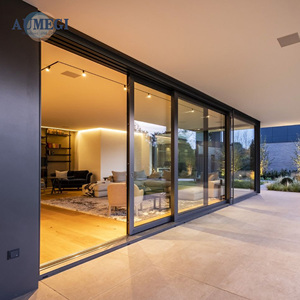
Glass Railings Manufacturers & Factory serving Philippines

Engineered Architectural Glass Balustrades, Structural Glazing & High-Performance Fenestration Systems Built for Typhoon Resilience & Tropical Marine Climates

NSCP 2015
PH Wind Code Compliant
300 km/h
Super Typhoon Resistance
25 µm+
Marine Anodizing / PVDF
EN 12600
Safety Impact Standard

Featured Systems & Product Portfolio

Explore our factory-direct architectural systems engineered for Philippine commercial, luxury residential, and resort developments. All systems are fully customizable with project-specific structural calculation dossiers.
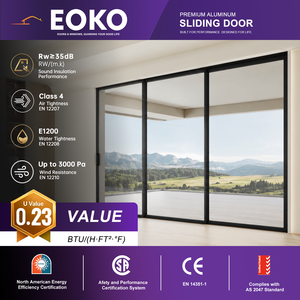
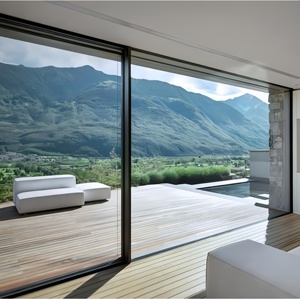
EOKO NFRC Aluminum Sliding Door Triple Glazed Low-E Thermal Break Lift-and-slide Aluminum Sliding Glass Doors for Luxury Villa

EOKO NFRC Triple Glazed Low-E Lift-and-Slide Glass Door System

Inquire Now
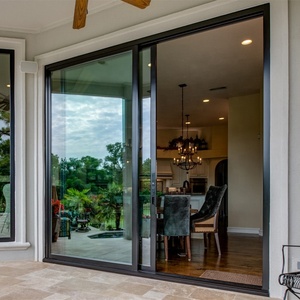
American Standard ROTO Hardware Double Large Glass Glazed PVC Doors And Windows UPVC Vinyl Lifting Sliding Doors For Villa

ROTO Hardware Double Glazed Villa Lifting Sliding Door & Window System

Inquire Now
Customized Modern Style Sliding Door for Home Villa Balcony Double Glazed Energy Efficient Aluminum Glass Sliding Door for Sale

Energy-Efficient Double Glazed Balcony Sliding Glass Door for Luxury Villas

Inquire Now
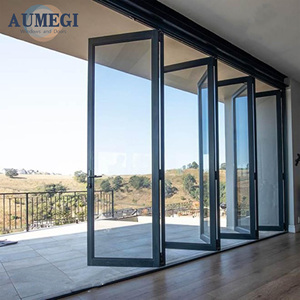
Aumegi Australian Style Vertical Folding Doors Bi Folding Aluminum Bi-fold Patio Sliding Folding Door

Australian Standard Heavy-Duty Aluminum Bi-Fold Patio Door System

Inquire Now
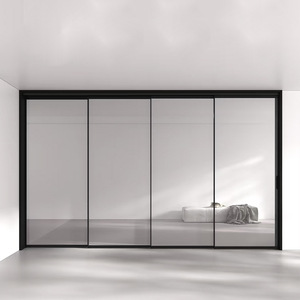
Slim Polymer Glass Door Minimalist Windproof Hidden Sliding Door Interior Partition Sliding Door Room Garden

Minimalist Ultra-Slim Windproof Hidden Frame Glass Partition Door

Inquire Now
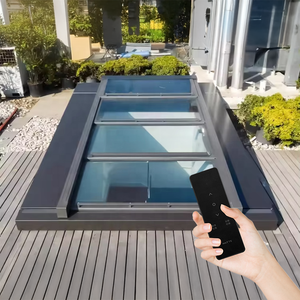
Easy Diy Installation Electric Retractable Sliding Double Glazed Flat Roof Access Hatches Window Skylight For Stairs

Electric Retractable Double Glazed Skylight & Roof Access Hatch System

Inquire Now
AUMEGI Sliding Doors Price Modern Aluminium Rail Prices 4 Back Patio Partition Slide Door

Modern Heavy-Duty 4-Track Aluminium Patio Sliding Door System

Inquire Now
Modern Aluminum Alloy Sliding Patio Door Double Glazed Glass Door System For Home Office Balcony

Commercial Grade Double Glazed Aluminum Alloy Patio Glass Door

Inquire Now

Technical Whitepaper: Engineering Architectural Glass Railings & Building Envelopes for the Philippine Environment

The Philippine archipelago presents one of the most demanding microclimates in the world for architectural building products. Positioned directly within the Pacific Typhoon Belt and surrounded by highly saline maritime air, structures across Metro Manila, Tagaytay, Cebu, Davao, Palawan, and Boracay are continuously subjected to extreme mechanical and environmental stresses. Structural glass railings, glass balustrades, curtain walls, and sliding door systems are not merely decorative elements; they represent critical perimeter defense barriers that must comply strictly with the National Structural Code of the Philippines (NSCP 2015), ASCE 7-10 standards, and international safety guidelines such as EN 12600 and ASTM E935/E985.

As a global OEM/ODM manufacturer and export-driven production facility serving the Philippines, our engineering paradigm revolves around overcoming three key failure modes in tropical coastal fenestration: dynamic wind load deformation, interlay delamination caused by high humidity/UV intensity, and galvanic/atmospheric corrosion of aluminum substrates and hardware fittings.

"Structural integrity in Philippine coastal glazing projects requires a holistic engineering approach: balancing wind deflection limits under NSCP 2015 Zone 1 criteria (up to 300 km/h design speeds) with high-durability SGP ionoplast interlayers and marine-grade 6063-T6 aluminum alloys extrusion finished with 70% Kynar 500 PVDF coating."

1. Structural Engineering & Typhoon Resistance (NSCP 2015 Code Compliance)

In high-rise developments across Bonifacio Global City (BGC), Makati CBD, and waterfront resort villas in Mactan or El Nido, wind pressure escalates dramatically with elevation and topography. Under NSCP 2015, basic wind speeds range from 250 km/h to over 300 km/h in exposed coastal zones (Zone 1). Glass railings installed on balconies, roof decks, and open terraces must absorb intense positive pressure and extreme negative suction forces without structural failure or excessive deflection.

  • Structural Deflection Limits: Standard architectural balustrades are designed to meet L/60 or L/100 deflection criteria. For luxury high-rises, our factory engineers shoe-channel embedded base profiles capable of withstanding ultimate linear loads exceeding 1.5 kN/m to 3.0 kN/m, ensuring postless frameless aesthetics without sacrificing lateral rigidity.
  • SGP (SentryGlas®) vs. Standard PVB Interlayers: Standard Polyvinyl Butyral (PVB) interlayers tend to soften under tropical ambient temperatures (35°C to 40°C) and lose structural shear stiffness. We specify SentryGlas® Ionoplast interlayers for structural glass railings serving the Philippines. SGP is 5 times stiffer and 100 times tougher than traditional PVB, ensuring that even if glass panes suffer physical impact from windborne debris, the structural guardrail remains upright as an unbroken barrier.
  • Tempered & Heat-Soak Tested Laminated Glass: To prevent spontaneous glass breakage caused by Nickel Sulfide (NiS) inclusions in float glass under intense tropical solar radiation, all our laminated glass units undergo rigorous Heat Soak Testing (HST) according to EN 14179 standards prior to shipment.

2. Metallurgical Resistance & Marine-Grade Coating Standards

Atmospheric salinity in Philippine coastal areas rapidly degrades unconditioned aluminum profiles and low-grade stainless steel (such as SS304). Marine atmospheric salt spray attacks hardware mechanisms, hinges, base shoe tracks, and surface finishes, leading to pitting corrosion, structural degradation, and aesthetic ruin within months of installation.

  • Aluminum Alloy Selection (6063-T6 & 6005A-T6): We utilize high-purity primary aluminum extrusions treated to T6 temper for maximum tensile strength and yield resistance. Our custom U-channel base profiles for frameless glass railings feature wall thicknesses ranging from 4.5mm to 8.0mm to resist mechanical flex under maximum lateral load.
  • Surface Finishing Standards: For inland projects in Metro Manila or Clark, our 60µm+ Qualicoat Class 2 architectural powder coatings provide vibrant aesthetic finishes with superior color retention. For coastal developments in Batangas, Cebu, Boracay, and Siargao, we mandate 3-coat Fluorocarbon PVDF coatings (minimum 70% Kynar 500 resin) or 25µm heavy-duty anodizing complying with Qualanod standards, yielding zero corrosion after 3,000 hours of continuous ASTM B117 salt spray testing.
  • Hardware & Fasteners: All mechanical anchors, glass clamps, spigots, and adjustment screws utilize Marine Grade AISI 316 / 316L Stainless Steel or hard-anodized high-grade aluminum alloys to eliminate galvanic corrosion between dissimilar metals.

Specification Matrix: Standard vs. ALUCCO Marine-Engineered Railings

An engineering side-by-side performance comparison for developers, specifiers, and general contractors evaluating glass balustrade installations in the Philippines.

Performance / Spec Metric Standard Commercial Railing ALUCCO Typhoon-Grade Railing System Engineering Relevance for PH Market
Glass Configuration 10mm or 12mm Monolithic Tempered 8.8.4 / 10.10.4 SGP Laminated Tempered Prevents fallback risks during Category 5 typhoons even if shattered.
Interlayer Performance Standard 1.52mm PVB 1.52mm / 2.28mm SentryGlas® (SGP) 5x shear strength; will not delaminate under high UV & 90%+ RH.
Design Wind Load Capacity 1.2 kPa to 1.8 kPa Up to 4.5 kPa (NSCP 2015 Zone 1) Engineered for high-rise balconies & exposed coastal headlands.
Aluminum Base Finish Standard Powder Coat (30-40µm) 70% Kynar 500 PVDF (min 60µm) / 25µm Anodized Exceeds 3,000 hrs ASTM B117 salt-spray test without blistering.
Base Shoe Mounting Channel Surface Mounted Light Profile (3mm) Embedded / Heavy-Duty U-Channel (6-8mm) Provides seamless zero-sightline aesthetic with maximum moment resistance.
Hardware & Fasteners SS 304 / Zinc Alloy fittings AISI 316L Stainless Steel / Anodized Al Zero rust, galvanic corrosion, or staining in marine environments.

Localized Application Scenarios in the Philippines

Customized manufacturing solutions tailored to the spatial, architectural, and climatic demands of major Philippine construction sectors.

Urban High-Rise Balconies (BGC, Makati, Ortigas)

For high-density luxury residential towers where unobstructed panoramic views of city skylines command premium per-square-meter valuations. Embedded base shoe aluminum channel glass railings deliver continuous zero-sightline aesthetics while easily handling elevation wind shear and complying with strict local building safety codes.

Luxury Coastal Resorts (Boracay, Palawan, Mactan)

Over-water bungalows, infinity pool perimeters, and beachfront resort terraces require maximum corrosion resistance and structural clarity. Heavy-duty 25µm anodized frameless spigot and shoe systems resist constant ocean spray, sand abrasion, and high ambient moisture while preserving uninhibited ocean vistas.

Hillside Estates & Golf Communities (Tagaytay, Antipolo)

Villas located along ridge fronts face turbulent valley updrafts and severe wind gusts. We supply integrated thermal-break lift-and-slide doors combined with heavy-duty structural glass balcony balustrades, offering thermal comfort during cool Tagaytay evenings alongside robust structural wind protection.

Architectural & Procurement Trends Shaping the Philippines Market (2025–2030)

The Philippines construction landscape is undergoing a massive transformation driven by rapid urbanization, expanding luxury hospitality investments, and a heightened awareness of climate adaptation. Key trends influencing glass railing and fenestration specifications include:

1. Minimalist Frameless Sightlines with Hidden Shoe Profiles

Architects and structural engineers in Metro Manila and Cebu are moving away from traditional stainless-steel post-and-clamp railing systems. The demand is heavily skewed toward frameless continuous glass balustrades, where the heavy-duty aluminum base channel is concealed inside the concrete slab floor finish. This creates a floating glass effect that seamlessly connects interior living areas with exterior balcony landscape views.

2. Transition to Bioclimatic Integrated Living Spaces

Modern commercial developments and upscale residential villas are blending outdoor and indoor environments. This has generated high demand for multi-track aluminum sliding doors, motorized bi-fold patio doors, and electric retractable glass skylights paired with matching glass railings. Creating a cohesive structural and finish aesthetic across all aluminum profiles is now a primary requirement for Philippine project owners.

3. Strict Adherence to BERDE & LEED Green Building Certifications

Energy efficiency is paramount due to high electricity tariffs in the Philippines. Developers are specifying Low-E double-glazed and triple-glazed sliding glass door systems alongside thermally broken window profiles. When paired with high-transmittance low-iron laminated glass balustrades, structures optimize natural daylighting while drastically minimizing solar heat gain coefficient (SHGC) and HVAC cooling costs.

Why Philippines Developers & Contractors Partner with Our Factory

Combining Turkish engineering precision, European certification standards, and factory-direct direct export pricing to ensure project success from drawing review to final site installation.

Project-Based Engineering Support

We do not just sell off-the-shelf profiles. Our dedicated engineering team reviews your architectural elevation DWG/PDF drawings, calculates wind pressure criteria based on project location in the Philippines, and provides full structural calculations, section details, and bill of quantities (BOQ) within 72 hours.

European EN & CE Test Certification

All profile series, structural glass assemblies, and thermal break systems are manufactured under ISO 9001:2015 quality control management. Supplied products comply with CE mark standards and are tested to EN 1026 (air permeability), EN 1027 (watertightness), and EN 12211 (wind resistance).

Custom Sea-Freight Export Crating

Navigating international logistics requires extreme packing discipline. Every glass pane and aluminum bundle is individually edge-protected, film-wrapped, and loaded into fumigated ISPM-15 solid wooden crates or A-frames with moisture-absorbing silica packs. Every crate is coded by floor elevation for rapid site-level deployment at Manila South/North Harbor or Cebu Port.

Frequently Asked Questions (FAQ) for Philippines Buyers

Essential technical and logistics information for importers, architectural firms, and general contractors in the Philippines.

How do your glass railing systems satisfy the National Structural Code of the Philippines (NSCP 2015)?
Our engineering team evaluates your project's specific wind zone rating, elevation height, and exposure category per NSCP 2015 specifications. We calculate the required glass thickness (e.g., 17.52mm vs 21.52mm laminated glass), interlayer specification (SGP ionoplast), and base channel wall thickness to guarantee that total deflections remain well within code limits under peak wind speeds up to 300 km/h.
What is the recommended hardware and profile finish for coastal projects in Palawan, Boracay, or Cebu?
For coastal environments within 5 km of seawater, we strongly recommend 70% Kynar 500 Fluorocarbon PVDF coating (minimum 60 microns) or heavy-duty 25-micron anodized aluminum profiles. All mechanical hardware, glass clamps, spigots, and structural anchors must be specified in AISI 316 / 316L stainless steel to guarantee complete resistance against salt-spray corrosion.
Why is SGP (SentryGlas®) preferred over standard PVB for Philippine glass balustrades?
SGP ionoplast interlayers possess 5 times the shear strength and 100 times the rigidity of standard PVB. In high-temperature, high-humidity tropical conditions, standard PVB can soften and delaminate over time. Furthermore, if a glass panel breaks during a typhoon, an SGP laminated pane remains structural and upright in place, maintaining a safe protective barrier, whereas PVB laminates tend to sag and collapse.
What is your typical production lead time and shipping duration to Manila or Cebu ports?
Standard factory fabrication time is typically 25 to 35 days following approval of shop drawings and technical specifications. Direct ocean transit from our manufacturing export hub to Manila (South/North Harbor) or Cebu International Port generally takes between 18 to 28 days depending on the ocean carrier and sailing schedule.
Can you accommodate mixed container orders combining glass railings, sliding doors, and pergolas?
Yes. We specialize in consolidated project-based exports. We can fabricate and consolidate glass railings, thermal break window systems, heavy-duty lift-and-slide patio doors, bioclimatic pergolas, and mounting hardware into organized 20ft or 40ft High Cube container loads, maximizing space efficiency and lowering your unit freight cost.
What technical documentation is provided to clear customs and satisfy site inspectors?
Every project export container is supplied with a comprehensive technical dossier. This includes CE Declarations of Performance, EN test reports for wind load and water tightness, factory mill test certificates (MTC) for aluminum extrusions, coating thickness reports, detailed packing lists with elevation tags, and certified structural calculation sheets.

Transform Your Philippine Architectural Project

Send your architectural elevation drawings, window schedules, or structural railing specifications to our senior engineering team. Receive a complete technical assessment, structural section proposals, and factory-direct price quotation within 72 hours.

Inquire Now