A Whitepaper Specification Guide for Commercial Developers, Facade Consultants, General Contractors, and Procurement Directors in the Philippines
Procuring facade systems for high-density, tropical marine urban sectors like Metro Manila requires a deep understanding of local environmental forces. From the intense solar radiation in Bonifacio Global City (BGC) to the aggressive coastal salt spray of Pasay Manila Bay and the extreme wind dynamics of Category 5 super typhoons passing through the Luzon Straits, glass facades must satisfy rigorous structural standards. This report examines technical solutions provided by premier manufacturing factories to deliver factory-assembled unitized curtain walls, thermal-break aluminum windows, minimalist sliding doors, and specialized skylight systems engineered specifically for the Philippine architectural ecosystem.
Factory-fabricated aluminum & glass products specified for luxury residential, high-rise office towers, and commercial developments.
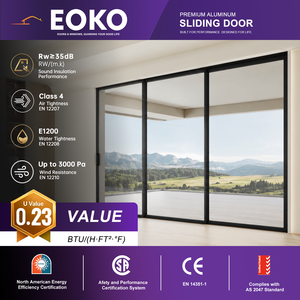
Heavy-duty lift-and-slide system designed for luxury coastal villas in Alabang and Forbes Park. Features triple-glazed Low-E argon protection and heavy-capacity track rollers.
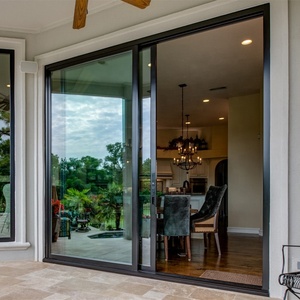
Engineered with German ROTO multipoint locking mechanisms for maximum security, airtightness, and soundproofing against Manila city noise traffic.
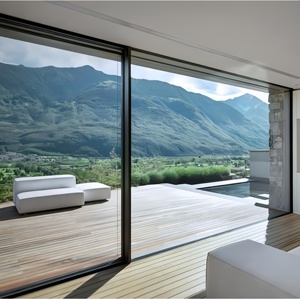
Sleek modern sliding door with thermal breaks and high-performance weather stripping to prevent rainwater penetration during tropical monsoons.
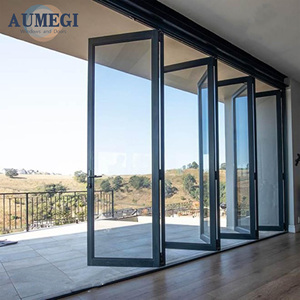
Offers wide span openings for resort-style indoor-outdoor living, rooftop lounges, and commercial restaurant entrances across Metro Manila.
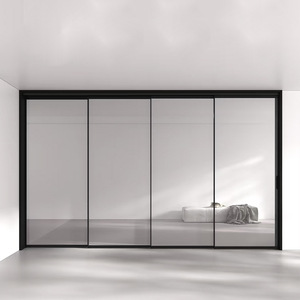
Ultra-narrow 20mm visible sightlines paired with concealed threshold drainage. Ideal for penthouse suites in Makati CBD with panoramic urban views.
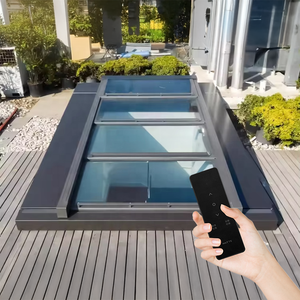
Motorized roof glass skylight providing automated ventilation and daylighting for modern tropical residential stairs and courtyard roofs.
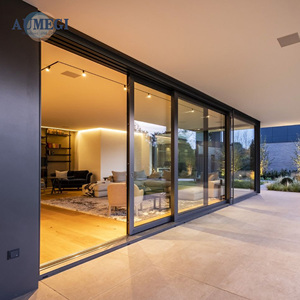
Multi-panel sliding glass wall with custom powder-coated finishes, suitable for flexible commercial office dividers and terrace enclosures.
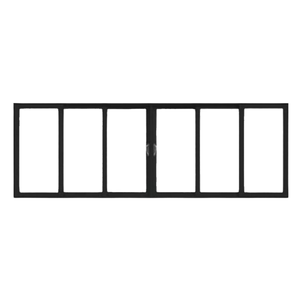
High-strength extruded alloy profiles built to withstand repetitive structural use in high-occupancy commercial and residential complexes.
Why Standard Off-the-Shelf Glass Facades Fail in Tropical Island Metropolises
The National Structural Code of the Philippines (NSCP 2015) categorizes Metro Manila under Zone 1 wind loading requirements, where design wind speeds reach up to 250–300 km/h (3.0 to 3.8 kPa pressure). Our factory-engineered stick and unitized curtain wall systems undergo EN 12211 positive and negative wind load testing to ensure zero structural deflection or structural sealant failure during extreme typhoon surges.
Metro Manila experiences continuous solar irradiation with ambient temperatures averaging 32°C–38°C year-round. Standard clear glass results in extreme HVAC cooling loads. Sourcing glass facades with double Low-E silver coating, argon gas infill, and a Solar Heat Gain Coefficient (SHGC) ≤ 0.23 drops interior solar radiation by up to 75%, significantly lowering operational electricity expenditures for high-rise developments.
Developments along Manila Bay, Pasay City reclamation, and Roxas Boulevard are constantly exposed to airborne sea salts and high relative humidity (over 85%). Standard aluminum finishes rapidly corrode. Our suppliers utilize marine-grade Qualicoat Class 2 Architectural Powder Coating (min. 60–80 μm) and 25-micron anodization treatments to withstand 3,000+ hours of continuous salt spray testing without pitting or film blistering.
Situated on the West Valley Fault system and the Pacific Ring of Fire, Metro Manila infrastructure requires flexible structural joints. Factory-assembled unitized glass facades incorporate split-mullion interlocking designs with high-performance EPDM gaskets, accommodating up to ±25mm lateral inter-story displacement without glass-to-aluminum contact or waterseal damage during seismic events.
Monsoon downpours in Metro Manila frequently overload static window sealants. Our engineered facade systems employ pressure-equalized rain-screen technology. Internal drainage chambers channel intruding wind-driven water safely out through concealed weeping slots, satisfying EN 1027 Watertightness standards up to 1050 Pa.
With heavy traffic along EDSA, C-5, and LRT/MRT transit corridors, sound insulation is paramount for luxury residential condominiums and Grade-A office buildings. Incorporating laminated glass with acoustic PVB interlayers reduces exterior environmental noise by over 40 decibels, fostering quiet interior spaces.
Technical comparison of facade configurations offered for Manila commercial and residential projects
| Facade / Window System Type | Thermal Transmittance (U-Value) | Solar Heat Gain (SHGC) | Wind Resistance (EN 12211) | Installation Speed on Site | Recommended Manila Application |
|---|---|---|---|---|---|
| Unitized Glass Curtain Wall | 1.2 – 1.6 W/m²K | 0.20 – 0.25 | ≥ 3.5 kPa (Super Typhoon) | Ultra-Fast (Crane-Lifted) | BGC & Makati High-Rise Commercial Towers |
| Stick Structural Silicone Curtain Wall | 1.5 – 1.9 W/m²K | 0.24 – 0.28 | 2.5 – 3.0 kPa | Moderate (Scaffolding/Rope) | Mid-Rise Commercial & Podium Retail Envelopes |
| Thermal Break Lift & Slide Doors | 1.3 – 1.8 W/m²K | 0.22 – 0.30 | 2.0 – 2.5 kPa | Standard Site Fitting | Luxury Penthouse & Villa Terraces (Alabang/Forbes) |
| Slim Minimalist Sliding Glass Facade | 1.4 – 2.0 W/m²K | 0.25 – 0.32 | 1.8 – 2.2 kPa | Precision Anchor Fitting | Boutique Waterfront Villas & Executive Lounges |
| Bioclimatic Pergola & Guillotine Glass | Non-Insulated / Shading | N/A (Louvered Shading) | Class 3 Wind Rating | Rapid Assembly | Rooftop Bars & Hotel Outdoor Dining (Pasay/BGC) |
Tailoring structural glass specifications to specific urban districts and micro-environments
High-rise corporate headquarters and luxury residential sky-villas in BGC and Makati demand sleek, uniform aesthetic lines coupled with high energy efficiency. Unitized glass curtain walls featuring 4-side structural silicone glazing allow for off-site pre-assembly in factory controlled environments. Pre-installing glass panels in crates guarantees zero site glass breakage and allows rapid floor-by-floor panel mounting using tower cranes, keeping projects on schedule amidst tight urban logistics.
Projects constructed on reclaimed land along Manila Bay face a double challenge: intense salt-laden sea air and dynamic soil settlement conditions. Facades in Pasay must utilize high-grade 6063-T6 extruded aluminum profiles with PVDF fluorocarbon paint finishes that resist marine degradation. Thermally broken sliding doors and unitized curtain wall mullions must incorporate seismic expansion sleeves to absorb building movement without compromising water seal integrity.
Luxury private villas in gated communities prioritize unobstructed view corridors, indoor-outdoor integration, and whispering-quiet operation. Triple-glazed Low-E lift-and-slide doors and minimalist polymer-track hidden frame sliding systems are specified for wide living room verandas. Stainless steel AISI 316 multi-point locking hardware ensures zero rust formation despite high humidity levels.
BPO office buildings, IT parks, and mixed-use commercial centers require glass facade envelopes that maximize natural daylighting (High Visible Light Transmittance ≥ 50%) while blocking infrared solar energy. Low-E double-glazed insulated units (IGUs) filled with 90% Argon gas prevent perimeter interior zones from overheating, directly slashing air-conditioning power consumption for 24/7 BPO operations.
Aligning international facade manufacturing standards with Philippine green construction regulations
The Philippine Green Building Code (PGB Code) along with local certification frameworks like BERDE (Building for Ecologically Responsive Design Excellence) and IFC EDGE have transformed procurement criteria for developers such as Ayala Land, SM Prime, Megaworld, and Robinsons Land. Modern glass facades are no longer evaluated solely on initial material price; life-cycle performance and carbon footprint reduction govern tender awards.
Factory partners supplying the Manila market are integrating polyamide thermal break strips (PA66GF25) within aluminum extrusions to break the thermal bridge between hot exterior air and cooled interior spaces. Combined with smart electrochromic tinting glass and integrated motorized roof hatches for natural stack-effect ventilation, imported facade assemblies are helping Manila commercial towers earn LEED Gold and Platinum ratings.
Why leading Philippine developers rely on direct factory engineering partnerships
Extruded aluminum profiles strictly adhere to EN 12020-2 dimensional tolerances. Every window and curtain wall series undergoes mandatory EN 1026 (air permeability), EN 1027 (watertightness), and EN 12211 (wind load resistance) third-party laboratory verification before shipment.
Our technical team translates architectural PDF/DWG drawings into detailed factory shop drawings, 3D structural mullion calculations, wind-pressure stress models, and complete bills of quantities (BOQ) within 72 hours of project submission.
To survive 15–25 days of ocean freight to Manila South Harbor or Manila North Harbor (MICP), all glass units and aluminum frames are vacuum-sealed, corner-protected, and packed into fumigated ISPM-15 heavy wooden crates with internal desiccant packs.
Direct answers to technical, logistical, and compliance questions common among Philippine buyers
Our technical team evaluates the wind speed zone of your specific site in Metro Manila (ranging from 250 km/h to 300 km/h per NSCP 2015). We calculate mullion moment of inertia (Ix, Iy) and glass stress limits, providing signed structural calculation reports and EN 12211 test certificates to verify wind load safety before production.
Production lead time generally ranges between 25 to 35 days depending on profile finish (powder coating vs. anodizing) and glass processing (tempering, laminating, double-glazing). Ocean freight transit from major manufacturing ports to Manila South Harbor or MICP takes approximately 7 to 12 days.
Yes. Systems designed for the Philippine market feature continuous EPDM weather gaskets, pressure-equalized rainscreen channels, and heavy-duty multipoint hardware systems from brands like ROTO and STAC. Systems achieve watertightness up to 1050 Pa (EN 1027), ensuring zero water ingress during severe tropical storms.
For coastal areas exposed to salt spray within 5 km of Manila Bay, we strictly recommend Qualicoat Class 2 / Class 3 Architectural Powder Coating (min. 60–80 µm thickness) or PVDF fluorocarbon coating (min. 3-coat system). These coatings resist color fading, salt pitting, and chalking for up to 20 years.
A double-glazed insulated unit (IGU) consisting of 6mm High-Transmittance Low-E Tempered Glass + 12mm Argon Gas Spacer + 6mm Clear Tempered Glass yields an optimal SHGC below 0.23 and a U-value under 1.4 W/m²K. This setup significantly reduces HVAC power usage while maintaining bright daylighting inside the workspace.
Yes. We accommodate consolidated project shipments combining thermal-break casement windows, minimal sliding doors, bi-fold doors, glass skylights, and architectural hardware into a single FCL (Full Container Load) to minimize logistics costs for general contractors and private developers.
All glass panels are isolated with shock-absorbing rubber pads, corner-wrapped with high-density foam, shrink-wrapped in moisture-barrier film, and packed into reinforced steel-strapped wooden crates. Crates are clearly labeled with elevation codes so site crews in Manila can unpack units in installation sequence floor by floor.
Yes. Every order is supplied with full CAD shop drawings, bracket anchorage details, perimeter silicone sealing instructions, and step-by-step video installation manuals. We also offer remote engineering support to assist your local installation contractor throughout the erection process.
Send us your DWG/PDF architectural elevation plans, window schedules, or project specifications. Our facade engineering team will generate a complete bill of quantities, structural wind load analysis, and factory pricing quotation within 72 hours.
