Engineered for high wind load resistance, thermal isolation, and superior acoustic attenuation. Directly supplied and exported with global project engineering support.
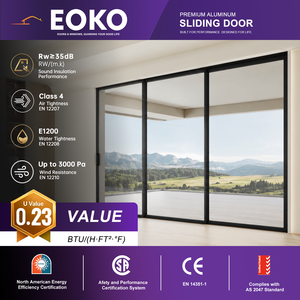
Ultra-smooth lift-and-slide mechanism engineered for expansive openings up to 400kg per sash. Features NFRC-certified multi-cavity thermal break profiles and Low-E double/triple glazing options to minimize solar heat gain in Brazilian high-end villas.
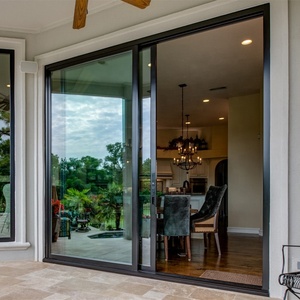
Combining German ROTO multi-point hardware with impact-resistant UPVC vinyl profiles. Specifically designed for coastal Brazil environments where salt spray, extreme humidity, and severe wind pressures demand maximum corrosion resistance and airtight sealing.
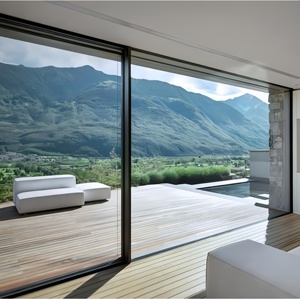
Sleek contemporary sliding glass door system tailored for modern Brazilian apartment balconies and luxury residences. Delivers optimal balance between acoustic insulation (Rw 38dB) and high thermal efficiency to reduce air conditioning energy usage.
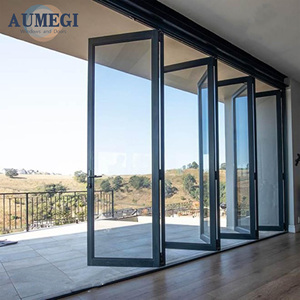
Flexible vertical and horizontal folding track mechanisms creating seamless transitions between indoor living rooms and outdoor verandas. Built with heavy-duty extrusion profiles, thermal breaks, and integrated stainless steel roller bearings for flawless operation.
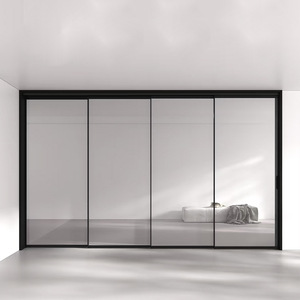
Architectural minimalist sliding system featuring sub-floor recessed outer frames and a 20mm visible vertical interlock profile. Offers uninhibited panoramic garden vistas, exceptional windproof structure, and premium interior luxury aesthetics.
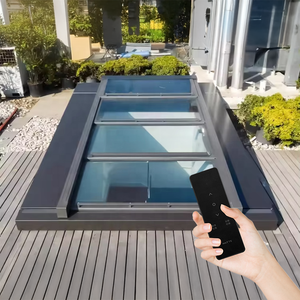
Automated, motorized electric retractable roof glass hatch designed for luxury stair access, flat roofs, and outdoor penthouses. Built with laminated toughened double glazing, IP65 waterproof motors, and automated rain sensor integration.
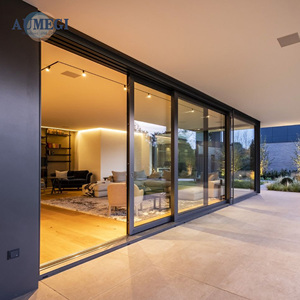
Multi-panel 4-track modular patio sliding system offering flexible opening configurations for extensive residential verandas and commercial office partitions. Includes high-durability anodized track runners and anti-lift safety hardware.
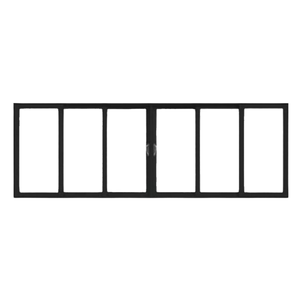
Versatile architectural double glazed door unit engineered for heavy foot traffic in corporate hubs and modern home offices. Features reinforced corner crimping, continuous EPDM weather gaskets, and high sound isolation properties.
From the tropical humidity of the Northeast coast to the bustling metropolitan density of São Paulo, fenestration specs must be precisely tuned to local microclimates and structural standards.
High-density metropolitan developments require maximum acoustic attenuation (Rw 38–45 dB) to combat heavy traffic noise, alongside Low-E double glazing with low Solar Heat Gain Coefficients (SHGC < 0.35). This combination keeps interior environments quiet while dramatically cutting air conditioning loads in luxury residential towers.
Coastal developments face severe atmospheric salinity and torrential tropical downpours. Our systems utilize Qualanod-grade anodized profiles (min 20–25µm) or PVDF powder coatings (min 60–80µm), paired with dual continuous EPDM gasket sealing systems tested to EN 1027 water tightness standards up to 900 Pa.
Southern Brazilian regions experience sharp winter temperature dips. Polyamide thermal break profiles (24mm to 34mm width) combined with warm-edge spacers and argon gas filling lower the overall window U-value (Uw < 1.3 W/m²K), eliminating internal glass condensation and keeping interior heating stable.
How international double glazing technology meets evolving Brazilian building performance regulations and architectural preferences.
The Brazilian standard NBR 15575 (Edificações Habitacionais — Desempenho) mandates strict thermal, acoustic, and structural minimums for residential building envelopes. Importing certified double glazed systems ensures projects effortlessly pass local municipal audits and structural sign-offs.
Modern luxury developments in Brazil demand expansive floor-to-ceiling glass openings with minimal profile interference. Thermally broken sub-frame profiles allow architectural sightlines down to 20mm while maintaining high structural resistance against wind gusts.
Commercial developers in Brazil are increasingly targeting LEED Gold/Platinum and EDGE green building certifications. Specifying double glazed units with spectrally selective Low-E coatings directly contributes to the building envelope energy score by reducing solar radiation gain.
Comprehensive performance parameters tailored for specification engineers, procurement directors, and master architects exporting to Brazil.
| System Type | Profile Depth | Glazing Assembly | Thermal Value (Uw) | Acoustic Rating | Wind Load (EN 12211) | Target Regional Use in Brazil |
|---|---|---|---|---|---|---|
| Lift-and-Slide Thermal Break | 76mm - 110mm | 6mm Low-E + 12Ar + 6mm Clear | 1.1 - 1.4 W/m²K | Rw 42 dB | Class C5 (2.5 kPa) | Luxury coastal villas, penthouse terraces |
| Minimalist Hidden Frame Sliding | 120mm Sub-floor | 8mm Toughened + 16Ar + 8mm Low-E | 1.3 - 1.6 W/m²K | Rw 39 dB | Class C4 (2.0 kPa) | São Paulo & Rio high-end condos |
| Casement & Tilt-Turn Window | 65mm - 75mm | 5mm Clear + 14Ar + 5mm Low-E | 1.0 - 1.3 W/m²K | Rw 44 dB | Class E1050 (Water 1050Pa) | Southern highlands (Curitiba frost zones) |
| Heavy-Duty UPVC Sliding Door | 70mm - 88mm | 6mm Tinted + 12A + 6mm Clear | 1.4 - 1.8 W/m²K | Rw 37 dB | Class C3 (1.5 kPa) | Northeast beachfront developments |
| Bi-Fold Patio Door System | 75mm Frame | 6mm Low-E + 14Ar + 6mm Toughened | 1.3 - 1.5 W/m²K | Rw 40 dB | Class C4 (2.0 kPa) | Resort verandas, commercial indoor-outdoor space |
Combining European engineering precision with competitive export manufacturing economics to deliver uncompromised architectural glass facade systems.
Operating from Turkey’s premier industrial extrusion cluster, ALUCCO provides direct shipping routes to major Brazilian sea ports including Santos, Paranaguá, and Rio de Janeiro. Every project is overseen by dedicated facade engineers who verify wind load requirements, U-value targets, and hardware longevity prior to production.
Addressing logistics, customs, performance standards, and structural specifications for Brazilian procurement directors.
Our aluminum and UPVC double glazed systems are tested under European EN standards (EN 1026, 1027, 12211) which exceed the mechanical, acoustic, and thermal requirements of NBR 15575. We supply full technical dossiers, lab test reports, and glass performance sheets with every export order to streamline local municipal approval in Brazil.
For coastal applications, we recommend 6mm spectrally selective Low-E toughened outer glass + a 14mm argon-filled cavity + 6mm clear laminated inner glass. Combined with Qualanod anodized frames, this setup provides protection against ocean spray corrosion, limits heat entrance (low SHGC), and prevents dangerous glass shatter during tropical storms.
Production typically takes 20 to 30 business days depending on order volume and custom powder coat finishes. Direct container shipping (FCL) from Istanbul/Mersin ports to Port of Santos or Paranaguá takes approximately 22 to 28 ocean days. All shipments are insured and secured in fumigated ISPM-15 wooden crates.
Yes. Thermal break aluminum profiles allow dual-color finishes—for example, a dark grey (RAL 7016) textured exterior to match the facade architecture, and a clean matte white (RAL 9016) interior to match indoor decor. Custom dies for proprietary extrusion systems can also be engineered upon project request.
To achieve high acoustic insulation (Rw > 42 dB), we combine asymmetric glass thicknesses (e.g., 8mm outer glass with 6mm inner glass) separated by an argon gas space and PVB acoustic interlayers. Asymmetric glass breaks sound wave resonance far more effectively than symmetric double glazing.
We provide full export documentation required by Brazilian customs (Receita Federal), including commercial invoices with correct NCM/HS codes, packing lists detailing crate breakdown and weight, Bill of Lading (B/L), Certificate of Origin, and technical compliance certificates.
Send us your architectural elevations, window schedules, or project drawings. Our engineering team will review your wind load and thermal requirements and deliver a comprehensive factory-direct proposal within 72 hours.
