Engineered for high thermal insulation, structural integrity, and modern European architectural compliance.
Detailed analysis of climate requirements, energy regulations, structural wind load factors, and direct factory procurement strategies for Serbian commercial and residential developments.
Serbia—specifically key metropolitan centers such as Belgrade (Beograd), Novi Sad, and Niš—is undergoing an unprecedented commercial and high-density residential real estate surge. Major projects like Belgrade Waterfront (Beograd na Vodi) and sprawling IT office complexes in New Belgrade require state-of-the-art aluminum curtain walls engineered to European building codes (Eurocode EN 1991 for wind actions).
Serbia experiences extreme seasonal weather swings: freezing Pannonian winters dropping below -15°C and dry, hot summers exceeding +40°C, accompanied by intense Košava wind gusts. Façade systems deployed across Serbia must feature advanced polyamide thermal breaks (PA66 GF25) to prevent thermal bridging and satisfy the stringent Serbian Rulebook on Energy Efficiency of Buildings (Pravilnik o energetskoj efikasnosti zgrada).
While local Serbian fabricators supply standard window extrusions, high-volume commercial developments demand direct sourcing from mega-capacity aluminum extrusion clusters like Turkey. Backed by seamless customs transit routes (CEFTA & TIR corridors), high-volume direct factory sourcing guarantees significant cost savings without sacrificing EN 12020-2 structural tolerances.
A comprehensive engineering breakdown evaluating structural framing typologies, thermal performance parameters, and envelope suitability for Serbian construction specifications.
| System Typology | Structural Profile Depth | Thermal Transmittance (Ucw) | Acoustic Insulation (Rw) | Primary Application Scenario |
|---|---|---|---|---|
| Stick Curtain Wall (Pressure Capped) | 50mm – 60mm Visible Face Width | 1.2 – 1.6 W/m²K | 38 dB – 45 dB | Low-to-mid-rise commercial buildings, institutional headquarters, retail plazas in Belgrade & Niš. |
| Structural Silicone Glazing (SSG) | Seamless Flush Glass Exterior | 1.1 – 1.5 W/m²K | 40 dB – 48 dB | Modern corporate office towers, luxury hotels, sleek architectural facades requiring continuous glass reflection. |
| Unitized Cassette Curtain Wall | 150mm – 250mm Depth Modules | 0.85 – 1.2 W/m²K | 42 dB – 52 dB | High-rise residential and commercial towers (>50m height), fast-track developments minimizing on-site scaffolding. |
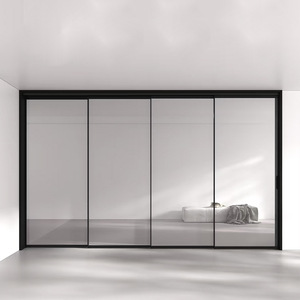
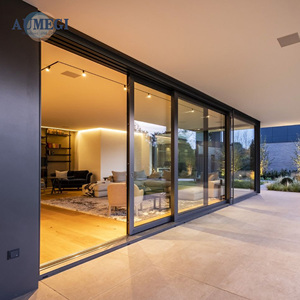
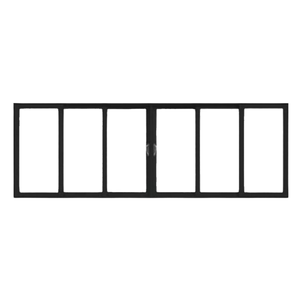
| Thermal Break Lift & Slide Systems | 76mm – 110mm Frame Depth | 0.9 – 1.4 W/m²K | 36 dB – 42 dB | Penthouse terraces, luxury residential villas in Dedinje & Senjak, resort hospitality applications. |
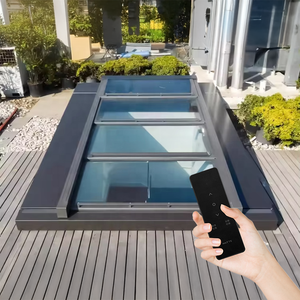
| Bioclimatic & Motorized Pergola Enclosures | 150mm – 200mm Heavy Beams | N/A (Solar Shading) | N/A (Wind Class 3) | Outdoor restaurant terraces along Belgrade riverbanks (Splavovi), hotel outdoor dining, high-end residential patios. |
Aluminum is inherently conductive. To meet Serbian energy performance mandates ($U_w \le 1.4 \text{ W/m}^2\text{K}$), our curtain walls integrate multi-chamber polyamide struts reinforced with 25% glass fiber. This isolates external thermal radiation from internal building climate, eliminating condensation risks during damp Pannonian winters.
We specify advanced glass configurations incorporating double Low-E coatings (soft coat), warm-edge composite spacers, and 90% Argon gas filling. This yields exceptional solar heat gain coefficients ($g\text{-value} \approx 0.35$) while maximizing daylight permeability ($TL > 70\%$).
Pressure-equalized drainage tracks backed by continuous EPDM (Ethylene Propylene Diene Monomer) vulcanized gaskets guarantee watertightness even during driven rain events. Systems undergo cycle testing up to 750 Pa under EN 1027 standard testing.
How specialized curtain wall and fenestration solutions solve specific localized engineering challenges across Serbia's diverse terrain and microclimates.
Commercial towers in dense urban centers like New Belgrade (Novi Beograd) require high acoustic attenuation ($R_w \ge 42 \text{ dB}$) to suppress traffic noise from major arteries like the A1 highway and Brankov Bridge. Unitized structural silicone curtain walls with laminated acoustic glass ensure peaceful working environments while maximizing natural daylight for LEED certification points.
Industrial parks situated along the E-75 highway (Inđija, Stara Pazova, Šimanovci) demand high-durability stick curtain walls combined with Aluminum Composite Panel (ACP) cladding. Our 4mm PVDF coated aluminum panels resist environmental degradation, UV exposure, and industrial chemical dust, providing maintenance-free longevity for logistics centers.
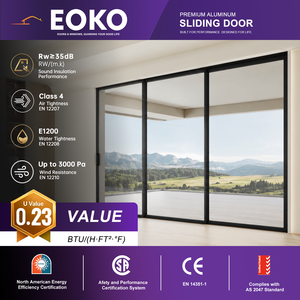
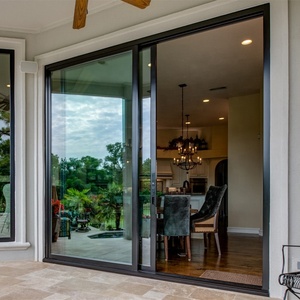
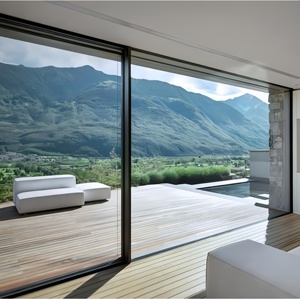
Exclusive residential developments in Dedinje, Senjak, and along the Danube and Sava rivers emphasize unobstructed views. Our minimal-frame lift-and-slide glass doors feature sightlines as narrow as 20mm while handling sash weights up to 400 kg. High-insulation profiles ensure microclimatic comfort against severe winter winds rising from the rivervalleys.
Analyzing key legislative shifts, sustainable technology integration, and economic factors accelerating curtain wall adoption in the Western Balkans.
Under current Serbian construction regulations, new buildings cannot receive occupancy permits without achieving an Energy Passport Class C or higher. High-performance aluminum curtain wall systems featuring low-emissivity triple glazing directly lower heating and cooling energy usage, ensuring effortless compliance with municipal building audits.
Foreign institutional investors powering Serbia's logistics and commercial property market now mandate international green certifications. Sourcing fully documented aluminum profiles produced under ISO 14001 environmental management and featuring recyclable 6060 T6 aluminum alloy contributes significantly toward green building credit criteria.
Modern Serbian architects increasingly combine dynamic curtain wall facades with external motorized bioclimatic louvers and pergola enclosures. This hybrid approach offers active solar gain control during scorching Pannonian summers, reducing air-conditioning loads by up to 35% without blocking ambient architectural lighting.
Eliminating cross-border procurement friction through certified manufacturing, rigorous quality control, and end-to-end technical support.
Every profile system exported is engineered to EN 12020-2 strict tolerances. We furnish complete technical dossiers containing third-party laboratory test reports for air permeability (EN 1026), water tightness (EN 1027), and wind resistance (EN 12211), ensuring smooth approval by Serbian structural engineers (*nadzorni organi*).
We do not impose static catalog limitations. Our structural design team reads your architectural DWG/BIM elevations, verifies destination wind load calculations, calculates precise U-values, and custom extrudes, cuts, and pre-prepares profiles engineered specifically for your building geometry.
Long-distance overland transport to Serbia requires robust protective packaging. All unitized panels, long-length profile bundles, and fragile glazed units are secured inside ISPM-15 compliant fumigated wooden crates with elevation-coded labels for rapid, organized site unloading.
By leveraging massive Turkish aluminum production capacities and streamlined export logistics, Serbian developers benefit from factory-direct pricing that reduces total facade procurement costs by 20% to 35% compared to western European brand markups.
Clear, authoritative answers regarding standards compliance, shipping logistics, customs processing, and installation support.
Submit your architectural CAD drawings, structural specifications, or window schedules. Our senior façade engineers will deliver a comprehensive technical proposal, structural calculations, and factory-direct pricing within 72 hours.
