Direct factory-engineered fenestration and composite cladding systems tested to European standards (EN 1026, EN 1027, EN 12211) and certified for immediate import into Italy.
Technical compliance, regulatory shifts under EPBD IV, and supply chain optimization for Italian general contractors, architects (Architetti), and real estate developers.
The Italian architectural landscape is undergoing a profound structural evolution driven by the European Union’s Energy Performance of Buildings Directive (EPBD IV) and national energy efficiency directives. Modernizing Italy's diverse building stock—ranging from historical masonry structures in Florence, Rome, and Venice to contemporary commercial high-rises in Milan’s Porta Nuova district—requires an advanced synthesis of aesthetic integrity, structural lightness, and thermal insulation.
For Italian real estate developers, façade engineering firms (Progettisti di Facciate), and general contractors (Imprese Edili), sourcing high-grade Aluminum Composite Panels (ACP / ACM) and thermally broken aluminum glazing systems has transitioned from simple component procurement to a strict exercise in regulatory compliance. Projects funded under national energy incentives demand strict compliance with Criteri Ambientali Minimi (CAM) for recycled aluminum content, alongside mandatory fire safety ratings under EN 13501-1 (Class A2-s1, d0).
Partnering directly with specialized manufacturing hubs in Turkey—such as ALUCCO (GOMAX Ltd. Sti.)—provides Italian importers with an unmatched balance of European technical standards, custom profile engineering, and substantial total-cost-of-ownership (TCO) advantages over traditional Western European extruders.
Comparative evaluation of façade cladding materials and thermally broken fenestration systems tailored to Italian climate zones (Zone A to F).
| System Category | Material / Core Type | Fire Rating (EN 13501-1) | Thermal Performance (U-Value) | Corrosion & Coastal Coating | Recommended Italian Application |
|---|---|---|---|---|---|
| Fire-Rated ACP Cladding | Mineral-Filled Core (A2) | Class A2-s1, d0 | N/A (Ventilated Façade) | PVDF Kynar 500 (3-Coat) | High-rise commercial towers in Milan, public infrastructure in Rome |
| FR Mineral Composite Panel | FR Polyolefin Core (B) | Class B-s1, d0 | N/A (Rain-screen system) | FEVE / HD Polyester | Mid-rise residential retrofits, industrial parks in Veneto & Lombardy |
| Thermal Break Casement Window | 60–75mm Profile / Polyamide | Class E / Non-combustible frame | Uw 1.3 – 1.8 W/m²K | Qualicoat Class 2 / Anodized 20μm | Urban residential apartments, historic building renovations |
| High-Insulation Triple Glazing | 80–95mm Profile / 34mm Strip | Class E / Non-combustible frame | Uw 0.9 – 1.2 W/m²K | Qualicoat Seaside Grade | Alpine residential villas in Trentino, Aosta Valley & Piedmont |
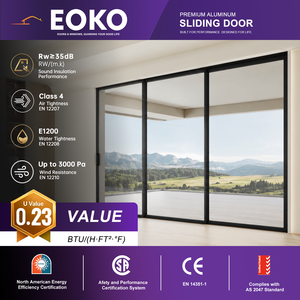
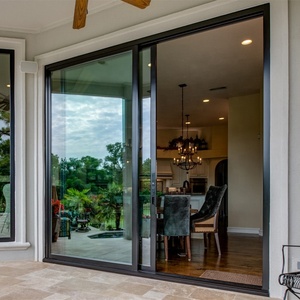
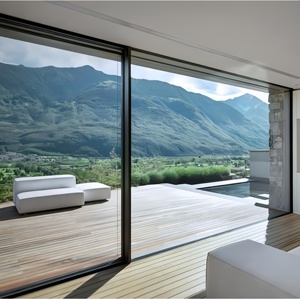
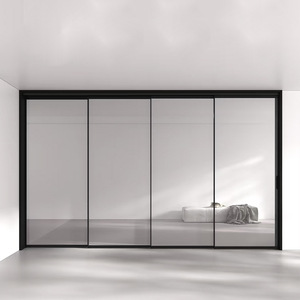
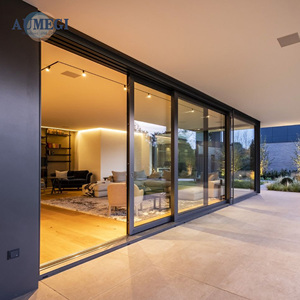
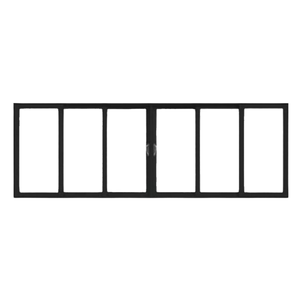
| Slim Minimalist Sliding Door | Minimal Aluminum Frame (20mm) | Class E / Tempered Glass | Uw 1.4 – 2.0 W/m²K | C5-M Coastal Anti-Corrosion | Luxury coastal villas along Amalfi Coast, Liguria & Sardinia |
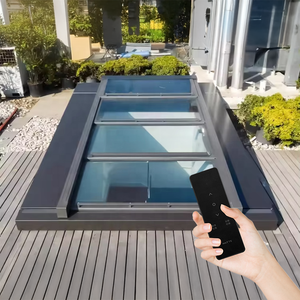
| Bioclimatic Pergola System | Heavy-Duty Extruded 6063-T6 | Non-combustible | Structural Snow/Wind load | Qualicoat Powder Coating | Hospitality terraces, resort outdoor spaces in Sicily & Puglia |
Tailoring facade cladding and fenestration performance to regional environmental factors and architectural typologies.
Metropolitan northern Italy demands strict compliance with energy efficiency targets. Integrating 4mm A2-grade aluminum composite panels within ventilated rain-screen envelopes dramatically upgrades thermal performance while maintaining ultra-clean, modern aesthetics required for commercial headquarters in Lombardy.
Saline mist along Mediterranean coastlines induces rapid pitting corrosion on standard aluminum profiles. Utilizing standard Qualicoat Seaside-certified powder coatings and C5-M anodized finishes guarantees that sliding glass doors and cladding resist salt spray degradation for over 25 years.
Historical city centers require strict visual harmony with surrounding masonry. Custom architectural extrusions with wood-sublimation finishes and ultra-slim sightlines allow developers to replace aging windows with thermal break systems without violating municipal aesthetic restrictions.
Italy's NTC 2018 structural safety standards dictate strict drift limits for non-structural envelope elements. Our unitized curtain walls and flexible ACP mounting brackets absorb inter-story seismic displacements up to 2.5 kPa wind pressure without frame racking.
Key drivers impacting material selection, environmental certification, and cross-border manufacturing partnerships.
The Italian Ministry of Ecological Transition mandates Criteri Ambientali Minimi (CAM) for all public tenders. Building materials must specify recycled content percentages and provide Environmental Product Declarations (EPD). Turkish manufacturers supplying raw aluminum profiles extruded with low-carbon billet satisfy these strict procurement clauses.
As the emergency Superbonus 110% transitions into structured long-term fiscal credits, Italian general contractors are prioritizing cost-effective supply chains. Importing high-insulation triple-glazed windows (Uw ≤ 1.0) directly from factory hubs reduces material expenses while meeting mandatory building energy classification upgrades.
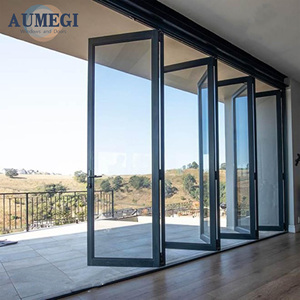
Modern residential luxury developments across Milan, Bologna, and Verona overwhelmingly favor ultra-thin aluminum sightlines (20mm interlock profiles) paired with expansive floor-to-ceiling glass. Concealed frame mechanics, pocket sliding doors, and frameless bi-fold assemblies represent the fastest-growing fenestration segment.
Bridging Turkish manufacturing excellence with rigorous European technical expectations for seamless project execution.
Every batch of aluminum profiles complies with EN 12020-2 dimensional tolerances. Supplied fenestration systems hold official EN 1026 (air permeability), EN 1027 (watertightness), and EN 12211 (wind load resistance) test dossiers.
Operating from Turkey's primary aluminum industrial clusters, maritime freight to major Italian ports—such as Genoa, Trieste, Salerno, and Venice—takes only 3 to 5 transit days, eliminating long Pacific shipping delays.
Our in-house facade engineering team reviews architectural DWG/PDF schedules, performs wind load calculations, flags profile collisions, and prepares optimized Bills of Quantities (BOQ) within 72 hours.
Addressing technical, legal, and operational inquiries regarding composite panel imports and custom system manufacturing.
Depending on profile depth, polyamide thermal break strip width (ranging from 24mm to 34mm), and glazing specification, our systems achieve Uw values from 1.8 W/m²K with standard double glazing down to 0.9 W/m²K with triple-glazed Low-E units and warm-edge spacers. This fully complies with strict energy performance mandates in Northern Italy (Zona Climatica E & F).
Yes. For high-rise commercial structures and public buildings across Italy where non-combustible cladding is strictly mandated by fire safety codes, we supply Mineral-Core A2 Aluminum Composite Panels tested according to EN 13501-1 (Class A2-s1, d0). For mid-rise residential builds, Class B-s1, d0 fire-retardant panels are also available.
Under the EU-Turkey Customs Union agreement, industrial goods including manufactured aluminum profiles and composite panels enter Italy duty-free when accompanied by an A.TR movement certificate or EUR.1 origin documentation. We prepare all customs-compliant commercial invoices, packing lists, and HS-coded documentation prior to container dispatch.
We operate on a flexible project-basis rather than enforcing rigid single-item piece counts. A consolidated container load—combining thermal break windows, slim sliding doors, composite panels, and hardware accessories for a single villa development or commercial floor—is our standard starting point for maximum freight efficiency.
Every aluminum profile frame and ACP sheet undergoes protective PE film application. Assembled window units are fitted with impact-resistant corner protectors, film-wrapped, and loaded into ISPM-15 fumigated heavy-duty wooden crates. Glass units are packed in reinforced A-frames with internal silica gel desiccant packs to prevent condensation damage during maritime transit.
Absolutely. We offer full Qualicoat-certified architectural powder coating in any RAL or NCS reference (minimum 60μm thickness), anodized finishes up to 25μm, textured metallic surfaces, and sublimation wood-grain finishes. For projects located within 1 km of the Italian coastline, Qualicoat Seaside grade pre-treatment is automatically applied.
Submit your architectural elevations, window schedules, or composite panel specifications to receive a comprehensive technical proposal, profile sections, U-value calculations, and competitive factory pricing within 72 hours.
