Rigorous European-tested window, door, and curtain wall profile systems precision-engineered for commercial developments and luxury residential estates in Thailand.
An engineering guide to structural integrity, thermal transmittance reduction, solar radiation defense, and moisture resistance in South East Asian architectural envelopes.
When procuring facade systems and thermal-break fenestration for modern architectural projects across Bangkok, Phuket, Pattaya, and the Eastern Economic Corridor (EEC), structural engineers and developers face severe micro-climatic pressures. Thailand’s tropical savanna climate demands facade panels and curtain wall profiles capable of surviving relentless solar irradiance, severe thermal expansion cycles, high seasonal relative humidity (averaging 75% to 85%), and intense monsoon wind loads up to 2.4 kPa.
Navigating cross-border supply chains for high-rise commercial towers and ultra-luxury private villas requires absolute compliance with certified manufacturing standards. **CE Certification under EN 13830 (for curtain walling) and EN 14351-1 (for exterior windows and doors)** guarantees that aluminum profiles, thermal breaks, and structural glass assemblies adhere to stringent European safety, structural, and environmental mandates. Partnering with certified facade panel factories ensures that your structural envelope eliminates thermal bridging, prevents water infiltration under heavy rainfall, and maintains dimensional stability over a 30+ year lifecycle.
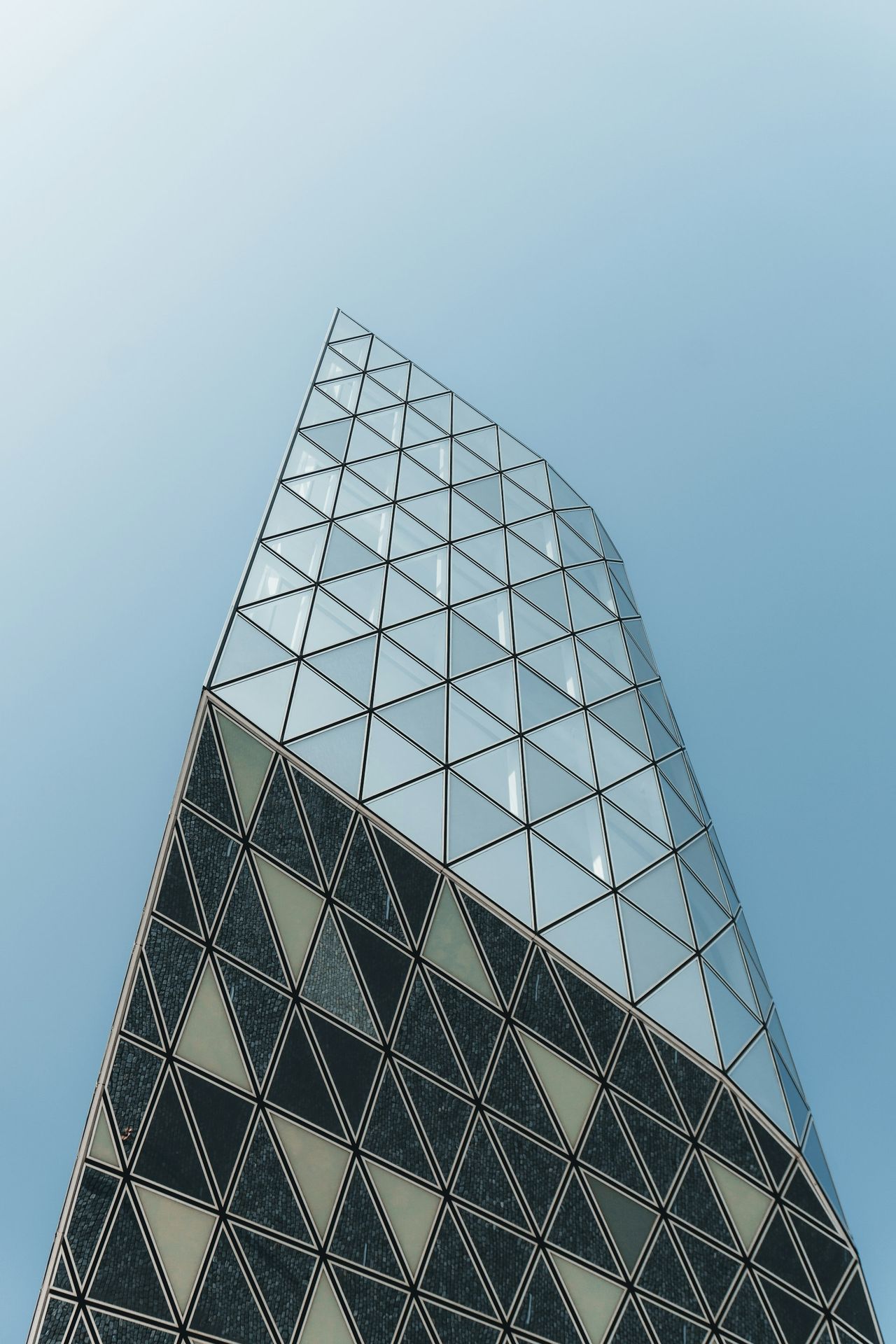
The table below illustrates verified test parameters under European Norm (EN) test standards specifically targeted for high-humidity, high-temperature, and coastal conditions.
| System Type | Frame Depth / Sightline | Thermal Transmittance (Uw) | Watertightness (EN 1027) | Wind Resistance (EN 12211) | Surface Treatment Spec |
|---|---|---|---|---|---|
| Thermal Break Casement & Tilt-Turn | 60 – 75 mm | 1.3 – 1.8 W/m²K | Class 9A (600 Pa) | Class C4 (1600 Pa) | PVDF 3-Coat / Qualicoat Class 2 |
| High-Insulation Triple Glazed System | 80 – 95 mm | 0.9 – 1.2 W/m²K | Class E750 (750 Pa) | Class C5 (2000 Pa) | Fluoropolymer 70% Kynar 500 |
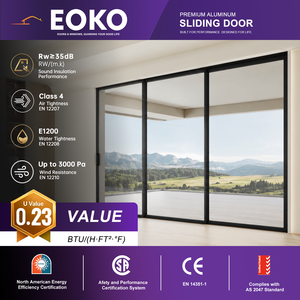
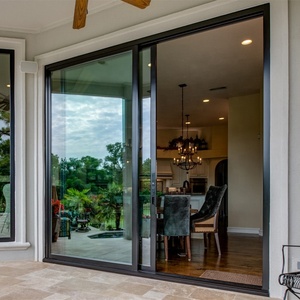
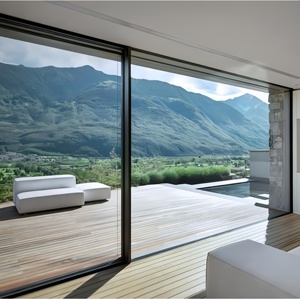
| Slim Minimalist Sliding Glass Door | Interlock from 20 mm | 1.4 – 2.0 W/m²K | Class 7A (300 Pa) | Class C3 (1200 Pa) | 25 µm Marine Anodized / PVDF |
| Lift & Slide Heavy-Duty Villa Door | 76 – 110 mm | 1.2 – 1.6 W/m²K | Class 9A (600 Pa) | Class C4 (1600 Pa) | RAL Powder Coating ≥ 60 µm |
| Unitized / Stick Curtain Wall Panel | 50 / 60 mm module | 1.4 – 1.9 W/m²K | RE 1200 (1200 Pa) | Design Pressure ≥ 2.4 kPa | Qualicoat Seaside Certified |
From bustling urban high-rises in Sukhumvit to oceanfront luxury retreats in Samui, explore how custom aluminum facade panels perform in local environments.
Metropolitan Bangkok experiences high solar heat gain and dense urban acoustics. Utilizing **unitized curtain walls with low-E glass and PA66GF25 polyamide thermal breaks** reduces interior cooling energy loads by up to 32% while delivering STC sound attenuation up to 42 dB against traffic noise.
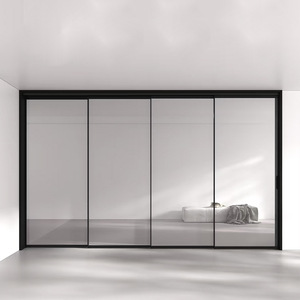
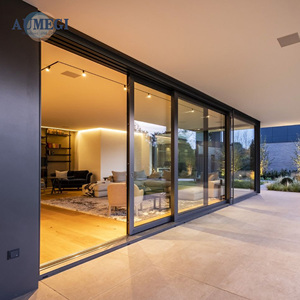
Coastal environments demand resistance against high wind loads and salt-spray corrosion (Class C5-M). We engineer **heavy-duty lift-and-slide glass doors and minimal-frame panoramic panels** finished with 25 µm anodization or 70% PVDF coatings to guarantee lifetime resistance against oxidation and structural deflection.
For factories and logistics centers in Rayong and Chonburi, thermal protection and speed of installation are critical. CE-certified **Aluminum Composite Panels (ACP) with A2 mineral fire-retardant cores** provide lightweight, rapidly deployable facade cladding complying with local factory safety codes.
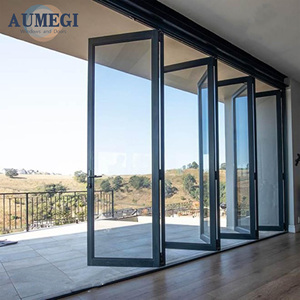
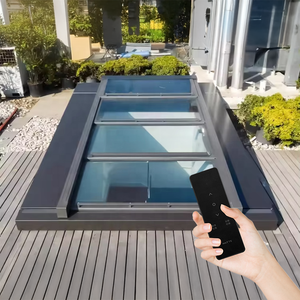
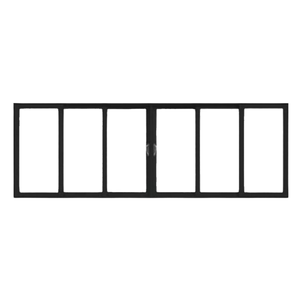
Connecting indoor comfort with outdoor greenery requires flexible opening systems. **Motorized bioclimatic pergolas with adjustable louvers and slim vertical bi-folding doors** offer adaptive rain protection and natural micro-ventilation during Northern Thailand’s dry and rainy seasons.
.webp)
The construction sector in Thailand is undergoing a rapid transition towards green building standards, spearheaded by **TREES (Thai's Rating of Energy and Environmental Sustainability)** and **LEED Gold / Platinum mandates** for multi-story commercial real estate. Key structural shifts shaping facade specification include:
Eliminating cross-border procurement risks through engineering oversight, quality control, and factory-direct export logistics.
All profile systems, thermal break polyamide strips, and glass assemblies are manufactured under strict EN 12020-2 tolerances. Certified test reports for air permeability (EN 1026), watertightness (EN 1027), and wind load (EN 12211) accompany every technical dossier.
Our structural engineering team reviews architectural DWG/PDF schedules, verifies localized wind pressure calculations for specific Thai provinces, identifies thermal profile clashes, and issues a full Bill of Quantities (BOQ) within 72 hours.
Every fenestration unit and curtain wall module undergoes 60 µm minimum powder coat thickness testing before being packed in ISPM-15 fumigated wooden crates. Units are labeled per floor elevation code for seamless site assembly in Thailand.
We combine European hardware systems (such as ROTO, STAC, and Siegenia) with high-grade aluminum extrusions. This offers maximum design flexibility for customized luxury residential sliding doors and high-capacity tilt-and-turn windows.
By producing from established aluminum manufacturing clusters, we achieve competitive factory-direct pricing without compromising metal purity (6063-T6 or 6061-T6 structural alloys) or surface finish longevity.
Accepting project-based order volumes, we consolidate windows, curtain wall profiles, ACP cladding, bioclimatic pergolas, and structural glass accessories into organized container loads (FCL/LCL) under one contract.
Addressing key questions regarding customs clearing, structural compliance, lead times, and coastal weather proofing.
CE Certification under EN 13830 and EN 14351-1 meets or exceeds Thai Industrial Standards (TISI) requirements for architectural aluminum profiles and safety glazing. Structural calculation reports, wind load test results, and raw material mill certificates are provided to facilitate municipal approval with Thai building authorities.
Yes. For coastal projects within 5 km of the ocean, we apply Qualicoat Seaside Class 2 powder coating (minimum 60–80 µm thickness) or 25 µm heavy anodization. This protects aluminum extrusions against salt spray, pitting corrosion, and surface chalking under intense UV exposure.
We prepare a complete customs export dossier including HS-coded Commercial Invoices, Packing Lists, Certificates of Origin, ISPM-15 Wood Treatment Certificates, and Bill of Lading (B/L) documents to ensure seamless import clearance at Thai ports.
We require architectural elevation drawings and window/door schedules in DWG or PDF format. Details on glazing specifications, structural wind load targets, and preferred surface finishes enable us to produce a complete system recommendation within 72 hours.
Aluminum is a highly conductive metal. Incorporating high-density polyamide (PA66GF25) thermal breaks creates a structural insulation barrier between external heat and interior spaces. Combined with Low-E double or triple glazing, this system reduces solar heat gain, lowering air conditioning power consumption by 25% to 35%.
Standard profile extrusion, surface treatment, and assembly require 25 to 35 days depending on project size. Direct container shipping from factory ports to Laem Chabang or Bangkok Port typically takes 18 to 25 days, allowing accurate site scheduling.
Submit your architectural elevations or product schedules to receive a comprehensive engineering review, system recommendation, and factory-direct price quotation within 72 hours.
