Precision-fabricated glass assemblies tested for seismic drift tolerance, extreme thermal performance, and severe UV solar radiation resilience across Chile's diverse climatic zones.
Chile presents one of the world's most demanding physical environments for structural glazing and building envelope engineering. Situated along the Ring of Fire, Chilean construction standard NCh433 (Diseño Sísmico de Edificios) mandates that architectural glass facade assemblies endure lateral displacement and dynamic inter-story drift without glazing fallout or catastrophic structural frame failure. To meet these stringent seismic norms, our structural laminated glass panels utilize high-performance SentryGlas® (SGP) and structural PVB interlayers engineered with enhanced shear modulus properties, allowing glass facades in Metropolitan Santiago, Concepción, and Valparaíso to absorb high racking loads under seismic excitation.
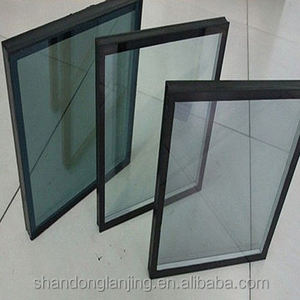
Furthermore, Chile's extreme geographic variance—stretching from the intense ultraviolet radiation of the northern Atacama Desert to the sub-frigid marine microclimates of Patagonia—requires specialized spectral selectiveness. In northern regions such as Antofagasta and Iquique, building envelopes demand low Solar Heat Gain Coefficients (SHGC < 0.24) and UV-blocking coatings to prevent thermal overload and solar glare. Conversely, central and southern zones require insulated double and triple pane IGUs engineered with low-emissivity (Low-E) soft coatings and argon gas fills to comply with the OGUC (Ordenanza General de Urbanismo y Construcciones) Article 4.1.10 thermal insulation thresholds.
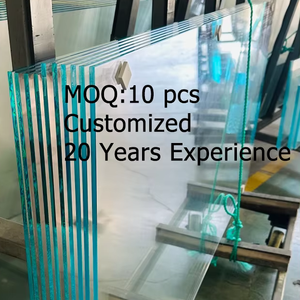
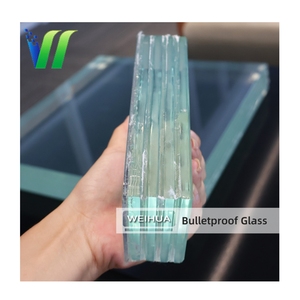
Rigid SGP/PVB laminated safety glass tested to AAMA 501.6 racking protocols, eliminating glass fallout risks under major seismic events up to magnitude 8.8+.
Triple-silver magnetron sputtered Low-E coatings optimizing visible light transmission (VLT > 65%) while rejecting up to 78% of total solar heat gain.
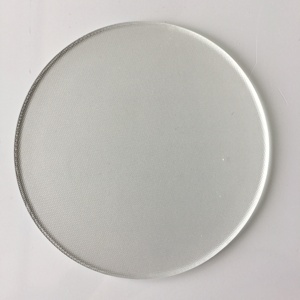
Ultra-clear woven textured photovoltaic tempered glass engineered for building-integrated solar energy harvesting across high-irradiance mining and office towers.
Comparative performance metrics of primary architectural glass configurations engineered for import into Valparaíso and San Antonio ports.
| Glass Configuration | U-Value (W/m²K) | SHGC Rating | Seismic Rating | Primary Application in Chile |
|---|---|---|---|---|
| Double Insulated Low-E (6mm + 12Ar + 6mm) | 1.2 – 1.4 | 0.25 – 0.32 | NCh433 Standard | Commercial Storefronts & Hotel Facades in Santiago |
| Ultra-Clear SGP Laminated (8mm + 1.52SGP + 8mm) | 4.8 – 5.1 | 0.68 – 0.72 | NCh433 High-Drift Zone 3 | Overhead Structural Canopy & High-Rise Curtain Walls |
| Triple-Pane Low-E Argon (6mm LowE + 12Ar + 6mm + 12Ar + 6mm) | 0.7 – 0.9 | 0.20 – 0.24 | Enhanced Frame Isolation | Residential & Institutional Buildings in Southern Chile (OGUC Zone 7) |
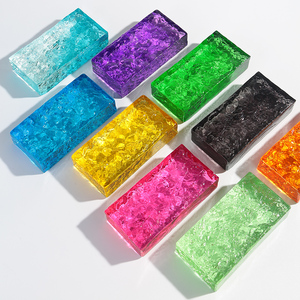
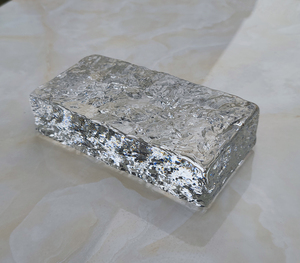
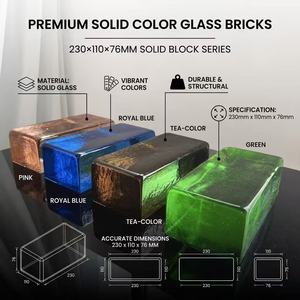
| Solid Cast Crystal Glass Bricks (230*110*76mm) | 2.1 – 2.4 | 0.45 – 0.50 | Reinforced Structural Bar | Luxury Interior Partitions & Exterior Acoustic Screens |
| BIPV Woven Textured Solar Tempered Glass | 5.2 – 5.4 | 0.75 – 0.80 | Impact Resistant Grade | Photovoltaic Facade Cladding in Atacama & Antofagasta |
As a leading international architectural glass manufacturer and direct factory supplier, our production facility operates integrated, automated processing lines capable of executing complex glass fabrications with microscopic tolerances. Our processing arsenal includes CNC automated cutting, double-edging polishing, high-speed waterjet drilling, and advanced forced-convection tempering furnaces capable of producing ultra-flat tempered glass with minimal optical distortion or bow/warp deflection.
To eliminate spontaneous glass breakage caused by nickel sulfide (NiS) inclusions in high-rise curtain wall projects, 100% of our tempered structural glass undergoes rigorous Heat Soak Testing (HST) in compliance with EN 14179-1 standards. Furthermore, our multi-layer laminating lines operate within ISO Class 7 cleanroom environments, utilizing computer-controlled vacuum autoclaves to achieve zero-delamination performance under harsh coastal saline environments such as those found in Viña del Mar, Iquique, and Puerto Montt.
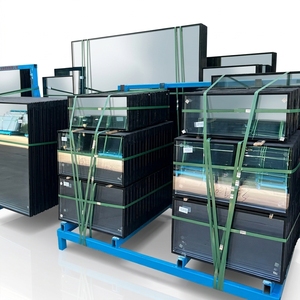
Logistics risk mitigation is central to our supply operations for the Chilean market. All glass shipments destined for Chilean entry ports (Puerto de Valparaíso and Puerto de San Antonio) are secured in custom-engineered, heavy-duty steel or ISPM-15 compliant fumigated wooden A-frame crates. Individual glass sheets are interleaved with mildew-resistant separator powders or cork pads, wrapped in moisture-impermeable shrink film, and reinforced with high-tensile steel banding to guarantee 0% breakage during long-haul ocean transit.
Architectural glass specification in Chile is defined by diverse urban microclimates and specific architectural typologies:
The Chilean architectural sector is rapidly transitioning toward green building accreditations, driven by the expanding adoption of the Certificación Edificio Sustentable (CES) framework and international LEED (Leadership in Energy and Environmental Design) certification standards. Modern developers in Chile prioritize building envelopes that actively reduce HVAC energy consumption while maximizing natural daylight harvesting.
Key emerging trends include the integration of micro-textured photovoltaic glass facades that transform passive building skins into active clean energy generators, as well as the adoption of ultra-clear (low-iron) glass with anti-reflective coatings to achieve natural color rendering for cultural venues, museums, and high-end retail facades. Simultaneously, the architectural revival of solid glass brick masonry walls reflects a growing demand for structural masonry elements that blend thermal inertia, daylight penetration, and structural resilience.
Critical operational, regulatory, and logistics answers for Chilean architects, facade contractors, and real estate developers.
Our structural laminated glass products utilize high-rigidity SentryGlas® (SGP) or structural PVB interlayers engineered with high shear modulus values. When integrated into facade systems designed according to NCh433 and NCh3357 guidelines, our glass assemblies absorb inter-story racking drift without glass edge contact, preventing glass breakout during seismic events.
Standard factory fabrication lead time ranges from 15 to 22 days depending on processing complexity (e.g., custom HST testing, multi-layer laminating, or custom Low-E coating runs). Ocean freight transit from main Asian ports to Puerto de Valparaíso or Puerto de San Antonio typically requires 28 to 35 transit days. Complete shipping documents including Bill of Lading, Certificate of Origin, and Packing Lists are issued promptly for smooth customs clearance.
Our advanced processing machinery supports jumbo architectural glass dimensions up to 3300mm x 12000mm for tempered, laminated, and double-pane insulated units. We regularly supply custom-cut glass panels tailored to structural DWG window schedules for high-rise facades and custom storefronts.
We configure IGUs with low-emissivity (Low-E) soft coatings, argon gas injection (90%+ purity), and warm-edge silicone structural spacer bars (such as Technoform or Edgetech). This configuration achieves U-values down to 1.1 W/m²K in double-pane units and 0.7 W/m²K in triple-pane units, exceeding the thermal insulation requirements of OGUC Article 4.1.10 across central and southern Chilean zones.
All exports to Chile are sealed in ISPM-15 certified fumigated wooden crates or heavy-duty steel A-frames. Every glass sheet is separated by mildew-resistant powder or cork pads to prevent friction scratches and vacuum-sealed with desiccant packs to prevent moisture condensation stain during tropical sea route crossings.
Partner with a certified architectural glass factory. Our engineering team provides DWG elevation reviews, NCh seismic calculations, spectral thermal data sheets, and competitive direct-factory price estimates for your Chilean project.
