
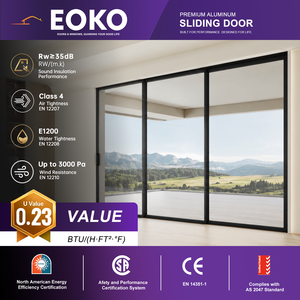
EOKO NFRC Aluminum Sliding Door Triple Glazed Low-E Thermal Break Lift-and-slide Aluminum Sliding Glass Doors for Luxury Villa
NFRC Certified
Triple Glazed
Lift & Slide
Contact Us
Explore top-tier aluminum extrusions, lifting sliding hardware, bi-folding mechanisms, and thermal break glass assemblies engineered for luxury residential and commercial developments.
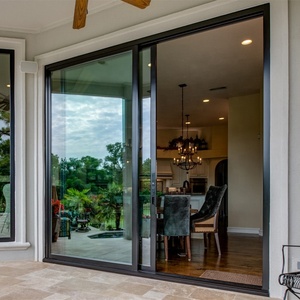
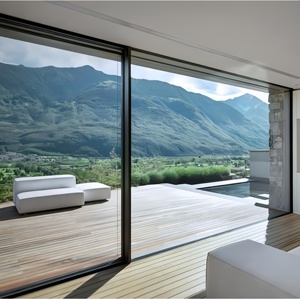
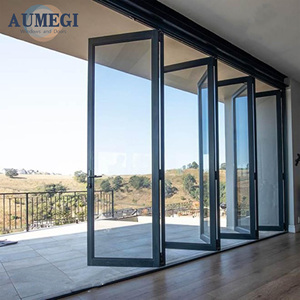
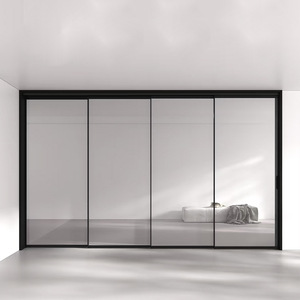
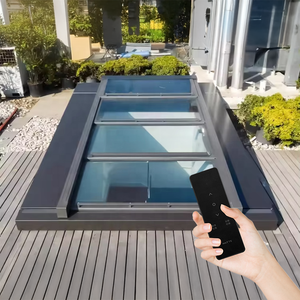
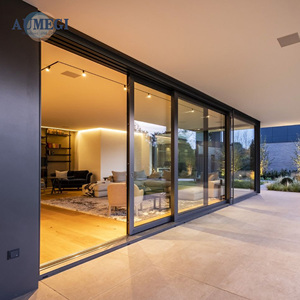
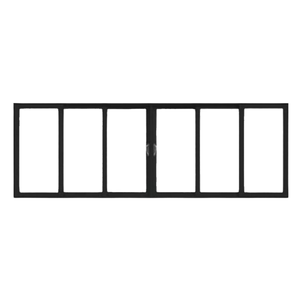
An authoritative analysis on profile metallurgy, mechanical hardware loads, thermal break technologies, and European compliance frameworks for global developers and contractors.
In modern high-rise and luxury villa construction, architectural glass hardware is far more than a decorative accessory. It serves as the primary structural, security, and environmental barrier of the building envelope. Operating at the intersection of Turkish precision aluminum extrusion and European technical standards, our manufacturing philosophy is grounded in total engineering accountability.
Unlike catalogue traders who supply generic off-the-shelf fittings, our engineering team evaluates project shop drawings (DWG/PDF), structural wind load requirements, and thermal targets before production commences. Every system supplied is backed by verified testing protocols:
Utilizing high-density Polyamide (PA66GF25) thermal break strips up to 34mm wide, our window and sliding systems isolate interior climate control from external ambient temperatures, achieving system Uw values from 1.8 down to 0.9 W/m²K.
We seamlessly integrate world-class hardware systems including ROTO, STAC, and Siegenia. From heavy-duty multi-point locking mechanisms to stainless steel tandem rollers rated for 400kg leaf weights, long-term durability is guaranteed.
Every shipment undergoes rigorous factory QC. Finished units and hardware are corner-protected, film-wrapped, and packed into ISPM-15 compliant fumigated wooden crates with elevation codes for seamless job-site sorting.
A technical baseline comparison of common glass door and window hardware configurations used in international commercial and high-end residential projects.
| System Classification | Frame / Rail Depth | Thermal Transmittance (Uw) | Air / Water / Wind Rating | Hardware Load Capacity | Primary B2B Application |
|---|---|---|---|---|---|
| Lift-and-Slide Patio Door | 76 mm – 110 mm | 1.2 – 1.6 W/m²K | Class 4 / 9A / C4 | Up to 400 kg / sash | Luxury Villa Balconies, Penthouses |
| Minimalist Slim Sliding Door | Sightline 20 mm – 25 mm | 1.4 – 2.0 W/m²K | Class 3 / 7A / C3 | Up to 300 kg / sash | Panoramic Living Rooms, Terraces |
| Thermal Break Casement & Tilt-Turn | 60 mm – 75 mm | 1.3 – 1.8 W/m²K | Class 4 / 9A / C4 | Up to 130 kg / sash | High-Rise Residential, Hotels |
| Ultra-Insulated Triple-Glazed Window | 80 mm – 95 mm | 0.9 – 1.2 W/m²K | Class 4 / E750 / C5 | Up to 160 kg / sash | Passive House & Cold Climate Builds |
| Vertical Bi-Folding Patio System | 70 mm – 85 mm | 1.5 – 2.1 W/m²K | Class 3 / 8A / C3 | Up to 100 kg / leaf | Commercial Frontage, Restaurants |
| Motorized Roof Skylight Hatch | Double Glazed 6+12A+6 | 1.4 – 1.7 W/m²K | Class 4 / 9A / C4 | IP65 Electric Actuators | Rooftop Terraces, Stair Entrances |
Key technological and regulatory shifts shaping the global glass hardware and fenestration manufacturing landscape over the next decade.
The architectural hardware market is rapidly transitioning from manual mechanical operation to concealed automated actuation. Modern high-end projects demand motorization embedded directly within the frame tracks. Key innovations include magnetic levitation sliding drives, rain and wind sensor integration, and smart home automation control via encrypted protocols. When sourcing from glass hardware manufacturers, specifying IP-rated motors and hidden wiring channels is becoming standard practice.
Architectural design aesthetics continue to push toward invisible frames. Minimalist sliding systems now feature interlock sightlines as narrow as 20mm, requiring hardware components to bear enormous structural loads within minimal profile cavities. Stainless steel SS316 bottom rollers, concealed top guide tracks, and structural silicone bonding (EN 13022) have become vital hardware criteria to ensure glass panels up to 4 meters high operate smoothly.
Environmental standards such as LEED v4.1 and BREEAM are reshaping B2B hardware procurement. Top manufacturers are adopting recycled aluminum billets (6060/6063 T6 alloys) produced via low-carbon hydro-powered smelting. Furthermore, surface treatments must adhere to Qualicoat Class 2 or Qualanod specifications, ensuring a minimum powder coating thickness of 60 µm without harmful volatile organic compounds (VOCs).
For large villa balconies and accessible ground-floor glazing, standard single-latch systems are obsolete. Sourcing requirements now mandate multi-point security hardware achieving European RC2 or RC3 burglar resistance ratings. Concealed friction hinges, anti-lift blockers, and drill-resistant gearboxes integrated directly into the window sash profile ensure maximum security without compromising sleek visual profiles.
Clear, technical answers to common queries faced by architects, façade engineers, and B2B buyers when ordering custom glass hardware and aluminum systems.
Send us your project elevations or window schedule today. Our engineering team will review your drawings and provide a system recommendation with full technical documentation within 72 hours.
Contact Us