Engineered for commercial entrances, luxury villa facades, and high-load outdoor structures. Tested to international building codes for wind uplift, snow load, and impact safety.
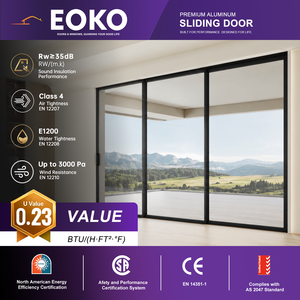
Triple-glazed thermal break structural framing engineered for weather protection, thermal insulation (Uw ≤ 0.9 W/m²K), and seamless integration with overhang entrance canopies.
Contact Us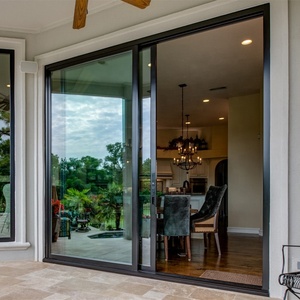
Heavy-duty vinyl and tempered safety glass assembly with ROTO multi-point hardware lock systems for structural wind load compliance in high-rise residential installations.
Contact Us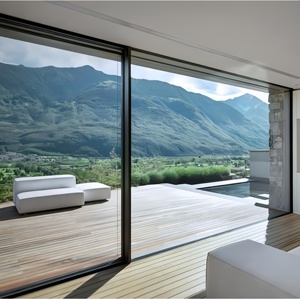
Precision-engineered extruded aluminum profile systems combined with Low-E double glazing for architectural entrance partitions and canopy transition zones.
Contact Us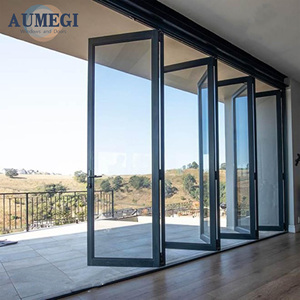
AS2047 standard heavy-duty bi-fold systems featuring concealed hinges, EPDM continuous weather seals, and toughened safety glass for expansive facade openings.
Contact Us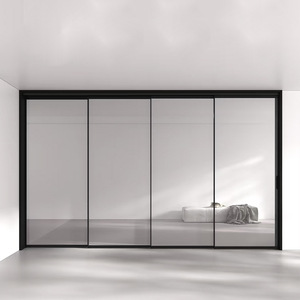
Ultra-slim 20mm sightline frame design featuring high-tensile polymer seals, structural track anchoring, and wind-resistant tempered glass for luxury interior-exterior flow.
Contact Us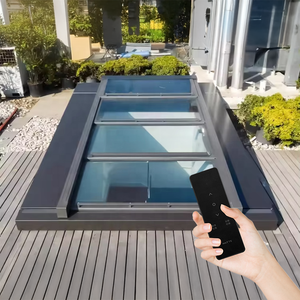
Automated motorized skylight canopy constructed with dual-actuator drive systems, laminated safety glass, and integrated rain sensors for flat roof access points.
Contact Us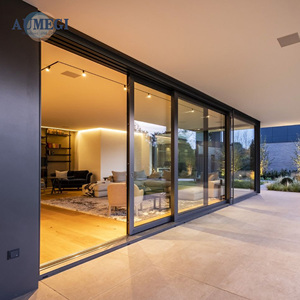
Industrial-grade multi-track patio sliding systems with structural aluminum alloy extruded profiles, engineered for high-frequency commercial application environments.
Contact Us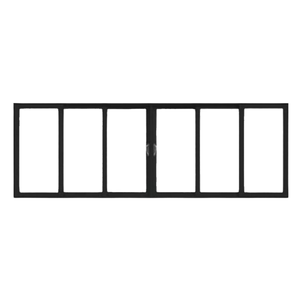
Energy-efficient double-glazed structural door unit utilizing marine-grade anodized aluminum tracks, high-durability rollers, and high-impact shatterproof glass.
Contact UsConnecting advanced material science, precision CNC machining, and rigorous structural engineering to mitigate cross-border procurement risks.
Unlike standard PVB laminates which weaken under high thermal exposure, premier Chinese glass canopy factories utilize DuPont SentryGlas® (SGP) ionoplast interlayers. SGP provides 5 times the tear strength and 100 times the stiffness of conventional PVB, ensuring that broken glass fragments remain structurally rigid in a self-supporting horizontal plane even upon impact.
Canopy longevity relies heavily on load-bearing point-supported spider fittings, tension rods, and wall bracket channels. Top-tier factories operate multi-axis CNC machining centers processing AISI 316 stainless steel and T6-6063 aluminum alloys, tested to ASTM B117 salt spray standards for over 2,000 hours without surface pitting or stress corrosion cracking.
Every structural glass canopy shipment is backed by third-party testing documentation under EN 12150-1 (Thermally Toughened Safety Glass), EN 14449 (Laminated Safety Glass), and ISO 9001 quality management standards. Full factory batch traceability guarantees profile tolerance compliance to EN 12020-2 standards.
How evolving building envelope standards, decarbonization goals, and smart city aesthetics are transforming glass canopy manufacturing.
The global shift toward Net-Zero Energy Buildings (NZEB) is driving rapid demand for BIPV canopy systems. Modern Chinese factories are embedding monocrystalline micro-perforated solar cells directly between laminated glass panes. This allows entrance canopies to achieve 15-18% solar conversion efficiency while maintaining 30-50% light transmittance, transforming passive overhead rain screens into active power generators for commercial facility lighting and HVAC operation.
Architects are increasingly rejecting standard clear float glass due to its green iron-oxide tint. Sourcing is shifting decisively toward low-iron (opti-white) tempered glass with iron content under 150 ppm. Coupled with online titanium dioxide (TiO2) photocatalytic and hydrophobic nanocoatings, modern canopies use ambient UV light to break down organic dirt, which is then washed away by rainwater, cutting maintenance costs by over 70% in high-rise applications.
Procurement lead times are being shortened dramatically through direct digital integration. Leading Chinese glass canopy manufacturers now ingest IFC and DWG architectural files directly into Automated CNC Cutting and Polishing lines. This parametric workflow eliminates manual shop-drawing errors, allows for complex double-curved and freeform canopy glass manufacturing, and ensures sub-millimeter precision for point-fixed spider hole drillings.
Next-generation luxury entryways are ditching static frit patterns in favor of dynamic electrochromic glass. By applying low-voltage electrical impulses across a conductive oxide layer, the glass canopy dynamically adjusts its Solar Heat Gain Coefficient (SHGC) from 0.45 down to 0.09 and visible light transmittance from 60% to 1%. Sourcing managers are bundling these smart canopy systems with automated building management controllers (BMS).
Evaluating standard commercial canopy offerings against tier-1 engineering-led manufacturing standard specifications.
| Performance / Spec Metric | Standard Commercial Glass Factory | Tier-1 China OEM Glass Canopy Manufacturer | Architectural Impact Benefit |
|---|---|---|---|
| Laminated Interlayer Type | Standard Building-Grade PVB | DuPont SGP Ionoplast / Structural PVB | 5x post-breakage strength; zero sagging under heat load. |
| Substrate Glass Quality | Standard Clear Float (Fe2O3 ≥ 0.08%) | Extra-Clear Low-Iron Float (Fe2O3 ≤ 0.015%) | 91%+ Light Transmittance; pure true-color edge aesthetics. |
| Hardware Material Grade | SS304 or Anodized Commercial Aluminum | Forged AISI 316 / Duplex 2205 Stainless Steel | Maximum resistance to marine salt air and industrial smog. |
| Wind Pressure Rating | 1.5 kPa to 2.5 kPa | ≥ 5.0 kPa (ASTM E1300 / EN 12211) | Certified for coastal typhoon zones and super-tall building bases. |
| Processing Precision | ± 2.0 mm (Manual Cutting/Drilling) | ± 0.5 mm Intermac CNC Waterjet & Edging | Eliminates stress concentration points around spider bolt holes. |
| Export Packaging Protection | Standard Wooden Pallets & Plastic Wrap | Fumigated ISPM-15 A-Frame Steel/Crate + Silica | Zero moisture staining, sea fog corrosion, or transit breakage. |
Direct technical answers to common questions asked by facade engineers, structural consultants, and global sourcing directors.
For overhead horizontal or sloped glazing, safety building codes strictly recommend SGP (SentryGlas®) over PVB. Standard PVB becomes soft and flexible when exposed to high ambient temperatures or solar heat absorption; if both glass plies shatter, a PVB glass canopy will collapse and fall from its frame. Conversely, SGP is 100 times stiffer and 5 times more tear-resistant. Even if both tempered glass lites break, an SGP canopy remains rigid and flat in place as a temporary self-supporting shield until safe replacement can occur.
Engineering-focused Chinese manufacturers utilize finite element analysis (FEA) software according to ASTM E1300 and EN 16612 standards. By evaluating local climatic parameters—such as basic wind speed (m/s), terrain roughness category, canopy elevation height, and regional ground snow load (kN/m²)—the engineering team calculates the required glass thickness combinations (e.g., 8mm Low-Iron Toughened + 1.52mm SGP + 8mm Low-Iron Toughened) and structural rod anchor diameters.
Frameless aesthetics are typically achieved through three primary hardware setups: 1) Point-supported spider fittings with articulated swivel bolts that accommodate dynamic deflection; 2) Stainless steel tension rod and strut tie-back systems fixed back to structural concrete beams; and 3) Heavy-duty aluminum embedded wall channels (cantilevered base shoe systems). AISI 316 stainless steel is mandatory for all exterior hardware to prevent rusting.
Quality assurance protocols must cover four critical stages: 1) Roller-wave distortion and edge dip measurement using optical gauges; 2) Heat Soak Testing (HST) per EN 14179 to eliminate nickel sulfide (NiS) inclusions and prevent spontaneous glass breakage; 3) Hole location accuracy check (± 0.5 mm tolerance) to prevent binding against spider bolts; and 4) Autoclave vacuum pressure verification to guarantee zero bubble formation or edge delamination along the SGP/PVB border.
Canopy glass units are wrapped in protective polyethylene anti-scratch film with custom corner guards, separated by cork or rubber spacing pads, and sealed inside fumigated, moisture-proof ISPM-15 wooden crates or heavy-duty steel A-frames. Desiccant silica packs are added inside every vacuum-sealed foil pack to absorb ocean fog humidity. Crate placement inside Open-Top (OT) or High-Cube (HC) containers is secured using polyester webbing straps and steel chain turnbuckles to withstand high sea swell G-forces.
Tier-1 exporters provide a complete export dossier including: Commercial Invoice and Packing List with precise HS Codes (e.g., 7007.21 for Laminated Safety Glass), Bill of Lading (B/L), Certificate of Origin (Form E, CO, or FTA), Third-party Factory CE Declaration of Performance (DoP), EN 12150 / EN 14449 Test Certificates, and ISPM-15 Wood Fumication Certificates.
Upload your architectural elevations, DWG schedules, or wind load parameters. Our senior structural glass engineering team will deliver a comprehensive project proposal, U-value calculation, hardware selection, and itemized bill of quantities (BOQ) within 48 hours.
Contact Us