Engineered for luxury residential villas, commercial hospitality, and extreme climatic loads. All systems CE certified and tested to EN standard specifications.
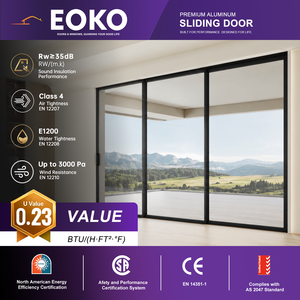
Ultra-low U-value system featuring NFRC certified multi-chambered polyamide breaks, suitable for high-end luxury villas and harsh climates.
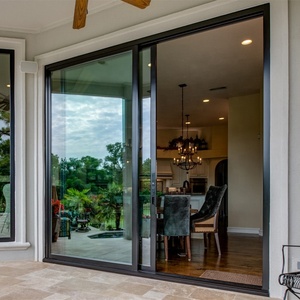
Integrated with German ROTO hardware multi-point lock mechanisms and double-glazed tempered glass for high wind resistance.
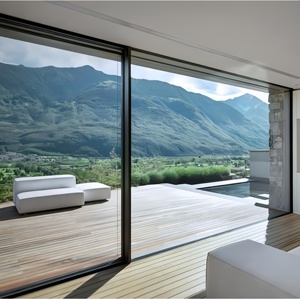
Tailored vertical retractable glass balustrades providing unobstructed panoramic views combined with superior thermal retention.
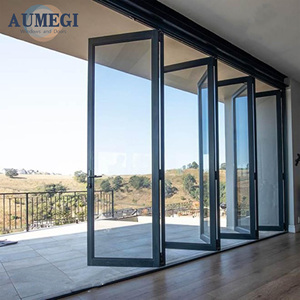
Built to AS2047 structural requirements, offering automated heavy-duty chain drive operation for commercial patio enclosures.
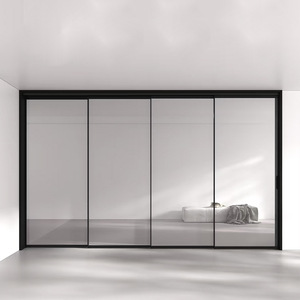
20mm visible sightline with recessed bottom tracks. Designed for minimalist architectural projects requiring seamless indoor-outdoor transition.
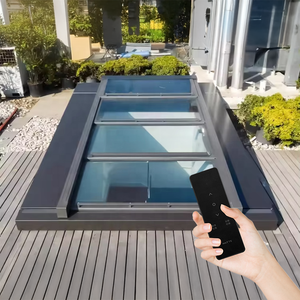
Motorized horizontal and vertical skylight hatches engineered for flat roofs, stair enclosures, and rooftop terraces with rain sensors.
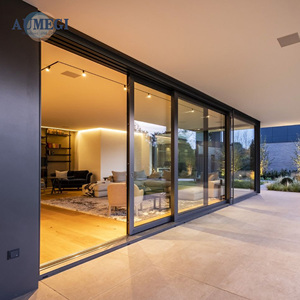
Commercial grade vertical sliding glass walls with bottom sash serving as a protective glass balustrade when lowered.
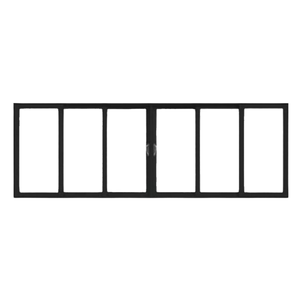
Versatile interior and exterior guillotine partition system designed for luxury dining spaces, executive offices, and balconies.
An in-depth evaluation of global engineering standards, motorization technology, thermal barrier efficiency, and procurement strategies for architects, facade consultants, and general contractors.
The global architectural fenestration landscape has undergone a dramatic structural evolution over the past decade. Among modern operable facade innovations, guillotine glass systems—also recognized in international tender specifications as automated vertical retractable glass walls, motorized vertical sliding window systems, or electric rise-and-fall glass balustrades—have emerged as the definitive solution for high-end residential, hospitality, and commercial envelope applications.
Driven by consumer demand for uninterrupted visual connectivity, dynamic climate control, and indoor-outdoor spatial integration, architects and commercial developers are increasingly moving away from traditional horizontal sliding or bi-folding doors toward vertical guillotine glazing. When open, these systems stack neatly into a solid safety glass balustrade; when fully closed, they deliver absolute thermal insulation, acoustic damping, and weatherproofing capable of withstanding hurricane-force wind pressure.
To accurately specify vertical glass systems, procurement directors and facade consultants must evaluate the core mechanics of guillotine systems. Unlike traditional sliding doors that operate along a horizontal axis, guillotine systems utilize high-torque electric tubular motors or heavy-duty motor-driven timing belts and counterweighted chain drives inside side jamb profiles to lift or lower multiple glass panes vertically.
Key operational configurations include:
Evaluating international manufacturers requires assessing engineering capability, factory automation, alloy quality (EN AW-6063-T6 standard), testing certification, and international export track record. Below is an exhaustive benchmark review of the top 10 global suppliers and manufacturing hubs leading the guillotine glass and architectural aluminum sector in 2025.
| Rank / Supplier Hub | Primary Specialization | Key Performance Metrics | Compliance & Certification | Target Project Profile |
|---|---|---|---|---|
| 1. ALUCCO / GOMAX (Turkey) | System Engineering, Thermal Break Guillotine & Curtain Walls | Uw down to 0.9 W/m²K, Wind Class C5, Air Class 4 | CE, EN 1026, EN 1027, EN 12211, ISO 9001 | Luxury Villas, Hospitality, High-Rise Enclosures |
| 2. Schüco International (Germany) | Ultra-Premium Architectural Aluminum Fenestration | Uw 0.8 W/m²K, Integrated Smart Home Connectivity | DIN, EN, PASSIVE HOUSE Certified | Commercial Headquarters, Ultra-Luxury Residential |
| 3. Reynaers Aluminium (Belgium) | Minimalist Frame Sliding & Retractable Systems | High Acoustic Damping (44 dB), Slim Sightlines | CE, Qualicoat, Qualanod, Minergie | Modern Urban Infill, Hotel Lounges |
| 4. Cortizo Systems (Spain) | Slim-line Balustrade Retractable Glazing | High Wind Resistance, Custom Anodized Finishes | EN 14351-1, CE Mark | Mediterranean Resorts, Commercial Balconies |
| 5. Sky-Frame (Switzerland) | Frameless Motorized Sliding & Vertical Retractable Glass | Flush Floor Track, Zero-Visible Profile Frame | ISO 14001, Hurricane Impact Tested | Penthouse Enclosures, Architectural Statement Homes |
| 6. Alumil Systems (Greece) | Bioclimatic Pergola & Guillotine System Integration | Integrated Water Drainage, Heavy Duty Motor Drives | CE, IFT Rosenheim Tested | Outdoor Living, Beachfront Restaurants |
| 7. Technal (France / Hydro Group) | Low-Carbon Recycled Aluminum System Profiles | CIRCAL 75R Recycled Alloy, Uw 1.1 W/m²K | Cradle to Cradle, EN Standards | Green Building / LEED Certified Commercial Envelopes |
| 8. Western Window Systems (USA) | North American Heavy-Duty Motorized Sliding Systems | NFRC Rated, AAMA Certified Hardware | NFRC, Florida Building Code (Impact Rated) | North American Modern Villa Projects |
| 9. YKK AP (Japan / Global) | Engineered Commercial Fenestration & Automated Drive Units | High Cycle Durability, Precision Gasket Seals | JIS, ASTM, AAMA | High-Traffic Commercial Enclosures |
| 10. MasterLine / Modular Systems (Italy) | Custom Italian Design Motorized Glass Balustrades | Concealed Counterweights, Soft-Start Motion Control | CE, EN Safety Standards | Boutique Retail, Luxury Rooftop Bars |
Turkey has firmly established itself as the world’s premier strategic extrusion and fabrication hub for architectural aluminum systems. Positioned between European engineering rigors and Eurasian manufacturing flexibility, manufacturers like ALUCCO (GOMAX Emlak Gayrimenkul Insaat Dis Ticaret Ltd. Sti.) deliver unmatched cost-to-performance advantages without sacrificing technical compliance.
Key competitive advantages of importing Turkish guillotine glass systems include:
For a vertical glass system to operate smoothly across tens of thousands of cycles, its structural components must be engineered to exacting mechanical tolerances. Below is the technical breakdown of a premium guillotine glass system:
Extruded from EN AW-6063-T6 aluminum alloy with minimum wall thickness of 2.5mm to 3.0mm in load-bearing guide channels. Powder-coated to Qualicoat standards (min 60 µm film thickness) for lifetime salt-spray corrosion resistance.
Accommodates double-glazed units (6mm Tempered + 16Ar + 6mm Low-E) or triple-glazed high-insulation build-ups up to 44mm. Glass edge sealing utilizes warm-edge spacers to prevent perimeter condensation.
High-torque tubular motors (80Nm to 120Nm) integrated with heavy-duty steel-reinforced timing belts or dual-strand stainless steel counterweight chains. Controlled via RF remote, wall switches, or smart home automation hubs.
When reviewing technical dossiers from guillotine glass exporters, verified test reports issued by accredited third-party laboratories (such as IFT Rosenheim, QUALICOAT, or EN ISO labs) must confirm the following values:
As the international construction industry aligns with net-zero carbon mandates and smart building automation, guillotine glass procurement strategies are shifting dramatically. Key macro trends shaping the market include:
Historically, vertical sliding glass was uninsulated, restricted primarily to mild climate cafe enclosures. Today’s architectural specifications mandate complete thermal isolation. Modern thermally broken guillotine frames utilize 24mm to 34mm polyamide struts that physically separate the exterior cold aluminum profile from the interior warm profile. This eliminates thermal transfer, prevents interior sweating, and lowers heating/cooling HVAC loads by up to 35% in commercial envelopes.
Leading exporters are now combining vertical guillotine drive mechanisms with Electrochromic (EC) smart glass—which tints dynamically at the touch of a button—or Building-Integrated Photovoltaics (BIPV) embedded within the fixed balustrade pane to generate clean solar electricity for the motorized drive system.
International building codes (such as the EU Machinery Directive 2006/42/EC) require rigorous safety features on automated doors. Next-generation guillotine glass systems incorporate smart obstacle-detection sensors: if a downward-moving glass panel encounters an object or hand, the optical sensor instantly halts and reverses movement within 0.1 seconds.
Navigating cross-border procurement for architectural glass and aluminum requires more than just buying a product—it requires an engineering partnership capable of delivering defect-free, custom-cratered shipments directly to construction sites worldwide.
At ALUCCO (GOMAX), every inquiry is assigned to a dedicated facade engineer. We do not sell standardized stock items; we analyze your floor plans, calculate structural wind profiles, generate shop drawings, and verify connection details before extrusion cuts begin.
Glazing units and heavy aluminum profiles suffer damage during maritime transit if packed improperly. ALUCCO ships all export orders in heavy-duty, fumigated ISPM-15 wooden crates featuring internal steel A-frame bracing, corner protection, and elevation-coded labels for rapid site assembly.
Below are authoritative answers to the most common engineering, commercial, and logistics questions raised by importers, developers, and architects during guillotine glass procurement.
Send your architectural DWG/PDF drawings, window schedules, or project specifications. Our engineering team will analyze your elevation requirements and return a system recommendation with thermal performance calculations within 72 hours.
