China Top Double Glazing Factories & Suppliers

Architectural Fenestration Whitepaper & Strategic Sourcing Guide for Energy-Efficient Double & Triple Glazed Aluminum Systems

Verified Procurement Portfolio

Featured High-Performance Double Glazed Systems

Direct export configurations engineered for commercial towers, luxury residential villas, and architectural building envelopes.
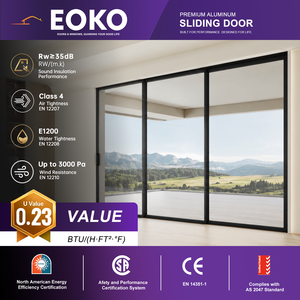
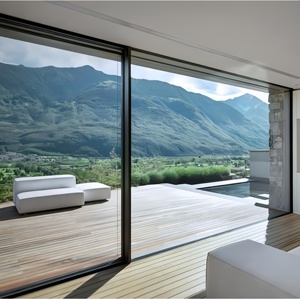
EOKO NFRC Aluminum Sliding Door Triple Glazed Low-E Thermal Break Lift-and-slide
EOKO NFRC Thermal Break Lift-and-Slide Aluminum Door
NFRC Certified Triple Glazed Low-E Luxury Villa
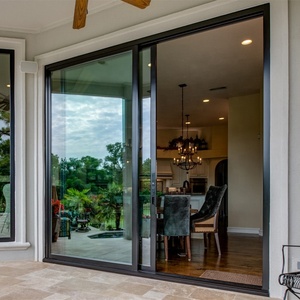
American Standard ROTO Hardware Double Large Glass Glazed PVC Doors And Windows
American Standard UPVC Double Glazed Lifting Sliding Door
ROTO Hardware Vinyl UPVC Profile Double Glazed
Customized Modern Style Sliding Door for Home Villa Balcony Double Glazed
Custom Energy-Efficient Modern Balcony Glass Sliding Door
Modern Balcony Energy Efficient Custom Aluminum
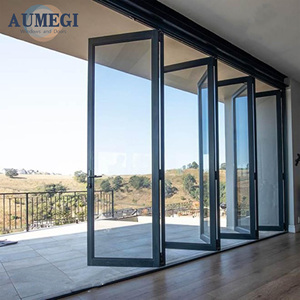
Aumegi Australian Style Vertical Folding Doors Bi Folding Aluminum
Aumegi Australian Standard Aluminum Bi-Folding Patio Door
AS2047 Standard Bi-Fold Patio Heavy Duty
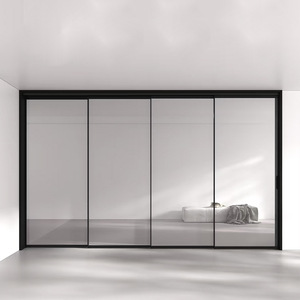
Slim Polymer Glass Door Minimalist Windproof Hidden Sliding Door
Minimalist Ultra-Slim Windproof Hidden Sliding Glass Door
Slim Sightline Concealed Track Wind Resistant
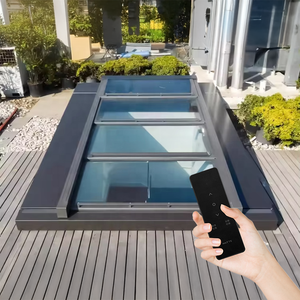
Easy Diy Installation Electric Retractable Sliding Double Glazed Flat Roof Access Hatches Window Skylight
Electric Retractable Double Glazed Flat Roof Skylight Hatch
Motorized Control Double Glazed Roof IP65 Seal
AUMEGI Sliding Doors Price Modern Aluminium Rail Prices 4 Back Patio Partition Slide Door
AUMEGI Multi-Track Architectural Aluminum Sliding Partition
4-Track System Patio Partition Heavy Roller Rail
Modern Aluminum Alloy Sliding Patio Door Double Glazed Glass Door System
Modern Commercial Aluminum Alloy Double Glazed Patio Door
Commercial Grade Low-E Insulated Multi-Point Lock
Uw 0.8–1.3
Thermal Transmittance (W/m²K)
STC 42dB
Acoustic Sound Attenuation
≥ 2.5 kPa
Wind Load Resistance (EN 12211)
PA66GF25
Polyamide Thermal Break Grade
Manufacturing Rigor & E-E-A-T Excellence

Engineering Standards of Top Chinese Double Glazing Manufacturers

Understanding the metallurgical, thermodynamic, and structural benchmarks defining premier fenestration factories in China.

The global construction sector is undergoing a rapid transition toward decarbonization and strict thermal envelope compliance. In this context, selecting premier China double glazing factories & suppliers is no longer just a pricing decision—it is an intricate engineering audit. Top-tier Chinese manufacturers operate state-of-the-art vertical extrusion, precision CNC machining, and fully automated Insulating Glass Unit (IGU) robotic assembly lines that compete directly with European tier-one extruders.

Information Gain Index: The Double Glazing Thermal Imperative

Standard monolithic glass yields a U-value of approximately 5.8 W/m²K, allowing vast amounts of HVAC thermal energy to bleed through building envelopes. High-specification double glazing units (IGUs) incorporating Low-Emissivity (Low-E) magnetron coatings, 90%+ Argon gas fill, and warm-edge thermoplastic spacers drop U-values below 1.2 W/m²K—reducing building operational operational energy expenditures by up to 42%.

Core Metallurgical & Glazing Benchmarks

Leading Chinese fenestration producers establish their technical superiority across four key pillars of manufacturing science:

  • Structural Profile Metallurgy: Utilizing primary architectural-grade 6063-T5 and 6065-T6 aluminum alloys extruded to EN 12020-2 precision tolerances. Wall thicknesses consistently range from 1.6mm for residential openings up to 3.0mm+ for structural curtain wall applications.
  • Advanced Thermal Separation: Integration of high-strength PA66GF25 (Polyamide 66 reinforced with 25% structural glass fiber) thermal break strips. This physically isolates indoor and outdoor profile cavities, neutralizing thermal bridging across extreme climate differentials.
  • Low-E Magnetron Sputtering Technology: Sourcing raw glass float panels coated with single, double, or triple-silver Low-Emissivity coatings. These layers selectively reflect long-wave infrared heat back into the interior while maintaining high Visible Light Transmittance (VLT > 70%).
  • Hermetic Gas Seal & Desiccant Mechanics: Dual-seal IGU construction utilizing primary polyisobutylene (PIB) sealant, high-grade 3A molecular sieve desiccants inside warm-edge spacers, and secondary structural silicone or polysulfide perimeter seals that guarantee less than 0.5% argon gas leak rates per annum over a 25-year service life.
Information Gain Matrix

Acoustic & Thermal Performance Comparison

Technical baseline metrics across double glazing, triple glazing, and vacuum insulated glass (VIG) building envelopes.

Glazing Configuration IGU Build-up Structure Thermal U-Value (W/m²K) Solar Heat Gain (SHGC) Sound Attenuation (STC) Structural Wind Rating
Standard Double Glazed Unit 6mm Clear + 12mm Air + 6mm Clear 2.6 – 2.8 0.68 31 – 33 dB 1.8 kPa
Low-E Argon Double Glazing 6mm Low-E + 12Ar + 6mm Clear (Warm Edge) 1.3 – 1.5 0.38 35 – 37 dB 2.5 kPa
High-Performance Triple Glazing 6mm Low-E + 12Ar + 5mm + 12Ar + 6mm Low-E 0.7 – 0.9 0.28 40 – 43 dB 3.2 kPa
Vacuum Insulated Glass (VIG) 4mm Low-E + 0.3mm Vacuum + 4mm Clear 0.4 – 0.6 0.35 38 – 40 dB 2.2 kPa
Acoustic Laminated Double Glazed 6mm Low-E + 12Ar + (3mm + 0.76PVB + 3mm) 1.4 – 1.6 0.40 42 – 45 dB 3.0 kPa
Future Engineering Roadmap

Product Development Trends (2025–2030)

The next era of fenestration technology emerging from top Chinese manufacturing hubs.

Ultra-Slim Minimalist Sightlines

Architectural demand is moving heavily toward interlock sightlines down to 20mm–25mm while supporting massive floor-to-ceiling double glazed units weighing up to 600kg per sliding leaf via heavy-duty stainless steel track rollers.

Smart Electrochromic Glazing Integration

Integration of electrochromic dynamic tinting and BIPV (Building-Integrated Photovoltaics) within double glazed IGUs, allowing automated light transmission adjustment and localized clean solar energy production.

Aerogel-Infused Thermal Cavities

To meet passive house net-zero requirements without enlarging frame depths, top Chinese factories are introducing aerogel insulation into the multi-chamber polyamide zones of thermal break profiles.

Supply Chain Strategy

Global B2B Sourcing & Procurement Trends

Navigating global standards, anti-dumping considerations, quality audits, and international logistics.

1. Transition from Commodity Buying to Project Engineering Partnerships

Commercial builders, developers, and facade contractors are replacing simple catalog ordering with customized OEM/ODM engineering collaboration. Top Chinese suppliers provide BIM object modeling, thermal software simulations (THERM & WINDOW), and structural wind pressure calculation reports during early architectural design stages.

2. Stringent Certification & Compliance Auditing

International buyers require rigorous proof of testing compliance before issuing letters of credit or deposit payments. Premier Chinese manufacturers maintain audited testing compliance for major target markets:

  • North America: NFRC (National Fenestration Rating Council) thermal ratings, AAMA structural/water performance standards, and SGCC safety glass certification.
  • Europe & UK: CE Marking under EN 14351-1, Qualicoat powder coating standards, and EN 1279 IGU gas leakage certification.
  • Australia & New Zealand: AS2047 windows and external doors compliance alongside AS/NZS 2208 safety glazing standards.

3. Sea Freight Crating & Damage Prevention Mitigation

Fragile double glazed glass units traveling through international sea routes require standardized export crating protocols. Leading suppliers utilize IPPC fumigated solid wood A-frame crates, corner protective rubber bumpers, high-capacity desiccant packs within moisture-sealed polywrap, and shock sensors to guarantee zero glass breakage during 30–50 day container transit.

Factory Competency

Why Work With Established Chinese Fenestration Leaders?

End-to-end quality control from raw aluminum billet to final crated export container.

Vertical Manufacturing Ecosystem

Owning in-house aluminum extrusion presses, automated anodizing plants, vertical powder coating lines, and CNC double-mitre saw cutters guarantees precise dimensional tolerances and raw material traceability.

In-House Physical Testing Facilities

Before mass production, prototype elevations undergo rigorous four-phase mock-up testing in factory pressure chambers: Air Permeability (EN 1026), Watertightness (EN 1027), Wind Load Resistance (EN 12211), and Repeated Opening/Closing cycles.

Brand-Neutral Hardware Integration

Seamlessly integrating globally recognized hardware options including German ROTO, SIEGENIA, and HOPPE, alongside premium domestic options like HOPO and STAC, ensuring long-term operational durability.

Buyer Knowledge Base

Frequently Asked Questions (FAQ)

Detailed technical answers for importers, procurement directors, and project architects.

What thermal performance U-values can China double glazing factories achieve?
Depending on profile depth, thermal break width (e.g., 24mm to 34mm PA66GF25), Low-E coating specification, and spacer material, standard thermal break double glazed aluminum windows achieve overall window U-values (Uw) ranging from 1.3 W/m²K to 1.8 W/m²K. When configured with triple glazing or argon-filled warm-edge spacers, performance drops down to 0.8 W/m²K.
What is the standard Minimum Order Quantity (MOQ) for custom project orders?
Most Tier-1 Chinese fenestration factories operate on a project container-load basis rather than strict piece counts. A consolidated 20ft or 40ft FCL container—combining windows, sliding doors, and architectural hardware for a villa project or multi-family residential building—serves as the most cost-efficient procurement baseline.
Which architectural drawings are required to receive a formal technical proposal?
To issue an accurate quotation, engineering bill of quantities (BOQ), and elevation CAD section details, suppliers require: (1) Window & Door Schedule in DWG or PDF format, (2) Glazing specifications (if specified), (3) Target surface finish (e.g., Powder Coating RAL color or Anodized thickness), and (4) Destination project wind pressure zone.
How do manufacturers ensure zero argon gas leakage over long-term usage?
High-end factories employ automated dual-seal IGU production lines. Primary sealing uses non-curing polyisobutylene (PIB) applied by robotic nozzles, followed by a 3A molecular sieve desiccant filling inside warm-edge bendable spacers. Secondary sealing utilizes high-modulus structural silicone or polysulfide. This combination maintains argon gas retention rates above 90% after 20 years.
Are Chinese double glazed door systems certified for high wind & cyclone regions?
Yes. Commercial profile systems designed for high-rise or coastal applications undergo structural wind pressure testing up to ±3.5 kPa (equivalent to Category 5 hurricane wind speeds). Structural calculation dossiers and test reports (EN 12211, ASTM E330, AS2047) are provided alongside technical shop drawings.
What surface finishing options are available for coastal or high-salinity environments?
For harsh coastal marine environments, factories offer Qualicoat Class 2 certified fluorocarbon (PVDF) 3-coat paint systems (minimum 40 microns) or anodized surface treatments conforming to Qualanod Class 20/25 (20+ microns). These treatments pass 3,000+ hours of continuous salt spray testing without pitting or oxidation.
How is glass breakage prevented during international sea freight shipment?
Every fabricated double glazed window or door unit is wrapped in protective polyethylene film, fitted with heavy-duty corner protectors, and packed into custom ISPM-15 compliant fumigated wooden crates or steel-framed A-frames. Rubber isolation blocks and silica desiccant bags inside crate poly-lining prevent moisture damage and physical impact during sea transit.
Can suppliers manufacture dual-color thermal break aluminum profiles?
Yes. Because thermal break profiles consist of inner and outer aluminum extrusions joined by polyamide strips, factories can independently powder coat or anodize the interior and exterior profile sections. This allows exterior profiles to match building facade requirements while interior frames match interior design palettes.
What hardware systems are integrated into heavy lift-and-slide patio doors?
Heavy lift-and-slide doors require robust gear mechanisms capable of lifting panels up to 400kg per leaf. Suppliers incorporate heavy-duty ROTO Frank, SIEGENIA-AUBI, or specialized HOPO hardware featuring multi-point locking gearboxes, continuous EPDM weather gaskets, and tandem stainless steel rollers.
What lead time is typically required from order deposit to ocean container departure?
Standard production turnaround once CAD shop drawings receive final engineering sign-off is 25 to 35 calendar days. Custom extrusion dies or non-standard RAL powder coat colors may add 10 to 15 days to the initial project schedule.

Engineering Your Architectural Glass Envelopes

Connect directly with our senior fenestration specialists to review shop drawings, calculate thermal performance, and obtain competitive factory direct pricing.

Send an Inquiry