Explore premium export-grade lift-and-slide systems, minimal frame sliding doors, bi-folds, and thermal break solutions integrated with world-class locking mechanisms and ergonomic handle architecture.
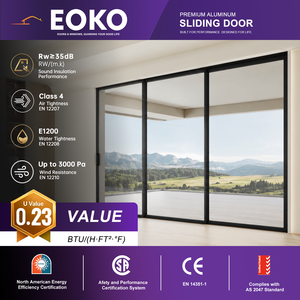
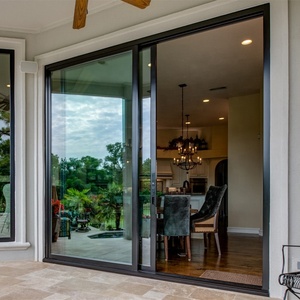
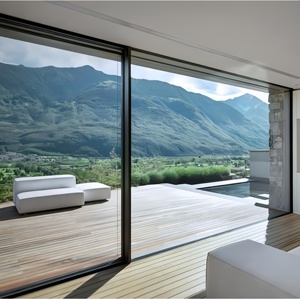
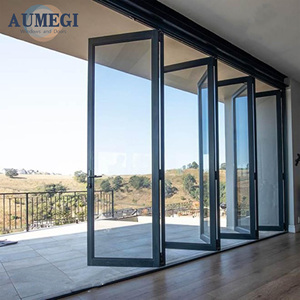
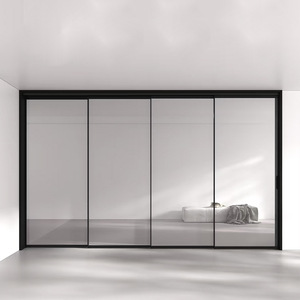
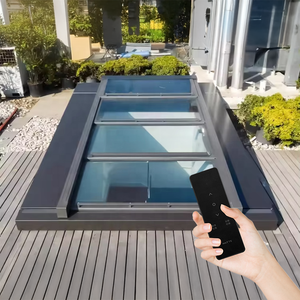
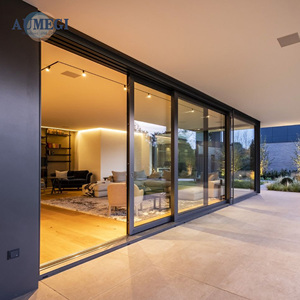
In modern architectural engineering and high-end commercial property development, door hardware is no longer regarded as a minor aesthetic touch; it serves as a critical structural nexus bridging ergonomic interaction, building envelope integrity, physical security, and long-term durability. When sourcing from China Top Door Handles Manufacturers & Exporters, global project procurement teams, principal architects, and hardware distributors must look beyond superficial plating finishes. Evaluating a supplier requires examining deep metallurgical specifications, precise CNC machining tolerances, structural load resistance under cycling stress, and unified integration with thermal break aluminum and UPVC profile systems.
This whitepaper delivers high-density technical insights and procurement intelligence, detailing material selection algorithms, surface treatment physics, empirical corrosion testing, and global logistics workflows. By synthesizing empirical engineering data with user intent analysis, this document empowers B2B buyers to mitigate supply chain risks, optimize thermal envelope integration, and secure verifiable compliance across EN, ASTM, and CE benchmarks.
Rooted in rigorous engineering control and advanced manufacturing ecosystems, leading Chinese export partners operate with vertically integrated production lines. Below are the key pillars supporting structural dependability for global door handle and architectural hardware procurement:
Selecting the optimal alloy composition dictates both the tactile user experience and operational longevity of commercial hardware. Procurement managers must evaluate four core material classes according to tensile strength, yield stress, cost efficiency, and atmospheric resilience:
ZAMAK alloys remain the industry standard for intricate interior door handles, decorative escutcheons, and minimalist architectural lever sets. Utilizing high-pressure die-casting, ZAMAK 5 delivers a tensile strength of ~330 MPa and superior fluid castability. This allows for complex ergonomic curves and sharp geometric chamfers that require minimal post-cast machining. However, ZAMAK handles rely entirely on robust electroplating or electrocoating to prevent subsurface galvanic corrosion.
For heavy-duty public buildings, hospitals, transport hubs, and coastal luxury villas, SUS 304 and SUS 316L handles represent the pinnacle of structural durability. SUS 316L contains 2–3% molybdenum, which drastically inhibits pitting corrosion caused by chloride ions in maritime environments. With an ultimate tensile strength exceeding 520 MPa and a yield strength of 220 MPa, stainless steel hardware handles high-frequency operational cycles without structural deformation.
Aluminum door handles provide an ideal balance of structural lightness, modern aesthetic refinement, and precise color matching with extruded window and sliding door profiles. 6063-T6 aluminum handles undergo solution heat treatment and artificial aging, achieving a tensile strength of ~240 MPa. When paired with deep anodic oxidation (15–25 µm), aluminum handles offer exception scratch resistance and an exceptionally smooth metallic feel.
Forged brass handles are specified primarily in high-end heritage restorations, luxury hospitality suites, and bespoke architectural projects. The forging process eliminates internal porosity, creating a dense molecular structure that accepts multi-stage electroplating, antique hand-rubbed patinas, or Physical Vapor Deposition (PVD) titanium coatings.
To verify that imported door handles and structural locking mechanisms meet international building codes, leading Chinese manufacturing exporters test products against rigorous empirical criteria. The table below outlines standard technical specifications across primary material lines:
| Material / Alloy Grade | Tensile Strength (MPa) | Corrosion Resistance (ASTM B117 NSS) | Durability Cycles (EN 1906 / EN 1906 Grade 4) | Optimal Application Scenario |
|---|---|---|---|---|
| Zinc Alloy (ZAMAK 5) | 330 MPa | 240 – 480 Hours | 100,000 – 200,000 Cycles | Residential Interior & High-End Office Lever Sets |
| Stainless Steel (SUS 304) | 520 MPa | 500 – 720 Hours | 200,000+ Cycles (Grade 4) | Commercial Facilities, Schools, High-Traffic Entrances |
| Stainless Steel (SUS 316L) | 560 MPa | 1,000+ Hours (Marine Grade) | 200,000+ Cycles (Grade 4) | Coastal Luxury Villas, Offshore & Resort Properties |
| Extruded Aluminum (6063-T6) | 240 MPa | 480 – 720 Hours (Anodized) | 150,000 – 200,000 Cycles | Slim-Profile Minimalist Sliding Doors & Curtain Walls |
| Forged Solid Brass | 380 MPa | 720+ Hours (PVD Coated) | 200,000+ Cycles | Bespoke Luxury Hospitality & Executive Suites |
As the international fenestration industry shifts toward hyper-efficient thermal envelopes and minimalist architectural aesthetics, door handle sourcing dynamics are undergoing fundamental transformations. B2B buyers must align their procurement strategies with four key industry shifts over the coming decade:
Procuring architectural door handles and window hardware hardware at scale requires a structured Quality Assurance (QA) workflow. To prevent job-site delays, misfits, or premature finish failures, global procurement managers should execute the following checklist:
Direct engineering answers to common procurement questions regarding architectural specifications, standard compliance, minimum order quantities, and custom OEM manufacturing.
Partner directly with China's leading door handles manufacturer and engineering exporter. Receive full technical schedules, 3D DWG profile matching, and factory-direct pricing tailored to your project requirements.
Get Catalog