0%

Outdoor living changes quickly when weather shifts from bright sun to sudden rain. Why are more homeowners and commercial designers choosing Bioclimatic Aluminum Pergolas for these changing conditions? These systems combine adjustable roof louvers with a durable aluminum structure. With a wall switch or smart control, users can open the louvers for sunlight or close them for shade. The result feels practical, not merely decorative. Still, comfort depends on thoughtful planning.

A well-specified pergola can create a cooler seating area beside a patio, pool, or restaurant terrace. Aluminum resists rust better than many traditional steel options. Powder-coated finishes also offer a clean appearance with limited routine maintenance. Integrated gutters can guide rainwater through posts, keeping the floor drier. Small details matter. Drainage outlets, seals, fasteners, and louver alignment affect daily performance. Experienced installers should assess local wind, snow, and rainfall conditions before recommending a structure. Manufacturer testing and technical data provide useful evidence, but they should not replace site-specific judgment.

The strongest reason to consider this design is controlled flexibility. It can support outdoor use across more seasons while improving shade management. Yet no pergola removes every weather-related limitation. Strong storms may require closed louvers, additional protection, or temporary closure of the space. Cleaning tracks and checking moving parts remain necessary. A common mistake is choosing appearance before evaluating drainage and structural requirements. Buyers should compare warranties, materials, control options, installation quality, and long-term service. The first decision is not always the best one. Honest evaluation creates a more reliable outdoor space and a better return on investment.
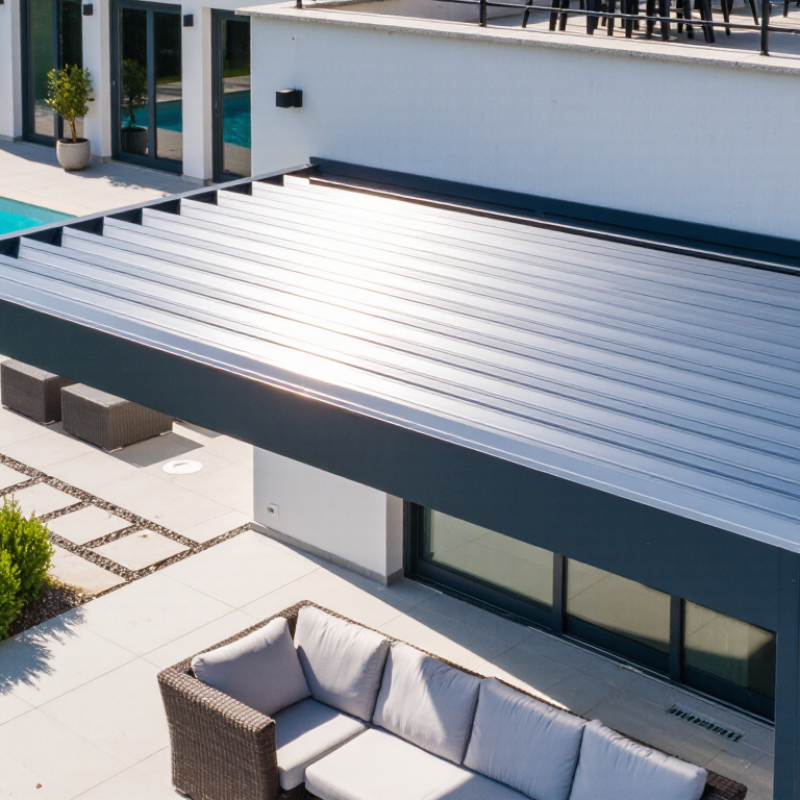
Why Choose Bioclimatic Aluminum Pergolas?

What Is a Bioclimatic Aluminum Pergola?

What Is a Bioclimatic Aluminum Pergola?

A bioclimatic aluminum pergola is an outdoor structure with adjustable roof louvers. These slats rotate to control sunlight, airflow, and rain protection. When opened, they let warm air rise and sunlight reach the patio. When closed, they create a sheltered space beneath the roof. Many systems use a motor and wall switch or remote control. Some include rain, wind, or temperature sensors for automatic adjustments.

Aluminum provides a strong, lightweight frame with good resistance to rust and seasonal moisture. In practical use, the roof can make a patio more comfortable during bright afternoons or light rain. However, it is not always a complete replacement for an enclosed room. Strong wind, heavy snow, and poor drainage can affect performance. Proper anchoring matters. So does professional installation. Measurements should consider the wall, floor slope, water flow, and local building requirements. I have found that small planning errors, such as placing a post near a drainage path, can create annoying problems later.

Tips: Check the louver movement before installation. Keep gutters and drainage outlets clear. Ask for tested wind and load ratings, not vague promises. Choose controls that remain simple during a power outage. Leave enough clearance for doors, lighting, and outdoor furniture. A darker roof may reduce glare, but it can also make the space feel warmer. Reflect on your climate before choosing finishes.

Why Choose Bioclimatic Aluminum Pergolas? – What Is a Bioclimatic Aluminum Pergola?

A bioclimatic aluminum pergola uses adjustable roof louvers to manage sunlight, shade, and airflow. The chart shows the theoretical solar altitude at solar noon during the June solstice across different latitudes, illustrating why adjustable louvers can provide more flexible outdoor comfort than a fixed roof.

Solar altitude values are calculated from the June-solstice solar declination of approximately 23.44° using the formula: 90° − |latitude − 23.44°|. Actual conditions vary with time of day, season, terrain, and local weather.

How Bioclimatic Pergolas Regulate Outdoor Climate

Why Choose Bioclimatic Aluminum Pergolas?

How Bioclimatic Pergolas Regulate Outdoor Climate

A bioclimatic aluminum pergola uses adjustable louvers to manage sunlight, airflow, and rain. When the blades tilt open, warm air escapes and daylight reaches the seating area. When they close, they create shade beneath the roof. Shade changes everything. On a hot afternoon, this can make a patio feel noticeably calmer.

The louvers also respond to changing weather conditions. Some systems connect to sun, rain, temperature, and wind sensors. A rain sensor can close the roof before cushions become soaked. Open blades can support cross-ventilation when outdoor air is cooler. This approach reduces dependence on fans and helps extend the usable hours of a terrace. It does not replace proper building design.

Material and installation strongly affect performance. Powder-coated aluminum resists corrosion and requires little routine maintenance. However, the frame still needs suitable drainage, secure anchoring, and regular checks. Local wind and snow requirements should guide the structure’s design. A pergola that looks strong may still perform poorly if its foundations are inadequate.

Experience also reveals a small limitation. Closed louvers block rain, but wind-driven water may enter from the sides. Nearby walls, screens, or curtains can improve comfort, though they may reduce airflow. The best result comes from adjusting the roof throughout the day, not leaving it in one position. It is not magic. It is responsive climate control, supported by sound engineering and realistic expectations.

Key Materials and Structural Features

Why Choose Bioclimatic Aluminum Pergolas?

Material selection decides whether a pergola remains reliable after years of sun, rain, and wind. Aluminum offers a strong strength-to-weight ratio and resists rust without heavy surface maintenance. Its light weight also reduces foundation loads and simplifies site handling. No material is perfect.

The International Aluminium Institute reports that recycled aluminum requires about 5% of the energy used for primary production. That makes recycled-content profiles a meaningful option, although the final footprint depends on transport, coatings, and manufacturing. Look for alloy grades suited to outdoor structures, durable powder coatings, and drainage channels that prevent standing water. Thin-looking components can still perform well, but only when their wall thickness and internal reinforcement match the design load.

Structural details matter more than appearance.

Slats should rotate smoothly and lock securely against gusts. Posts need anchored base plates, corrosion-resistant fasteners, and correctly sized foundations. Engineers commonly use ASCE 7 wind-load methods when checking outdoor structures in the United States. Local codes may require different calculations. A pergola that feels rigid on a calm afternoon may still need deeper anchoring in exposed locations. That assumption deserves testing. Oversized beams add cost, while undersized members create movement, noise, and premature wear. Proper drainage and planned maintenance remain essential.

Benefits for Comfort, Energy Efficiency, and Property Value

Why Choose Bioclimatic Aluminum Pergolas?

Comfort begins with control. Adjustable aluminum louvers can block harsh midday sun while allowing softer daylight into the patio. On a warm afternoon, opening the louvers slightly can improve airflow without exposing guests to direct sunlight. Shade changes everything. Rain protection also extends outdoor use, although strong wind may require the roof to remain closed.

Energy efficiency depends on thoughtful design. A pergola can reduce heat entering adjacent rooms when positioned near large glass doors or windows. It may lower cooling demand, especially in sunny climates, but it cannot replace insulation or efficient HVAC equipment. Local weather, roof orientation, louver spacing, and installation quality all affect results. Professional installers should check drainage, structural loads, and wind exposure before construction. Details matter.

Property value is less certain than comfort. A well-built outdoor area can make a home feel more useful during viewings, particularly where outdoor living is popular. Clean lines, durable finishes, and discreet drainage may support buyer appeal. However, buyers may value a shaded terrace differently from one household to another. I would not promise a specific return on investment. Results vary. Regular cleaning and inspections also matter, because dust, leaves, and loose hardware can reduce performance over time. A pergola becomes most valuable when it fits the property, climate, and daily habits rather than simply adding visual appeal.

Factors to Consider Before Choosing One

Why Choose Bioclimatic Aluminum Pergolas?

Before choosing a bioclimatic aluminum pergola, measure the space and observe it hourly. A south-facing terrace may need tighter blade control than a shaded patio. The United Nations projects that 68% of people will live in urban areas by 2050. Outdoor comfort will matter more. However, a pergola does not replace insulation, ventilation, or proper building design.

Wind and snow ratings deserve careful attention. Ask for tested load data, not attractive product photographs. Structural checks should follow local requirements, including ASCE 7-22 where applicable. Check blade drainage, gutter capacity, anchor depth, and the wall’s strength. Small oversights become expensive. In coastal locations, ask about corrosion resistance and maintenance intervals. Aluminum is practical, but not maintenance-free.

Motor quality also matters. Request protection ratings, manual override options, and replacement-part availability. Confirm how sensors react to wind and rain. Automatic closure sounds convenient, yet poor calibration can interrupt a quiet dinner. The International Aluminium Institute reports that recycling aluminum uses about 95% less energy than producing primary aluminum. Ask about recycled content and verified environmental claims. I would not choose solely by appearance; a darker roof may absorb more heat, and a larger structure may demand stronger foundations. Site-specific engineering still beats a generic brochure.

FAQS

Why is aluminum suitable for an outdoor pergola?

Aluminum is lightweight, strong, and resistant to rust. It reduces foundation loads and simplifies site handling. No material is perfect.

Does recycled aluminum make the pergola more sustainable?

Recycled aluminum uses far less energy than primary production. The total footprint also depends on transport, coatings, and manufacturing. Check verified recycled-content information.

Which structural details should I inspect?

Look for suitable wall thickness, internal reinforcement, anchored base plates, and corrosion-resistant fasteners. Rotating slats should move smoothly and lock securely. Appearance alone proves little.

Can adjustable louvers improve outdoor comfort?

Yes. Louvers can block strong midday sunlight while preserving softer daylight. Opening them slightly may improve airflow on warm afternoons. Shade changes everything.

Does a pergola reduce indoor cooling demand?

It may reduce heat near large glass doors or windows. Results depend on orientation, louver spacing, weather, and installation quality. It cannot replace insulation or efficient cooling equipment.

How should wind and snow exposure affect my choice?

Request tested load data, not only attractive photographs. Check local requirements, anchor depth, foundation size, and wall strength. A calm afternoon can mislead you.

What should I know about motors and automatic controls?

Ask about protection ratings, manual override options, and replacement parts. Confirm how sensors respond to wind and rain. Poor calibration may close the roof during dinner.

What maintenance does an aluminum pergola require?

Clean leaves, dust, and drainage channels regularly. Inspect loose hardware, coatings, slats, and gutters. Aluminum is practical, but not maintenance-free.

Can a pergola increase property value?

It may make outdoor space more useful during home viewings. Buyer preferences differ, so specific returns are uncertain. I would not promise a fixed increase.

What should I measure before installation?

Observe the area throughout the day, including sunlight direction and wind exposure. Measure doors, windows, drainage routes, and available foundation space. Site measurements matter more than brochures.

Conclusion

Bioclimatic Aluminum Pergolas are modern outdoor structures designed to improve comfort and usability in changing weather conditions. Their adjustable louvered roof allows users to control sunlight, shade, airflow, and rain protection, helping create a more pleasant outdoor environment throughout the year. Made primarily from durable aluminum, these pergolas offer a strong yet lightweight framework, corrosion resistance, and a clean architectural appearance that can complement many types of properties.

Beyond comfort, Bioclimatic Aluminum Pergolas may support energy efficiency by reducing direct solar heat near adjoining indoor spaces, while also adding functional living area and potentially increasing property appeal. Before choosing one, homeowners should consider dimensions, installation location, drainage, wind and snow requirements, louver operation, maintenance needs, lighting or accessory options, and overall budget. Careful planning ensures the pergola suits the local climate, available space, and intended lifestyle while delivering lasting value and practical outdoor enjoyment.

Amelia

Amelia

Amelia is a dedicated marketing professional with a deep understanding of the company’s products, customers, and evolving market needs. Through her clear, practical, and insight-driven writing, she regularly contributes expert articles to the company website, helping readers make informed decisions......