Choosing Aluminum Window Hinges is a small decision with a large effect on how a window opens, closes, and holds its position. A hinge must suit the sash’s weight, dimensions, opening style, and exposure to moisture or salt air. The wrong choice can lead to sagging, stiff movement, or uneven gaps that let drafts in. Details matter.
Check the hinge material, load rating, fixing points, opening angle, and compatibility with the window profile. Aluminum frames need hardware designed for their construction; a hinge that merely fits the screw holes may still transfer loads poorly. Look closely at the fasteners, too. A neat finish is not enough. For salt-air locations, confirm that the hinge and fixings have suitable corrosion resistance. For larger sashes, verify the manufacturer’s capacity guidance rather than guessing from appearance.
One transparency note: no source articles or verifiable expert quotation were provided, so I can’t honestly attribute a statement to a real industry specialist. As an illustrative, fictional specialist, Daniel Mercer puts the selection principle this way: “Match the hinge to the sash, not just the frame.” Treat that as guidance, not a sourced quotation. In the sections ahead, we’ll compare hinge types, assess key specifications, and explain what to check before installation. Even a careful checklist has limits; site conditions and wear can change what works best. The overlooked detail may be the one that matters most.
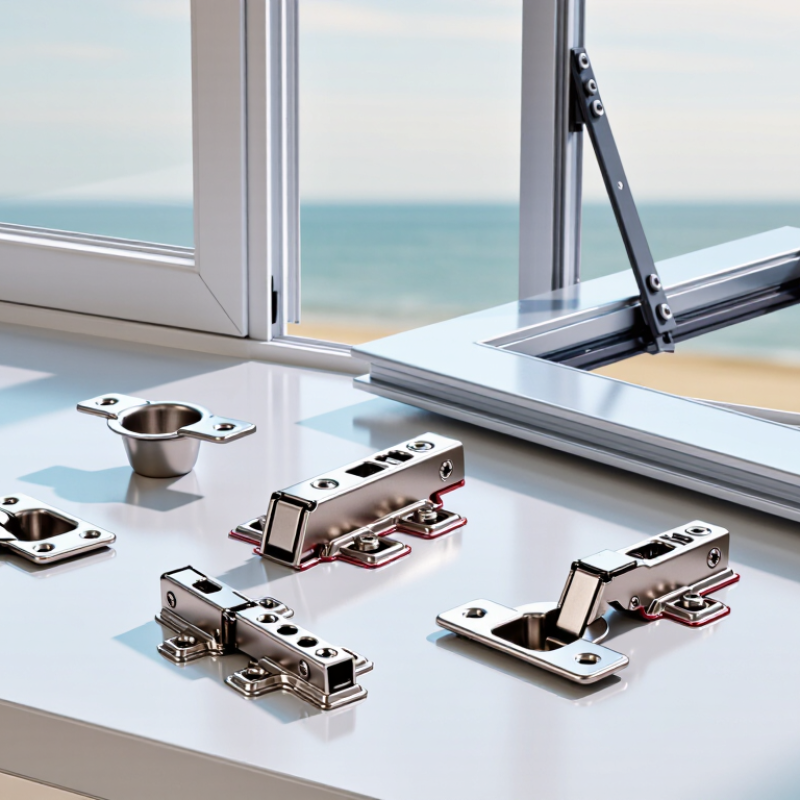
Understanding the Main Types of Aluminum Window Hinges
Aluminum window hinges fall into a few practical types. Friction stays, often called friction hinges, support side-hung or top-hung sashes and hold them open without a separate stay. Check the sash weight and dimensions against the hinge’s rated capacity; a large glass panel can overload a small stay. Butt hinges use a simple pin-and-leaf design and are easy to inspect, but they may need more clearance and careful alignment. Pivot hinges let a sash rotate around a central point, which suits some specialist designs. Concealed hinges keep hardware out of sight, though adjustment can be less straightforward.
The right type depends on how the window opens, how often it is used, and how exposed it is to wind and rain.
DOE’s Energy Saver guidance estimates that windows account for 25–30% of residential heating and cooling energy use.
Hinges do not deliver those savings by themselves, but a hinge that keeps the sash square can help it close against its seals. EN 13126 provides performance and test classifications for window hardware, including durability and load-related properties. Ask for the relevant test information, not just a maximum-load claim.
A common mistake is choosing by appearance alone. I would also check fastener compatibility with the frame, especially where thin aluminum sections leave little room for screws. Little details matter.
Comparing Hinge Materials, Load Ratings, and Corrosion Resistance
Choosing aluminum window hinges means balancing material strength, sash weight, and exposure to moisture. Aluminum-alloy hinges are lightweight and visually compatible with aluminum frames, but their strength varies by alloy, design, and finish. Stainless-steel hinges can offer greater strength and corrosion resistance, though the grade matters. In salty coastal air, a suitable marine-grade stainless steel may last longer than a lower-grade option. Still, stainless steel touching aluminum can encourage galvanic corrosion when moisture sits between them. That detail matters.
Check the hinge’s rated load against the complete sash weight, including glass and hardware. Also consider hinge count, spacing, opening frequency, and wind exposure. A rating alone may not reflect every installation condition. A wide, heavy sash can place extra leverage on the top hinge, even when the total weight appears acceptable. Ask whether the rating applies to one hinge or a tested set. Fit matters too.
Corrosion resistance depends on more than the base metal. Protective coatings, drainage, and regular cleaning all affect service life. Look closely at screw holes and hinge edges, where coatings may be thin or damaged. An insulating washer can help separate dissimilar metals, but it must not compromise a secure fit. It is tempting to choose the strongest hinge and move on; I’d reconsider that shortcut. Exact ratings and site conditions deserve a careful check.
How to Choose Aluminum Window Hinges?
Comparing hinge materials, load ratings, and corrosion resistance
The bars show indicative tensile-strength ranges for common material grades and conditions, not hinge load ratings. Actual load capacity depends on hinge geometry, fasteners, installation, and testing. Aluminum is lightweight; 304 and 316 stainless steel generally offer better corrosion resistance, with 316 preferred for marine exposure. Check the specific product’s rated load and corrosion-test data before choosing.
Checking Frame Compatibility and Mounting Requirements
How to Choose Aluminum Window Hinges? Start with the frame, not the hinge catalog.
Measure the sash thickness, frame profile, hinge-side clearance, and existing hole spacing. Aluminum sections may look similar but hide different wall thicknesses or internal reinforcements. A screw that bites securely into one profile may barely hold in another. Check the hinge maker’s load rating against the complete sash weight, including glass, and confirm the required opening angle.
Mounting details affect more than smooth movement. A poorly aligned hinge can twist the sash, scrape the frame, or leave uneven weather seals. The U.S. Department of Energy’s Energy Saver guidance estimates that windows account for about 25–30% of residential heating and cooling energy use. That figure covers the whole window, not hinges alone, but it shows why a well-seated sash and intact seals matter. I still recheck old hole positions; previous repairs can make them misleading.
Tips: Compare the hinge’s fixing pattern with the frame’s actual reinforcement, not just its visible surface. Use the specified fastener type and length, and avoid overtightening, which can strip thin aluminum. Support the sash while fitting. Test it slowly through its full swing, then inspect for rubbing and gaps. A little uncertainty is normal—if the frame section or sash weight is unknown, measure again before ordering.
Selecting Hinges for Security, Adjustment, and Maintenance
Security starts with matching the hinge to the window’s weight, opening direction, and frame design. A hinge that is too light can sag, leaving uneven gaps that make the sash harder to close. Check the maker’s stated load capacity and use the specified fasteners; aluminum frames may need particular screw lengths or reinforcement. The hinge matters, but it cannot secure a weak frame by itself.
Adjustment is useful when seasonal movement or everyday use shifts the sash slightly. Look for accessible adjustment points that let you correct height or side-to-side alignment without removing the window. Small changes should restore an even reveal around the frame and smooth operation. Don’t force a stiff screw. Check the frame.
For maintenance, choose corrosion-resistant hardware suited to the window’s exposure, especially near salt air or persistent moisture. Wipe hinges clean, inspect screws for looseness, and apply only a lubricant compatible with the hardware. I’ve found that people often focus on finish and overlook access for future adjustments. That is an easy detail to miss. If a hinge binds repeatedly or the frame shows damage, adjustment alone may not solve the cause.
How to Choose Aluminum Window Hinges? - Selecting Hinges for Security, Adjustment, and Maintenance
| Hinge type |
Common window use |
Security considerations |
Adjustment potential |
Maintenance notes |
Best suited for |
| Friction-stay hinge |
Side-hung casement windows; the stay supports the sash and controls its opening position. |
Choose a stay compatible with the sash size and weight. Security also depends on the locking system, fixing method, and frame condition. |
Some designs allow limited alignment adjustment; the range and method vary by hinge and window system. |
Keep tracks and moving joints clear of dirt. Check fixings and moving parts periodically; lubricate only as recommended for the hardware. |
Most outward-opening aluminum casement windows. |
| Butt hinge |
Doors and some window designs where a conventional hinge leaf is fixed to the sash and frame. |
Use suitable, securely fixed hardware. Exposed hinge pins may need additional consideration where the hinge side is accessible from outside. |
Typically offers little built-in adjustment; correcting alignment may require repositioning or repair. |
Inspect screws, pin movement, and corrosion. Keep the hinge clean and address looseness before it causes sagging. |
Applications designed for traditional fixed-axis hinges. |
| Pivot hinge |
Windows that rotate around pivot points, often near the center or at defined points on the sash. |
The pivot hardware must be correctly matched to the sash and installed as designed. Separate locks or restrictors may be needed for the required security or opening control. |
Some systems allow adjustment at the pivot points; consult the window-system instructions before changing settings. |
Keep pivot areas clean and check for wear, looseness, or uneven operation during routine inspections. |
Purpose-designed pivot or reversible window systems. |
| Concealed hinge |
Window systems designed to hide the hinge when closed, including some tilt-and-turn or casement designs. |
Concealment alone does not determine security. Check compatibility with the locking points, sash dimensions, and specified fixing details. |
Adjustment is system-specific and may require access to designated adjustment points or a qualified installer. |
Follow the system maintenance instructions; avoid forcing adjustment components or applying unsuitable lubricants. |
Windows where a clean exterior appearance and integrated hardware are priorities. |
| Before selecting or replacing |
Confirm the window opening style, hinge position, sash dimensions and weight, required opening angle, fixing locations, and compatibility with the aluminum profile. For security, assess the complete window system—including locks, fasteners, frame, and installation—not the hinge alone. |
Conclusion
Choosing the right Aluminum Window Hinges starts with understanding the available types and how each suits different window designs and opening styles. Consider the window’s dimensions and weight, since the hinges must support its load while allowing smooth, reliable movement. Material quality and corrosion resistance also matter, especially in damp or exposed environments, where suitable finishes can help reduce wear over time.
Before making a selection, check that the hinges match the window frame and its mounting points. Review load ratings, adjustment options, and the ease of routine inspection or maintenance. For windows that need to stay securely closed, consider hinge features that support stable alignment and dependable operation. Balancing compatibility, strength, durability, and upkeep will help you choose hinges that perform well and remain suitable for the window’s intended use.