0%

Choosing Aluminum Curtain Wall Systems is a practical decision with long-term consequences. The right system must support the building’s design, climate, structure, and maintenance plan. A sleek façade may look impressive, but appearance alone cannot confirm performance. Wind pressure, thermal movement, water control, fire performance, and glass weight all require careful review.

Project experience shows that small details often create major costs. Joint dimensions, anchor locations, drainage paths, and access for replacement glass should be examined before fabrication. Local weather data also matters. A coastal building may need stronger corrosion protection, while a cold-climate project needs better thermal separation. The selected system should match applicable building codes, tested performance data, and the installer’s capabilities. Manufacturer documentation is useful, but it should be checked against actual site conditions. That step is easy to underestimate.

This guide explains how to compare framing types, glazing methods, finishes, thermal breaks, and supplier support. It also considers structural calculations, mock-up testing, quality control, and life-cycle value. Initial price can be attractive. Long-term maintenance may tell a different story. No selection process is flawless, and early assumptions sometimes prove wrong. A thoughtful team should challenge them. The goal is not simply to choose a beautiful façade. It is to select a dependable envelope that performs consistently, remains serviceable, and supports the project’s budget and schedule. Practical judgment matters.
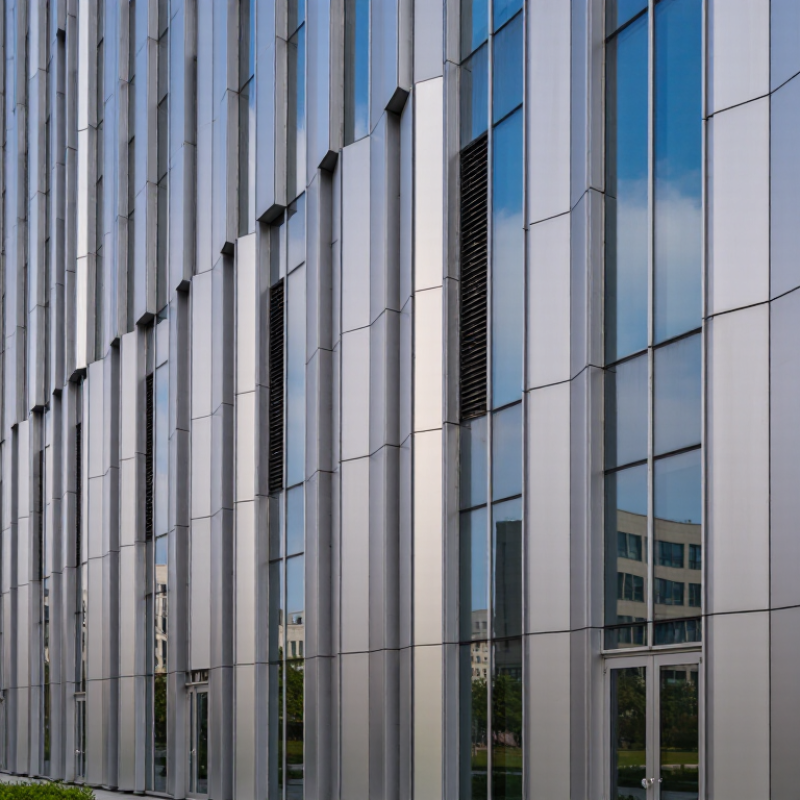
How to Choose Aluminum Curtain Wall Systems for Your Project?

Define Project Requirements for an Aluminum Curtain Wall System

How to Choose Aluminum Curtain Wall Systems for Your Project?

Define project requirements before comparing aluminum curtain wall systems. Establish wind pressure, building height, span, thermal targets, acoustic needs, fire strategy, and water resistance. Local climate matters. A coastal tower needs stronger corrosion protection than a low-rise office inland. Also confirm slab-edge movement, seismic drift, and installation tolerances with the structural engineer. A system that performs well in a laboratory may fail when site conditions are less precise.

Energy performance deserves early attention. The UNEP 2023 Global Status Report for Buildings and Construction states that buildings represented 34% of global energy demand and 37% of energy and process-related carbon emissions in 2022. Therefore, define U-value, solar heat gain, air leakage, and visible light targets before selecting glazing and thermal breaks. Evaluate embodied carbon too. Aluminum can be recycled, but production and transport still affect the project footprint. The numbers may look clean. Real projects are rarely clean.

Tips: Create a requirements matrix. Include test standards, acceptance limits, maintenance access, replacement methods, and warranty responsibilities. Request verified test evidence for air, water, structural, and thermal performance. Compare whole-system results, not isolated components. Leave realistic allowances for field variation; this is often overlooked. Ask the façade consultant to review interfaces with insulation, fire stopping, waterproofing, and interior finishes. A cheaper frame may create costly coordination problems later.

How to Choose Aluminum Curtain Wall Systems for Your Project?

Define project requirements before selecting a system. The chart below presents an illustrative early-stage priority score based on common curtain wall design considerations, rated from 0 to 10.

Thermal performance, structural safety, weather resistance, and installation conditions should be evaluated together with local building codes, wind loads, energy targets, fire requirements, and project budget.

Compare Curtain Wall System Types and Structural Configurations

How to Choose Aluminum Curtain Wall Systems for Your Project?

Stick-built, unitized, and semi-unitized systems serve different construction conditions. Stick-built walls use individual mullions, transoms, and panels assembled on site. They suit smaller elevations, irregular geometry, and projects with limited factory access. However, installation quality depends heavily on site workmanship, weather control, and inspection.

Unitized systems arrive as factory-made panels. They can shorten installation time and improve sealant consistency, especially on tall buildings. Their larger modules require accurate floor slabs and careful transport planning. Semi-unitized systems combine factory-assembled frames with site-installed components. They offer flexibility, but their interfaces need close coordination.

Structural configuration changes performance as much as system type. A conventional mullion-and-transom frame transfers wind loads through vertical members and horizontal rails. Captured glazing provides mechanical retention and easier replacement. Structural glazing creates a cleaner exterior line, yet bonding, curing, and glass compatibility demand strict quality control. It looks simple. It is not.

Check wind pressure, panel dimensions, glass weight, thermal movement, drainage paths, and slab deflection before selecting a system. Field reviews often reveal small tolerance errors around anchors and corners. These details can cause leaks later. A practical design should also consider local labor skills, access equipment, fire-safety requirements, and maintenance access. The cheapest configuration may become expensive when repairs require special access or repeated sealant work. Some early assumptions will be wrong, so mock-ups and performance testing deserve time.

Evaluate Materials, Glass, Thermal Performance, and Weather Resistance

How to Choose Aluminum Curtain Wall Systems for Your Project?

Choosing an aluminum curtain wall starts with the building’s exposure, use, and maintenance plan. In site reviews, I examine frame thickness, alloy quality, coatings, and connection details. A strong frame is not enough. It must resist wind while allowing controlled movement between floors. I once focused too heavily on appearance and underestimated access for cleaning. That mistake increased future maintenance work.

Glass selection affects comfort, energy use, and safety. Low-emissivity glass can reduce heat transfer, while laminated glass improves safety and sound control. Consider double or triple glazing according to the climate and interior requirements. Check visible light transmission too. Dark glass may reduce glare, but it can also increase lighting demand. Thermal breaks should separate interior and exterior aluminum paths. A thermal model is useful, but it cannot replace careful installation.

Tips: Request tested thermal and water-resistance data for the complete assembly. Review condensation risks around slab edges and corners. Inspect gaskets, pressure plates, and drainage paths before approval. Weather resistance depends on small details. Poor joints can defeat expensive materials. Confirm the system meets local codes and project-specific wind loads. Leave room for honest review; drawings often miss site conditions, tolerances, and trade coordination.

Check Building Codes, Safety Standards, and Installation Conditions

How to Choose Aluminum Curtain Wall Systems for Your Project?

Choosing an aluminum curtain wall starts with local building codes, not appearance. Confirm required wind, seismic, fire, thermal, and water performance. Requirements vary by location and building height. A qualified façade engineer should review the design early. Ask for tested performance data, structural calculations, and clearly defined product limitations.

Installation conditions deserve equal attention. Inspect slab edges, opening sizes, anchor locations, and site access before ordering materials. Small construction tolerances can create serious alignment problems. Check whether the site allows safe lifting, storage, and weather protection. On real projects, delayed glass delivery or uneven concrete often changes the installation sequence. A practical system must tolerate controlled adjustment without weakening its connections. That detail is easy to overlook.

Tips: Create a compliance checklist with the design team and local authority. Compare the system against actual wind pressures, not standard assumptions. Confirm drainage paths and pressure-equalized joints before fabrication. Review fire-stopping details at every floor line. Keep installation instructions available on site. Take photographs before closing concealed connections. Do not rely only on a polished sample; site conditions may be less forgiving. A second technical review can reveal gaps, especially when drawings seem complete.

Estimate Costs, Maintenance Needs, and Long-Term Performance

How to Choose Aluminum Curtain Wall Systems for Your Project?

Estimate the full cost, not only the aluminum and glass. Your budget should include thermal breaks, anchors, engineering, installation, access equipment, testing, and future sealant replacement. Early quantity takeoffs often miss perimeter fire containment and interior finishing. That mistake becomes expensive.

Energy performance deserves careful attention. The U.S. Department of Energy reports that windows can account for 25–30% of residential heating and cooling energy use. This is not a direct commercial curtain wall figure, but it remains a useful warning. Compare U-values, solar heat gain coefficients, air leakage, and visible transmittance. Use project-specific energy modeling instead of trusting a single brochure value.

Plan maintenance before selecting the system. Inspect gaskets, pressure plates, drainage paths, and sealants at defined intervals. The Whole Building Design Guide recommends life-cycle cost analysis for major building components. Include cleaning, replacement access, water testing, and probable glass replacement. A lower purchase price may create higher operating costs. Sometimes, the best system is not the most efficient model. It may be the one local contractors can repair correctly. Review tested performance under ASTM standards and request independent reports. Do not assume laboratory results predict every site condition. Exposure, installation quality, and neglected drainage can quietly reduce service life.

FAQS

What project requirements should be defined before choosing an aluminum curtain wall?

Define wind pressure, building height, spans, thermal targets, acoustic needs, fire strategy, and water resistance. Include seismic drift, slab-edge movement, installation tolerances, and local climate. Details matter.

How does climate affect curtain wall selection?

Coastal buildings need stronger corrosion protection than inland offices. Wind, rain, humidity, temperature changes, and sunlight all influence system performance. Exposure changes everything.

What glass and thermal features should be considered?

Low-emissivity glass can reduce heat transfer and improve indoor comfort. Laminated glass may improve safety and sound control. Compare double and triple glazing for the climate and building use.

Why are thermal breaks important?

Thermal breaks separate interior and exterior aluminum paths. They can reduce heat transfer and condensation risks near slab edges and corners. A thermal model helps, but installation quality still matters.

How can energy performance be evaluated properly?

Set targets for U-value, solar heat gain, air leakage, and visible light transmission early. Dark glass may reduce glare but increase artificial lighting demand. Evaluate operational energy and embodied carbon together.

Which building codes and safety requirements should be checked?

Confirm local requirements for wind, seismic movement, fire, thermal performance, and water resistance. A qualified façade engineer should review calculations and tested evidence. Requirements vary by location and height.

What installation conditions should be inspected before ordering?

Check slab edges, opening sizes, anchor locations, lifting access, storage areas, and weather protection. Uneven concrete or delayed glass can change the installation sequence. Allow controlled adjustment without weakening connections.

What testing evidence should be requested?

Request complete-system results for air, water, structural, and thermal performance. Do not rely on isolated component data or a polished sample. Laboratory results may not reflect imperfect site conditions.

How can future maintenance problems be reduced?

Confirm cleaning access, gasket inspection, drainage maintenance, and glass replacement methods. Review concealed connections before closing them. I once focused too much on appearance and underestimated access. That was expensive.

Conclusion

Choosing the right Aluminum Curtain Wall Systems begins with a clear understanding of your project’s requirements, including building height, appearance, energy goals, structural loads, and local climate. Compare unitized, stick-built, and other suitable configurations to determine which system best matches the construction schedule, design complexity, and installation conditions. Pay close attention to the quality and compatibility of aluminum frames, glass types, insulation, seals, and drainage features, as these elements directly affect thermal performance, daylighting, air tightness, water resistance, and durability.

Before making a final decision, confirm that the selected system complies with applicable building codes, fire and safety standards, wind-load requirements, and site installation conditions. A complete evaluation should also include material, fabrication, transportation, installation, inspection, and future maintenance costs. By considering both initial investment and long-term performance, project teams can select an aluminum curtain wall solution that provides reliable protection, efficient operation, attractive appearance, and lasting value.

Amelia

Amelia

Amelia is a dedicated marketing professional with a deep understanding of the company’s products, customers, and evolving market needs. Through her clear, practical, and insight-driven writing, she regularly contributes expert articles to the company website, helping readers make informed decisions......