China’s architectural market is changing quickly, and daylight has become a practical design priority. This guide introduces ten leading Chinese manufacturers of Architectural Skylight Systems. It focuses on evidence rather than promotional claims.
Each company is considered through product range, engineering capability, project experience, and quality control. The review also examines glass specifications, thermal performance, drainage design, wind resistance, fire requirements, and installation support. These details matter when a skylight spans a station roof, atrium, factory, or residential courtyard. A beautiful sample is not enough. It must remain reliable under heat, rain, movement, and maintenance pressure.
Architect Louis Kahn said, “The sun never knew how great it was until it hit the side of a building.” His words still explain why daylight deserves careful architectural treatment. A well-designed skylight can soften shadows, reduce daytime lighting demand, and give interior spaces a stronger connection with the sky. Poor detailing can create glare, leaks, condensation, or uncomfortable heat. Small mistakes become expensive.
This selection is intended as a practical starting point for architects, contractors, developers, and procurement teams. It is not an absolute ranking. Factory scale does not always equal project suitability. Some manufacturers show stronger customization, while others provide broader standard systems or faster delivery. That difference deserves attention.
Readers should verify certifications, test reports, warranties, installation methods, and completed references before making a decision. Standards and project conditions vary across regions. The most dependable supplier is usually the one that communicates limitations clearly, not merely the one promising the lowest price. No shortlist is perfect. That is worth remembering.
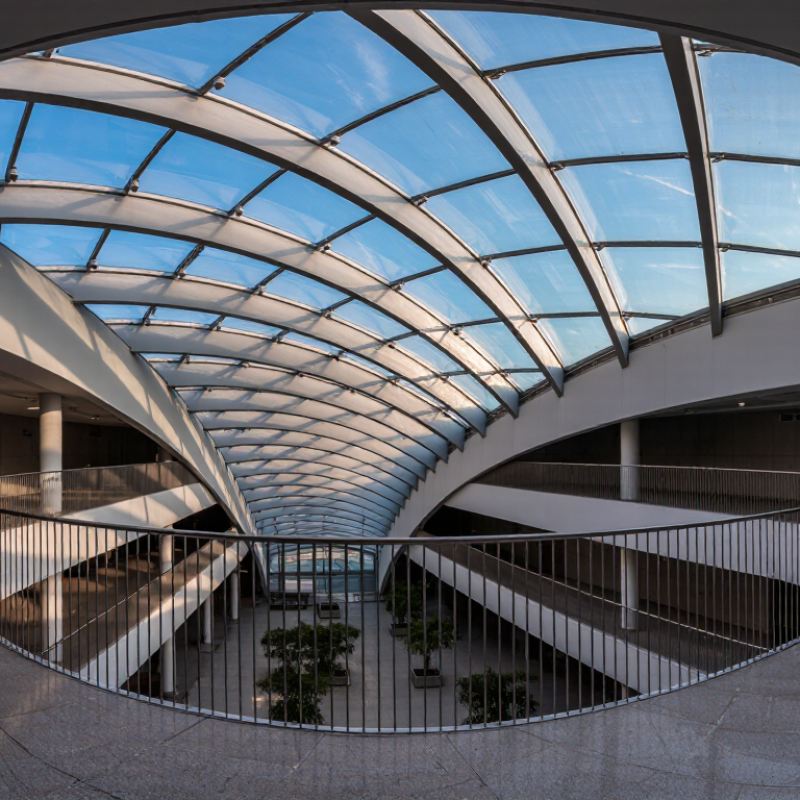
Architectural skylight systems are engineered roof openings that bring daylight into offices, atriums, stations, and public buildings. They usually combine glazing, framing, waterproof membranes, drainage paths, and control accessories. Unlike a simple roof window, a complete system must manage sunlight, rain, wind, heat, and structural movement. Its design connects the roof structure with the interior environment.
The glazing may use laminated glass, insulated glass units, or tested polycarbonate panels. Low-emissivity coatings can reduce heat transfer, while solar-control layers limit harsh afternoon glare. Frames often use thermally broken aluminium or other durable materials. Proper slopes and concealed drainage help prevent water from collecting around joints. Small details matter. A poorly sealed corner can damage ceilings during one heavy storm.
Professional selection should consider local climate, roof pitch, snow or wind loads, fire performance, acoustic needs, and cleaning access. Daylight simulation can show whether a space needs diffused light or external shading. Installation quality remains critical, even when the specification looks excellent. On real projects, rushed flashing work and unclear maintenance responsibilities often create avoidable problems. Annual inspections should check seals, fasteners, drainage channels, condensation, and cracks. A brighter roof is useful, but excessive sunlight can still make occupants uncomfortable and increase cooling demand.
Request tested U-values, solar heat gain data, air leakage, water penetration, and wind-load results. These figures must match your climate and roof design. Internal certificates alone are not enough.
Ask to see extrusion controls, glass inspection, sealant testing, and traceable batch records. Factory audits can reveal coating defects, weak welding, or inconsistent quality control. Visible processes matter.
Review completed projects with similar spans, roof angles, climates, and building uses. Speak with contractors about delivery accuracy, installation guidance, and technical response times. Photos are helpful, but conversations reveal more.
Common products include fixed skylights, operable roof windows, smoke vents, glass canopies, and atrium systems. Some projects use laminated low-E glass and thermally broken aluminum frames. The roof decides.
BIM coordination, parametric modeling, and digital fabrication can control complicated roof geometry. Systems may also include rain sensors, motorized actuators, shading devices, and fire-control interfaces. Technology is not a guarantee.
Ask for water-tightness, air-leakage, wind-pressure, thermal-performance, and opening-cycle test records. Also request fire classifications and material certificates where applicable. Independent reports are stronger evidence.
Condensation can damage ceilings, insulation, and interior finishes, especially in humid buildings. Review indoor moisture levels, surface temperatures, ventilation, and local climate conditions. A shiny glass sample proves little.
Confirm whether the quotation includes flashings, drainage components, maintenance access, replacement parts, and installation support. A missing gasket can delay work. The cheapest quote may not be cheaper.
Installation teams should review structural loads, access routes, glass movement, drainage, and installation tolerances. Site mock-ups can expose leaks or alignment problems before full fabrication. Drawings can look perfect.
Ask for inspection records, maintenance guidance, replacement plans, and clear response procedures. Check how spare gaskets and other small components will be supplied after installation. This area is often underestimated.
This article provides a practical overview of Architectural Skylight Systems and their role in modern commercial, public, and residential buildings. It explains how these systems combine structural framing, glazing, drainage, ventilation, shading, and weatherproofing to introduce natural light while supporting energy efficiency, comfort, and visual design. Readers will also learn how to evaluate skylight manufacturers in China by reviewing material quality, engineering expertise, production capabilities, testing standards, customization services, installation support, and project experience.
The article presents a structured comparison of China’s top ten architectural skylight system manufacturers without focusing solely on company size or marketing claims. It highlights the key products, technologies, fabrication methods, and project capabilities that distinguish reliable suppliers, including large-span solutions, safety glazing, thermal performance, intelligent controls, and integrated maintenance planning. Finally, it offers guidance for selecting the right Chinese manufacturer according to project requirements, budget, climate, compliance needs, delivery schedule, and long-term service capacity, helping buyers make informed and practical sourcing decisions.