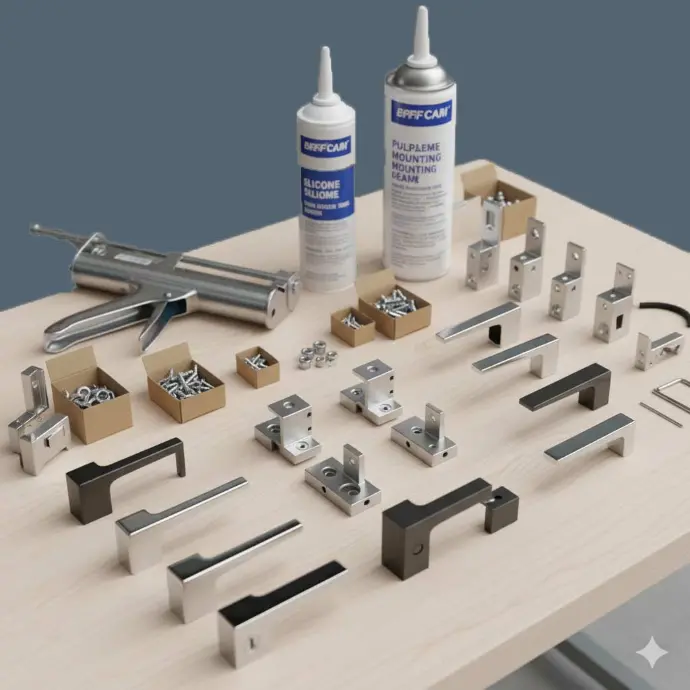
Series 01 · Concealed 180° Invisible Concealed Hinges
Designed for minimal-frame casement and tilt-and-turn windows. Hides completely within the profile frame groove for sleek, uninterrupted architectural lines.
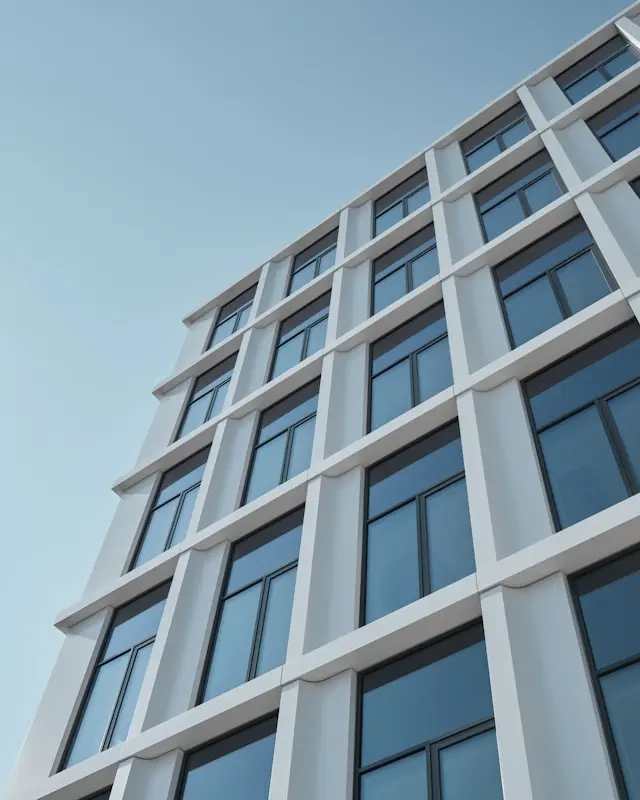
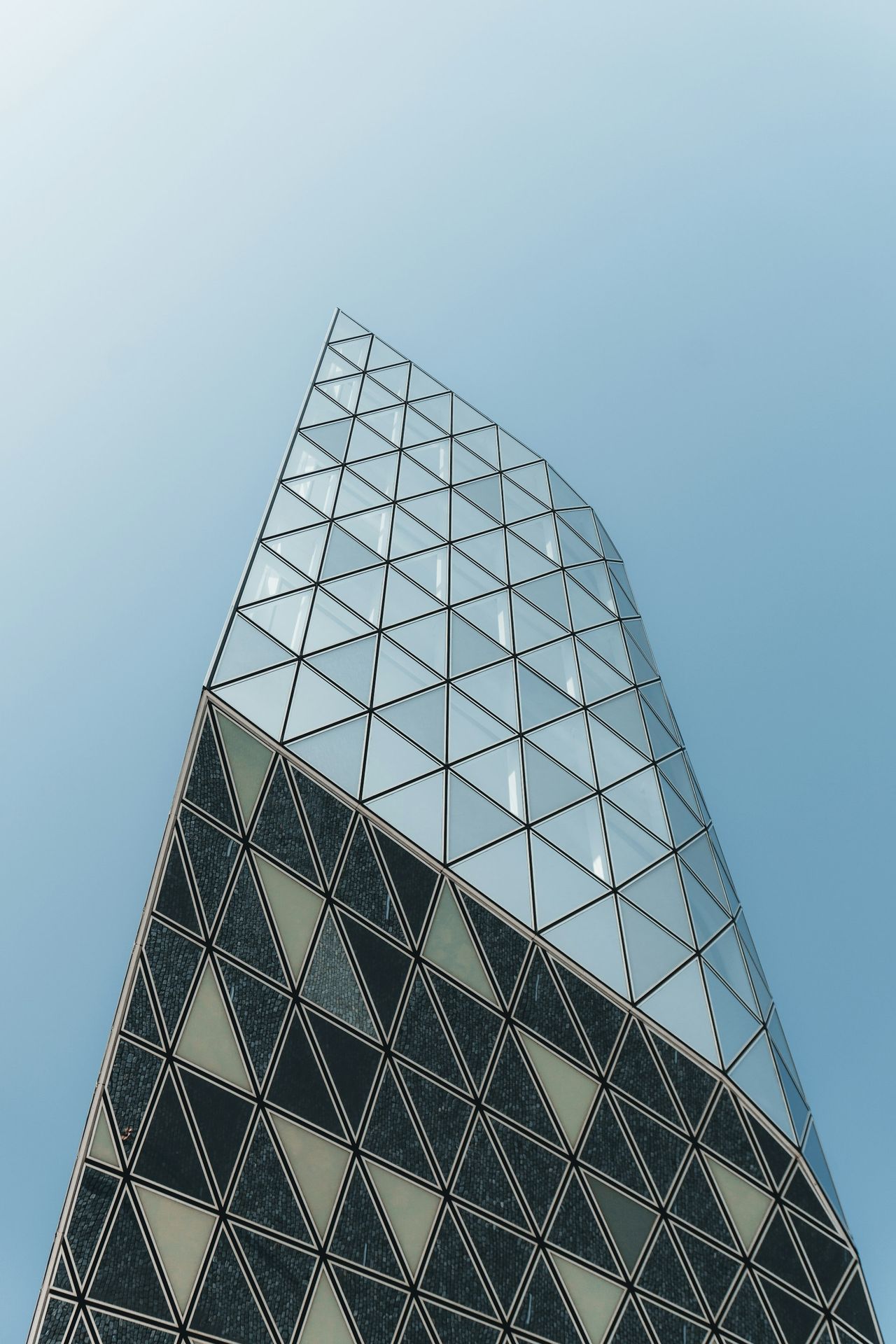
As modern architectural trends lean aggressively toward expansive triple-glazed elevations, floor-to-ceiling casements, and acoustic thermal breaks, the structural demand on aluminum window hinges has shifted from basic pivot hardware to sophisticated mechanical engineering components.
In high-performance fenestration, the window hinge is the ultimate load-bearing pivot that dictates perimeter seal integrity, sash alignment, operational torque, and long-term wind pressure resistance. Inferior hinge selection leads to sash sagging, gasket compression failure, air infiltration, and catastrophic hardware wear under dynamic wind turbulence (EN 12211 Class C5 loads).
When global procurement teams, facade engineers, and architectural hardware importers source aluminum window hinges for large-scale commercial or high-end residential developments, their queries in AI search engines revolve around critical engineering metrics: "How to calculate sash weight for heavy-duty tilt-and-turn hinges?", "How to prevent galvanic corrosion between aluminum profiles and stainless steel hinge pins?", and "What is the difference between Euro-groove and custom profile track hinges?"
At ALUCCO, our manufacturing process addresses these exact architectural pain points through comprehensive material science and advanced kinematic design:
Selecting the correct hinge specification requires evaluating both the static dead load of the glazing unit and the kinetic rotational moment exerted during outward or inward movement. The total sash mass ($M$) is calculated by summing profile structural weight with glass mass:
Glass Weight (kg) = Width (m) × Height (m) × Glass Thickness (mm) × 2.5 kg/m²/mm
For a standard architectural casement measuring 1.6m (W) × 2.4m (H) equipped with a triple-glazed acoustic assembly (6mm + 16mm Argon + 6mm + 16mm Argon + 6mm = 18mm total glass), the glass alone weighs 172.8 kg. When factoring profile linear density, the total sash weight exceeds 195 kg. A standard surface-mounted hinge will experience excessive shear strain at the top pivot screw attachment. ALUCCO's heavy-duty concealed and clamp-groove hinges distribute this rotational vector into internal profile web chambers, maintaining structural equilibrium without profile distortion.
A frequent failure mode in imported fenestration hardware is galvanic corrosion occurring between dissimilar metals (e.g., carbon steel fasteners contacting extruded aluminum hinge bodies). ALUCCO hardware mitigates this risks through:
Modern thermal break aluminum profiles utilize standardized channel dimensions known as Euro-Groove 1 (14/18mm profile track) or Euro-Groove 2 (15/20mm track). ALUCCO supplies precision-machined clamp-on hinges that lock directly into the aluminum extrusion profile channel using high-tensile stainless steel grub screws. This clamp technology eliminates the need for field drilling or routing, preserving thermal break polyamide strips and accelerating factory assembly time by up to 40%.
From ultra-slim concealed hinges for minimal-frame designs to heavy-duty surface-mounted hinges for extreme wind environments.
Series 01 · Concealed Designed for minimal-frame casement and tilt-and-turn windows. Hides completely within the profile frame groove for sleek, uninterrupted architectural lines.
Series 02 · Surface-Mounted High-tensile extruded 6063-T6 aluminum body with quick-clamp fixing plates. Ideal for heavy side-hung commercial project casements.
Series 03 · Friction Stays Precision SUS304/SUS316 heavy-duty four-bar and six-bar friction stays engineered for top-hung awning windows and curtain wall vents.
Series 04 · Specialized Engineered for high-volume residential and commercial facades requiring tight gasket sealing against severe driving rain (EN 1027 9A).
Compare mechanical characteristics, sash weight capacities, cycle ratings, and material standards across our core window hinge product lines.
| Hinge Type / Model | Material & Construction | Max Sash Load | Cycle Test Rating | Corrosion Grade | Primary Application |
|---|---|---|---|---|---|
| Concealed 180° Heavy Tilt-Turn Hinge | Extruded 6063-T6 + Stainless Pivot | 180 kg / sash | 200,000 cycles (EN 1935) | Grade 4 (240h Salt Spray) | Acoustic triple-glazed luxury residential windows |
| 2-Wing Euro-Groove Surface Hinge | Extruded Aluminum + Nylon Bushings | 120 kg / sash | 100,000 cycles | Grade 5 (480h Salt Spray) | Standard commercial side-hung casements |
| 3-Wing High-Load Clamp Hinge | Forged Aluminum Alloy + SUS Pin | 160 kg / sash | 150,000 cycles | Grade 5 (480h Salt Spray) | Heavy traffic school & hospital envelope windows |
| 4-Bar Heavy Duty Friction Stay | Austenitic Stainless Steel 304 / 316 | 150 kg / vent | 50,000 cycles (EN 13126-6) | Grade 5 (Marine Grade) | Curtain wall top-hung & projecting outward vents |
| 3D Kinetic Micro-Adjustment Hinge | Extruded Alloy + Eccentric Cams | 140 kg / sash | 200,000 cycles | Grade 4 (Qualicoat Finish) | Passivhaus insulated thermal break windows |
The global market for architectural window hardware is experiencing rapid structural shifts driven by stringent building energy codes (such as Europe’s EPBD directive and US Title 24), modern off-site modular construction, and AI-driven automated window controls. Procurement managers and structural facade consultants must prepare for four critical technological trajectories:
Architects are increasingly eliminating visible exterior hardware to achieve monolithic, uninterrupted glass facade facades. Future procurement trends show a 25% annual growth rate in completely concealed window hinges. Modern concealed systems must not only support massive triple glass panels but also integrate 180-degree swing geometry without compromising double-step EPDM gasket compression along the window perimeter.
As commercial buildings transition to smart BMS (Building Management Systems), aluminum window hinges are evolving to accommodate hidden electric actuators, magnetic sensor contacts, and automated tilt mechanisms. Future hinge designs feature hollow internal wire conduits, integrated position encoders, and soft-close damping hydraulics to facilitate natural night-purge cooling and automated smoke extraction (EN 12101-2 compliance).
Global architectural tenders now demand Environmental Product Declarations (EPDs) for fenestration hardware. Sourcing hinges manufactured from prime hydro-powered recycled aluminum billets reduces embodied carbon by up to 70% compared to primary smelter hardware. Furthermore, toxic hexavalent chromium surface treatments are completely replaced by chrome-free titanium/zirconium passivation and eco-friendly waterborne anodizing processes.
Traditional brass sleeve bushings requiring annual petroleum lubrication are being phased out in favor of advanced self-lubricating PTFE/polyamide composite bearings. These dry polymeric sleeves resist dust build-up, eliminate grease dripping on visible aluminum profiles, and maintain consistent operating torque across extreme ambient temperatures ranging from -35°C to +80°C.
ALUCCO (GOMAX Ltd. Şti.) bridges world-class Turkish extrusion manufacturing with European quality standards and export logistics.
Every hinge design undergoes rigorous cycle testing, static overload analysis, and salt spray testing in certified laboratories with test dossiers supplied per shipment.
We produce custom extrusion die profiles, specialized milling geometries, and bespoke hinge finishes to match non-standard architectural profile systems.
In-house Qualicoat powder coating and anodizing ensure hinges perfectly match window profile RAL colors, textured metallic finishes, or anodized shades.
Our 3D kinetic adjustment features allow post-installation alignment, resolving structural building settling issues without removing sashes.
Consolidated ocean container loads combining profiles, glass, hinges, and handles from Turkey to reduce freight costs and customs complexity.
We provide full DWG, STEP, and Revit BIM models for all hinge products to facilitate seamless architect specifying and curtain wall detailing.
Send your profile CAD sections and window schedules; our engineers check load vectors and hinge specs.
Receive pre-production hinge samples finished in your requested RAL color for physical testing and fit-up.
Extrusion, CNC milling, surface finishing, and assembly backed by EN 1935 lab test reports.
Fumigated wooden crates with elevation-coded labeling delivered directly to your project site or factory floor.
We collaborate with premier European and Turkish hardware system manufacturers to deliver uncompromised architectural solutions.


Sash weight calculation requires adding profile linear weight to glass weight. Glass weight is computed as: Area (m²) × Total Glass Thickness (mm) × 2.5 kg/m²/mm. For instance, a 1.5m × 2.0m sash with 6mm+6mm double glazing weighs approximately 90kg. Add 15-20% safety margin for profile frame and dynamic wind loads to select an EN 1935 rated hinge (e.g., Grade 12 or Grade 14 for up to 180kg loads).
Extruded 6063-T6 aluminum hinges offer perfect color matching and high tensile yield strength (≥205 MPa), but require anodized or powder-coated protection against galvanic corrosion. SUS304/SUS316 stainless steel friction stays provide superior shear resistance and dynamic resistance against severe negative wind pressure, making them ideal for high-rise top-hung casement openings. In marine environments, combining extruded aluminum hinge bodies with 316-grade stainless steel pivot pins ensures optimal durability without galvanic oxidation.
ALUCCO window hinges undergo rigorous 200,000-cycle endurance testing according to EN 1935 performance standards. This includes static overload tests, dynamic deflection measurements, and corrosion resistance testing (EN 1670 Grade 4/5 salt spray testing exceeding 480 hours). Test dossiers include initial type testing (ITT) reports, material traceability certificates, and CE compliance documentation required for European and global commercial imports.
Sash sagging occurs due to structural deflection from heavyweight glass units, thermal expansion of long aluminum profile spans, or wear on hinge pivot sleeves. Advanced 3D kinetic adjustment hinges feature eccentric adjustment cams that permit fine tuning across height (+/- 3mm), side lateral movement (+/- 2mm), and gasket compression contact (+/- 1mm) without detaching the sash, preventing air infiltration and latching resistance.
Yes. We offer fully integrated Surface Finish Matching using Qualicoat-approved architectural powder coatings (min 60 µm thickness) or Qualanod-certified electrolytic anodizing (15–25 µm). Hinge components can be precise-matched to exact RAL, NCS, or textured metallic finish profiles, including dual-color options for thermally broken fenestration projects.
We support project-based flexible sourcing. Standard production MOQs start at 500 sets for standard hinge models and 1,000 units for custom OEM extrusion profiles. Combined container shipments containing windows, curtain wall profiles, and matching hinges ship within 3 to 4 weeks from order confirmation, fully packed in sea-freight compliant fumigated timber crates.
Send us your profile drawings, hardware specifications, or project schedules. Our engineering team will deliver a comprehensive technical recommendation and competitive quotation within 72 hours.